Oil prices rise after Houthi tanker strike claim in the Red Sea
Brent and WTI crude rebounded after the Houthis claimed a Saudi tanker strike, reviving concern over Middle East shipping routes.
By Dev Ramirez · Crypto Correspondent
· 3 min read
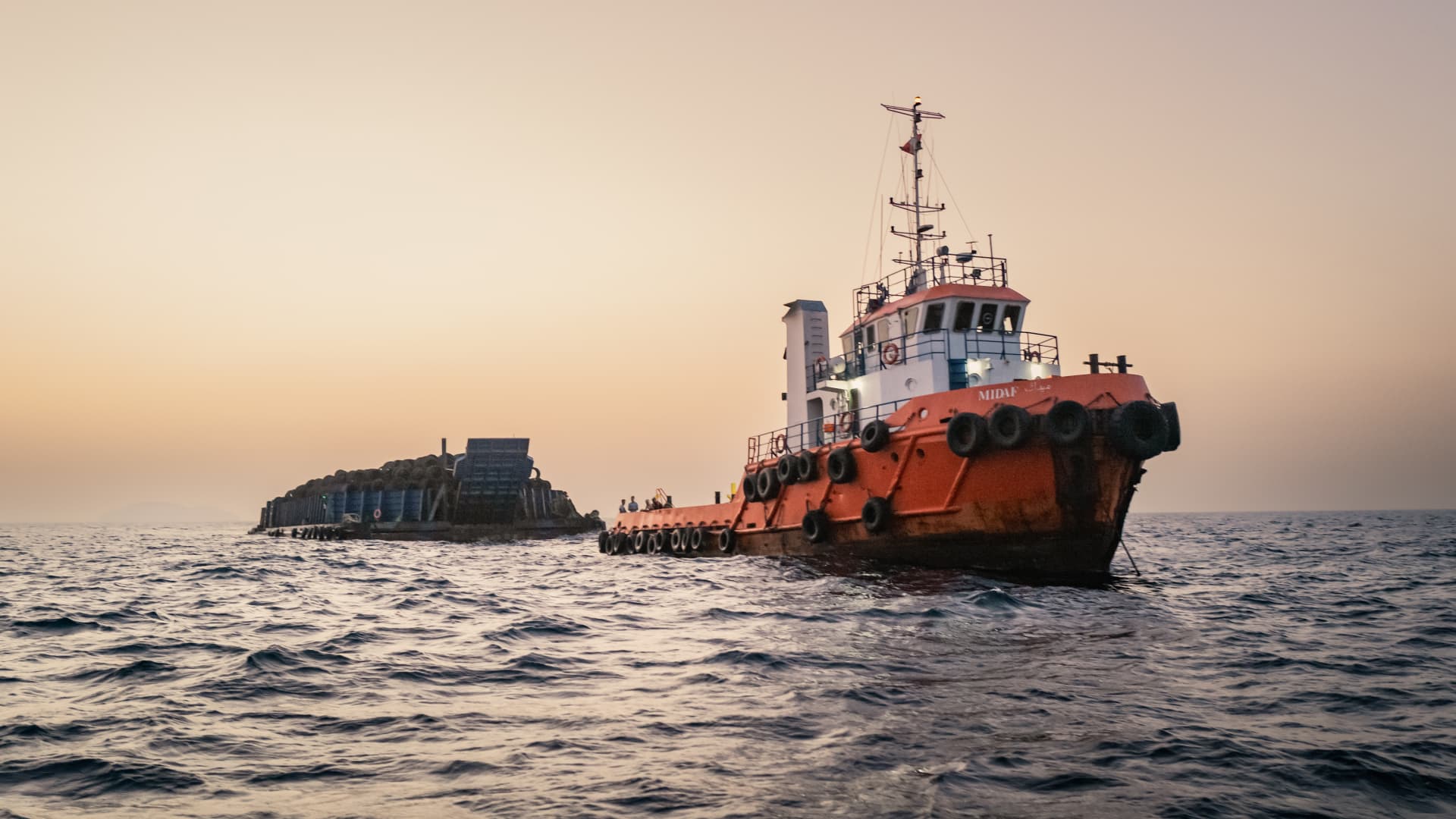
Oil prices after Houthi tanker strike claims moved higher Wednesday, reversing part of the prior session’s selloff. For investors watching crude, the move showed how quickly expectations around Middle East shipping can change commodity prices, even when the reported incident has not been independently confirmed.
CNBC reported that Brent crude, the international benchmark, traded at $80.32 a barrel, up more than 1.2%. U.S. West Texas Intermediate futures for September delivery rose 0.67% to $76.28 a barrel.
The Houthi movement in Yemen said it struck a Saudi tanker with a missile near Yanbu, a Saudi export port on the Red Sea, according to CNBC. The group’s claim was reported, not independently confirmed in the available reporting. CNBC described the movement as Iran-backed.
The gains followed a roughly 6% decline in oil prices on Tuesday, when markets had been responding to hopes that the Strait of Hormuz could reopen. Treasury Secretary Scott Bessent had said a deal to open the waterway could be reached during the week, CNBC reported. The later tanker claim appeared to weaken optimism about a ceasefire and more normal shipping conditions.
Why do the Strait of Hormuz and Red Sea matter for oil prices?
The Strait of Hormuz is a key route for oil, gas, fertilizer and other industrial goods. The Bab al-Mandab Strait links the Red Sea with the Gulf of Aden and wider global markets, according to the BBC. Events affecting access to either passage can raise concerns about the movement of cargoes.
The reported tanker incident came after shipping disruptions had already become a market focus. The Guardian reported that Saudi Arabia had redirected oil toward the Red Sea while Hormuz was closed, and that insurance costs for some companies using the southern Red Sea had doubled. Those conditions provide context for why the reported attack drew attention, but they do not confirm disruption from the later claimed strike.
Was the Saudi tanker strike confirmed?
Confirmation exists for a separate incident in July, not for the later claim that coincided with Wednesday’s price move. On July 23, Saudi state media said the Saudi-flagged tanker Encelia was targeted in the Red Sea, causing a fire at its bow, while all crew members were safe, according to CNBC and the BBC.
For that earlier event, UK Maritime Trade Operations said an “unknown projectile” had struck a tanker about 130 kilometers southwest of al-Shuqaiq, Saudi Arabia. It reported a fire and no casualties. The Houthis also claimed to have targeted a second tanker, Layla, but the BBC said there was no confirmation of an attack on that vessel at the time.
U.S. Central Command said late Tuesday that the southern Hormuz route through Omani territorial waters was free and open to commercial vessels, CNBC reported. The competing signals left crude markets focused on both diplomatic progress and the risk of further incidents at sea.
This story draws on original reporting from CNBC.


