Oil prices rise after Red Sea and Gulf of Oman shipping attacks
Brent neared $90 and WTI topped $84 as new shipping attacks revived supply concerns despite signs of Hormuz diplomacy.
By Dev Ramirez · Crypto Correspondent
· 3 min read
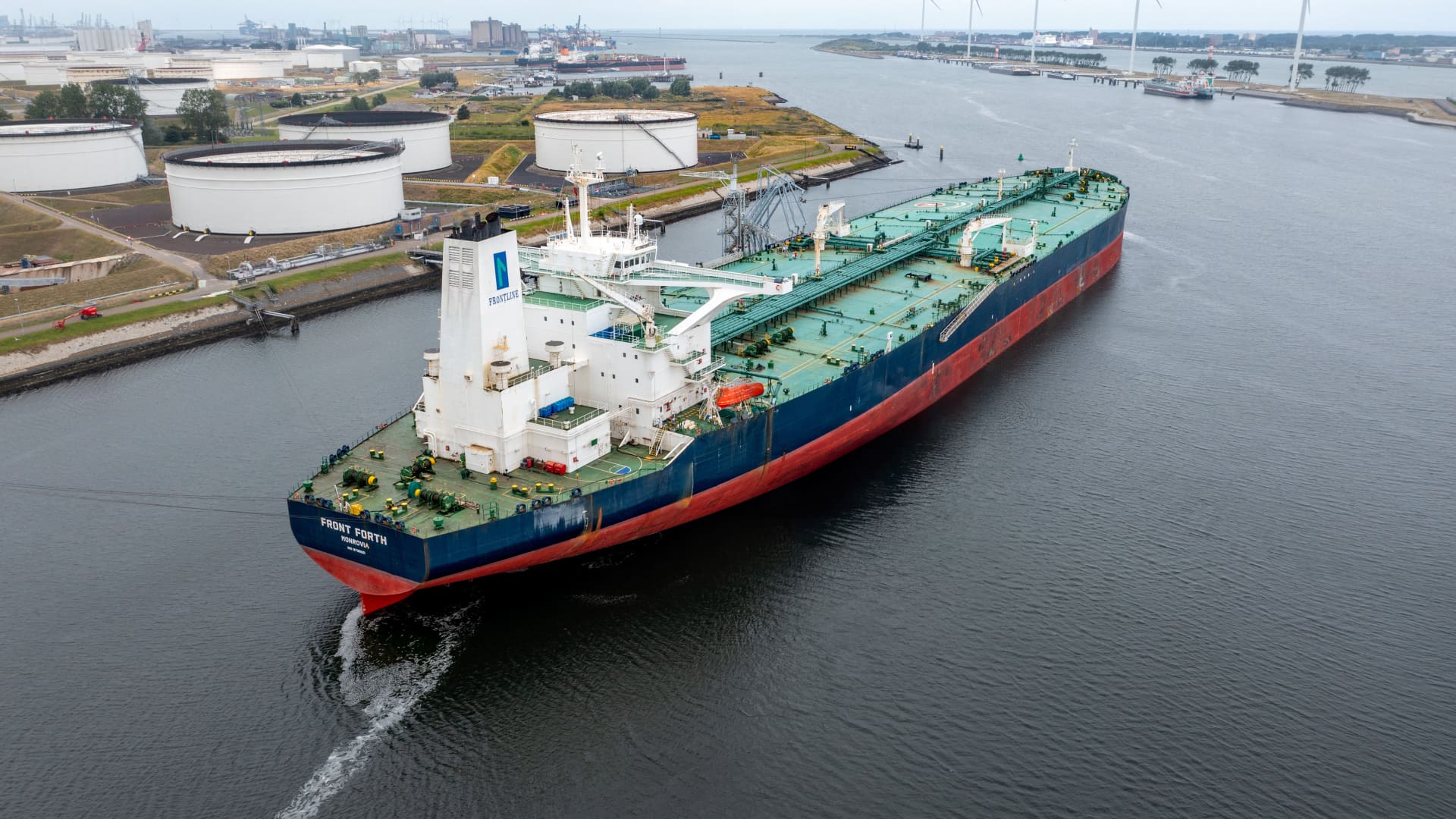
Oil prices rise after Red Sea attacks and a separate incident in the Gulf of Oman renewed investor concern about the security of Middle East shipping routes. Brent crude gained about 1.24% to $90 a barrel on Wednesday, while U.S. West Texas Intermediate crude rose 1.3% to $84.30, according to CNBC.
For investors, the move shows how quickly oil can react when events raise the risk that tankers may be delayed, diverted or unable to move through critical waterways. The latest rise still left Brent below the level reached in late July, when the benchmark settled above $100 amid earlier disruption concerns.
Why are oil prices rising after the Red Sea attacks?
Oil traders are weighing the possibility that conflict could restrict the movement of crude through several linked routes. CNBC reported that Iran-backed Houthi rebels killed six people in an attack on a cargo ship in the Bab el-Mandeb Strait on Tuesday, the first reported deaths from attacks on Red Sea shipping in more than a year.
Hours later, U.S. forces said they fired missiles at a container ship in the Gulf of Oman that allegedly attempted to violate Washington's blockade of Iranian ports, CNBC reported. The alleged breach and the account of the Red Sea attack are statements attributed to the parties and officials involved.
Bab el-Mandeb sits at the southern entrance to the Red Sea, while the Gulf of Oman leads toward the Strait of Hormuz. These passages matter because they are transit points for seaborne energy cargoes. Analysts cited by Reuters estimate that Hormuz and Bab el-Mandeb together carry the equivalent of roughly one-quarter of global oil supply.
That estimate does not mean the latest incidents removed a defined amount of crude from the market. Instead, the price response reflects heightened uncertainty over whether shipping can continue safely and reliably through the region.
Hormuz diplomacy offers a counterweight
There were also signs of possible progress toward reopening the Strait of Hormuz. CNBC reported that diplomats were signaling movement, and Pakistan had expressed optimism that Washington and Tehran could reach an agreement.
José Torres, senior economist at Interactive Brokers, said in a note cited by CNBC that concerns about Middle East supply remained despite indications of a possible agreement. Investors have been looking for concrete developments, he said, rather than signals alone.
The recent price path illustrates that uncertainty. Reuters reported that Brent settled at $100.69 on July 23, up 7% for the day, while WTI settled at $92.19. By Aug. 11, Brent had settled at $88.91 and U.S. crude at $83.20, according to a Reuters report republished by Global Banking & Finance Review.
Wednesday's gains placed both benchmarks above those Aug. 11 closes, but below the late-July spike. The next moves in crude will depend in part on whether shipping risks intensify and whether negotiations produce a verifiable path to reopening Hormuz.
This story draws on original reporting from CNBC.


