Oil prices rise as Strait of Hormuz reopening remains unresolved
Brent and WTI futures climbed early Aug. 10 as Iran denied direct U.S. talks and shipping through Hormuz remained constrained.
By Dev Ramirez · Crypto Correspondent
· 3 min read
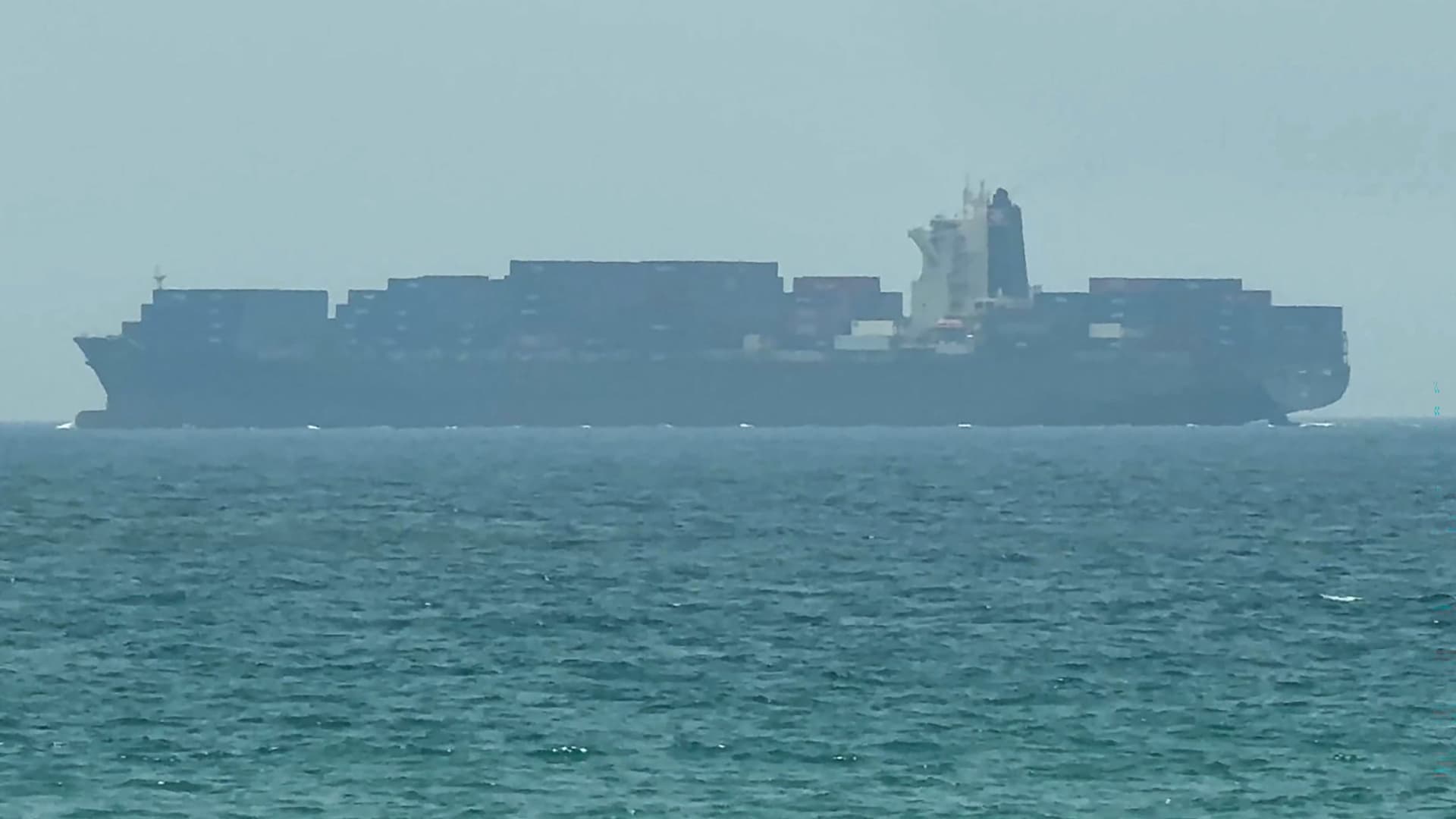
Oil prices and the Strait of Hormuz were back in focus early Aug. 10, with crude futures rising as investors weighed conflicting signals about when shipping through the waterway might resume normally. October Brent crude gained 1.09% to $84.46 a barrel, while September West Texas Intermediate rose 0.84% to $78.84, according to CNBC.
For investors, the move reflects unresolved supply risk rather than a completed diplomatic agreement. If tankers cannot move predictably through a major export route, oil buyers and sellers have less certainty about available supply, which can lift futures prices.
Iranian Foreign Minister Abbas Araghchi said Tehran was not currently holding direct talks with the U.S. on ending the conflict and opening the strait, CNBC reported. That position contrasted with earlier statements from U.S. officials that an agreement could be close.
Why are oil prices rising over the Strait of Hormuz?
Crude futures are responding to uncertainty over the terms and timing of any reopening. Treasury Secretary Scott Bessent had said an agreement allowing freedom of movement through Hormuz could arrive as soon as the preceding Wednesday, CNBC reported on Aug. 7. President Donald Trump and Secretary of State Marco Rubio had also indicated that an agreement was imminent, but no deal had been announced as of that report.
Iran has reportedly tied reopening to conditions. CNBC, citing the Independent, reported that Tehran sought U.S. compensation. It also reported that Mohammad Bagher Zolghadr, who heads Iran's supreme national security council, said the strait would stay shut until six conditions were fulfilled. Those reported demands have not become a confirmed U.S.-Iran agreement.
Citi said the U.S. position was that a reopening must retain unrestricted navigation and exclude Iranian approvals, tolls or controls. The bank said that stance conflicted with parts of the reported arrangement.
What does the Iran-Oman route plan mean?
Separate discussions involving Iran and Oman should not be treated as a full reopening of the strait. CNBC reported Aug. 7 that the countries were working on transit routes that would send inbound vessels through Iranian waters and outbound vessels through Omani waters.
Iran's Foreign Ministry said Aug. 6 that a joint statement on a proposed route was in final drafting, according to Upstream. Iranian Deputy Foreign Minister Kazem Gharibabadi later said the Oman agreement was nearing its final stage but would not itself constitute a full reopening, Anadolu Agency reported. He said the temporary route could last two to four months or longer and would require another decision before a second phase.
The available shipping data still pointed to disruption. Kpler data cited by CNBC showed vessel traffic through Hormuz was down 33% on Aug. 7 from the previous day, with most ships using the Iranian route.
Risks also extend beyond the strait. Citi said Houthi groups in Yemen continued attacks and threats against Saudi-linked shipping in the Red Sea and around Bab el-Mandeb, adding another layer of uncertainty for regional energy transport.
This story draws on original reporting from CNBC.


