Oil rises as US and Iran trade strikes near Strait of Hormuz
Crude prices climbed Monday as fighting around a key energy route slowed shipping and renewed worries over global oil flows.
By Dev Ramirez · Crypto Correspondent
· 3 min read
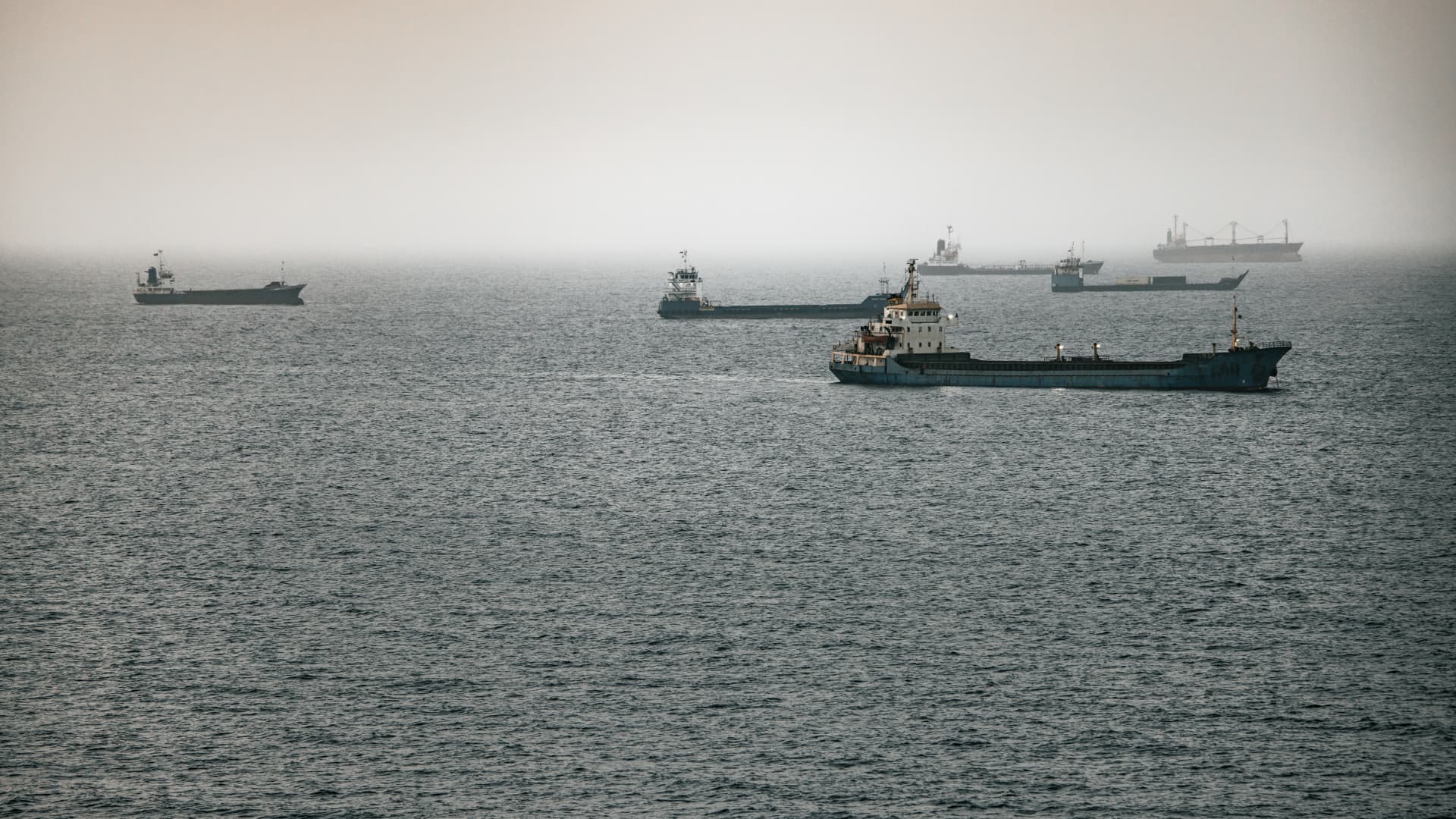
Oil prices moved higher Monday after the U.S. and Iran exchanged fresh strikes around the Strait of Hormuz, a narrow waterway that carries a major share of global energy shipments. For everyday investors, the move matters because oil is a core market input: when supply routes look riskier, traders often price in the chance of tighter supply.
Brent crude futures, the international oil benchmark, rose 3.3% to $78.48 a barrel, according to CNBC. West Texas Intermediate futures, the main U.S. oil benchmark, were up 3.3% at $73.78. Futures are contracts tied to delivery of a commodity at a future date, and they are widely used by traders and companies to hedge or speculate on price moves.
Prices had climbed roughly 5% earlier in the session before pulling back from their highs, CNBC reported.
Fresh strikes add pressure to shipping
U.S. Central Command said the U.S. military carried out another round of strikes against Iran on Sunday, following attacks on 140 targets Saturday. Centcom said the action came after Iran’s Islamic Revolutionary Guard Corps attacked a container ship traveling through Hormuz.
Iran’s state news agency Tasnim reported that Iran struck U.S. military facilities in Jordan, Kuwait, Bahrain and Oman on Sunday.
The two sides also gave conflicting accounts of whether ships could pass through the strait. Iranian state media said the Revolutionary Guard had closed Hormuz until further notice. Centcom rejected that claim, saying the waterway remained open to vessels making lawful transit.
Centcom said on social media Sunday that U.S. forces were ready to keep navigation available despite what it called Iranian aggression, threats and declarations. The command added that Iran does not control the strait and said traffic was moving.
President Donald Trump also said Hormuz was open in an interview with NBC News’ “Meet the Press” that aired Sunday. Maritime intelligence firm Windward said it tracked nine ships moving through the strait on Saturday.
The Joint Maritime Information Center, a U.S.-led naval coalition in Bahrain that sends security updates to civilian vessels in Middle East waters, said the southern route through Oman’s waters remained open for inbound and outbound ships. The center still described the security situation as severe and advised mariners to use “extreme vigilance.”
Why Hormuz is central to oil prices
The Strait of Hormuz is one of the world’s most important energy chokepoints. CNBC reported that about 20% of global oil supplies passed through the strait before the U.S. and Israel attacked Iran on Feb. 28.
Traffic fell sharply after Iran began attacking ships in the strait in early March, according to CNBC. Ship transits later increased after Washington and Tehran signed an interim peace deal on June 17, but the latest fighting has again raised questions about how the waterway will operate.
CNBC reported that the latest escalation stems from competing U.S. and Iranian views of how Hormuz was meant to reopen under that interim agreement. Iran is demanding that ships use a northern route through Iranian territorial waters, while the U.S. is protecting a southern corridor.
David Fyfe, chief economist at Argus, told CNBC’s “Europe Early Edition” that vessel traffic through Hormuz appeared to have slowed sharply after the weekend strikes. He said recent flows had fallen into the single digits, compared with 30 or 40 tankers and bulk carriers earlier last week.
Fyfe said the slowdown had weighed on oil movement and noted that stockpiles had been drawn down since the crisis began in late February. He also pointed to Russia cutting off diesel exports to the international market as another factor that could push oil prices higher.
This story draws on original reporting from CNBC.