Oil shock puts ECB’s July rate call back in play
Renewed U.S.-Iran fighting near Hormuz has lifted crude prices, forcing investors to reassess whether the ECB can keep rates unchanged next week.
By Dev Ramirez · Crypto Correspondent
· 3 min read
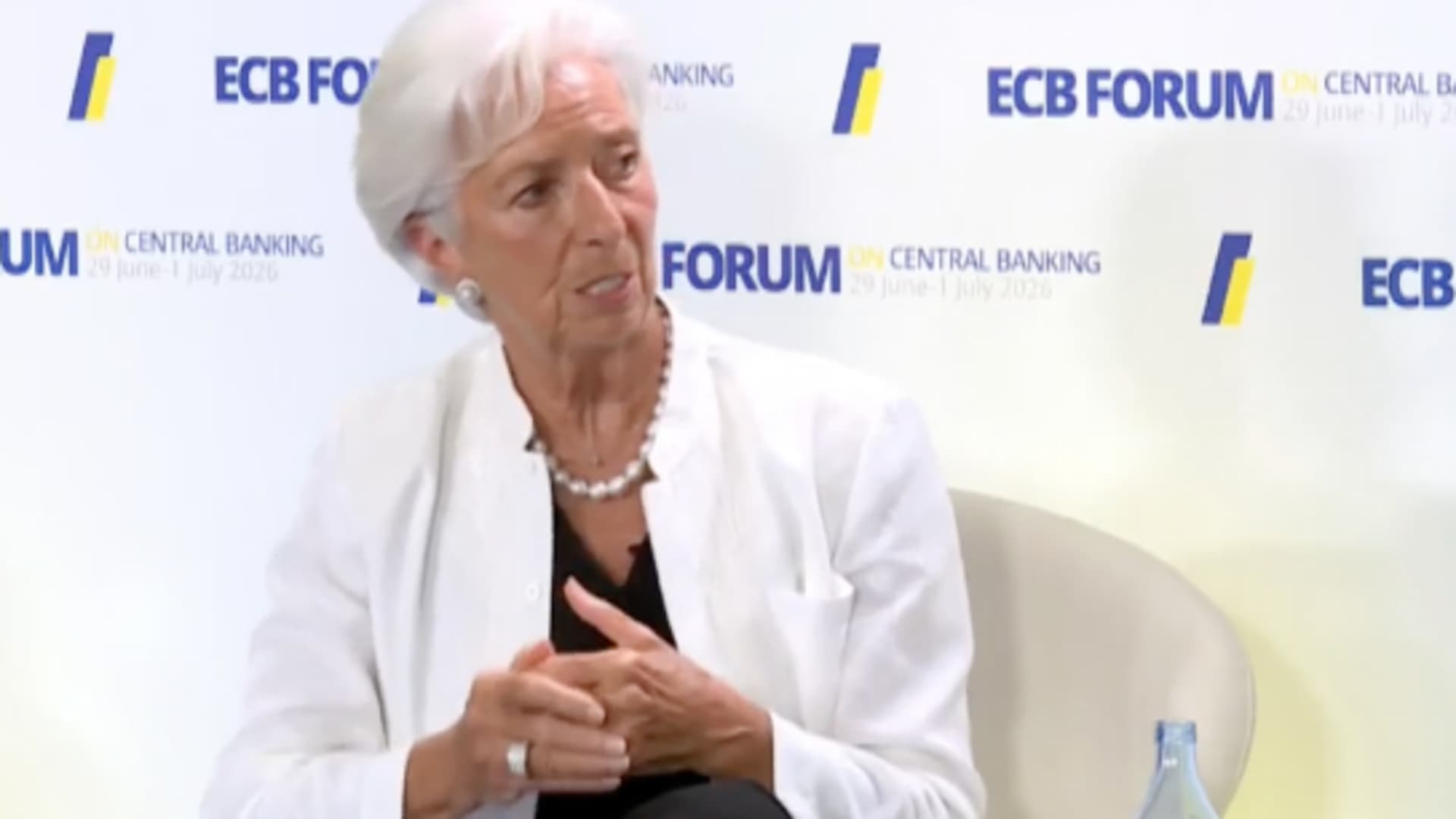
Oil is back at the center of Europe’s rate debate, and that can matter for anyone holding eurozone stocks, bonds or currency exposure. After several days of strikes exchanged between the U.S. and Iran, higher crude prices are making the European Central Bank’s July 22 decision less settled than investors had expected.
The basic channel is straightforward: pricier oil raises energy costs, energy feeds into inflation, and inflation is the ECB’s main job. If policymakers fear today’s energy shock will spread into wages, services and other prices, they may keep interest rates higher, or raise them again, even if growth is weak.
Bundesbank President Joachim Nagel, who sits on the ECB’s rate-setting body, told Reuters on Wednesday that the renewed Middle East fighting and the latest rise in oil showed conditions were “extremely volatile” and uncertainty remained high. Nagel said caution was still appropriate, while adding that the central bank should act firmly if needed and keep a watchful policy stance.
Markets reconsider a pause
The ECB cut rates four times in the first half of 2025, lowering its key deposit rate from 3% at the start of that year to 2% by mid-June, according to the reported policy path. The deposit rate is the rate banks receive for parking money at the central bank, and it influences borrowing costs across the economy.
In June, the ECB reversed course and raised that rate by 25 basis points to 2.25%. A basis point is one-hundredth of a percentage point, so 25 basis points equals 0.25 percentage point.
Before the Iran war, headline eurozone inflation was near the ECB’s 2% goal. It later rose to 3.2% in May, then eased to 2.8% in initial June estimates. Energy prices were still up 8.7% from a year earlier in June, while core inflation, which strips out volatile items such as energy, was held to 2.4%. That suggested broader price spillovers had so far been limited.
Those spillovers are often called second-round effects: an initial oil shock becomes a wider inflation problem if companies lift prices across other goods and workers push for higher pay to cover costlier living expenses.
Crude’s latest move has made that risk harder to dismiss. Brent futures for September delivery traded above $85 a barrel early Wednesday, after being closer to $70 last week. The move followed renewed concern over oil supply tied to fighting around the Strait of Hormuz, a key route for global energy shipments.
Europe is especially exposed to energy swings. Eurostat’s most recent available data show the eurozone imported 57% of its energy needs in 2024.
Data gap complicates the decision
The ECB also has to weigh inflation against a soft economy. The eurozone contracted 0.2% year over year in the first quarter of 2026, and tighter policy can add pressure by making loans more expensive for households and companies.
Policymakers will not have the newest major readings before next week’s meeting. Initial estimates for second-quarter gross domestic product are due July 30, and July inflation figures are due July 31.
ING rates strategists Michiel Tukker and Benjamin Schroeder wrote Wednesday that eurozone inflation figures will be key for testing the market’s hawkish positioning, but said those numbers may still fail to calm concerns about second-round risks. They said U.S. inflation momentum should be downward, while Europe’s inflation peak may still be ahead if energy prices keep rising.
Market pricing still implies only about a 20% chance of an ECB hike next week, after investors had nearly ruled one out when oil prices fell last month. Investors nevertheless expect two additional quarter-point increases by next spring, which would lift the deposit rate to 2.75%.
Austrian central bank chief Martin Kocher told German newspaper Börsen-Zeitung that officials are focused on indirect price effects from the Middle East war and possible second-round effects. He said policymakers do not currently see those second-round effects, but must still set policy with inflation expectations in mind.
This story draws on original reporting from CNBC.


