Oil tops $100 as Middle East supply risk puts $120 back in view
Goldman Sachs says Brent could climb above $120 if Hormuz disruption persists, while analysts warn Iranian supply and tight inventories leave little cushion.
By Jordan Bell · Startups & Deals Reporter
· 4 min read
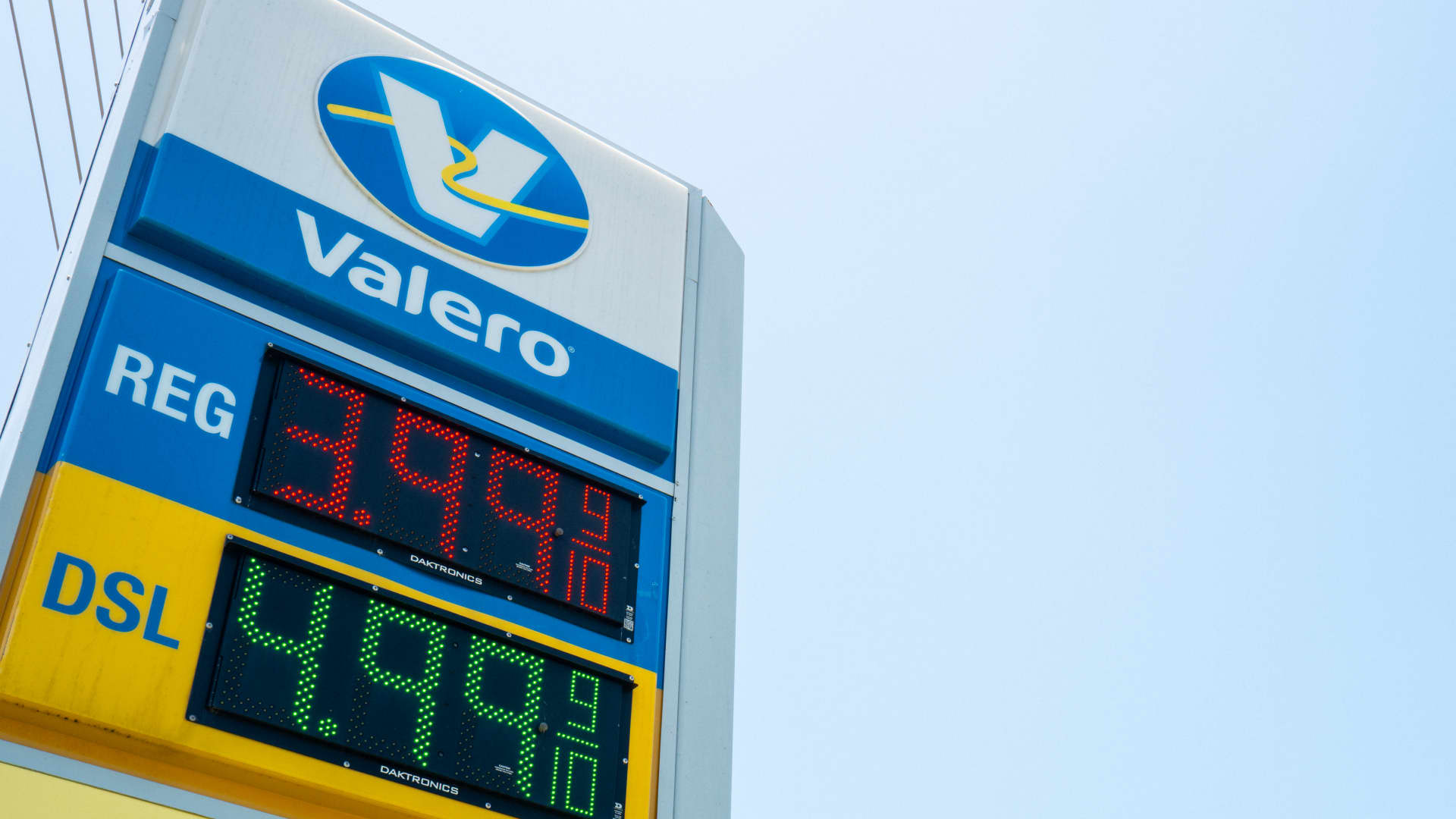
Brent crude has moved past $100 a barrel, putting energy costs back at the center of the market conversation for everyday investors. Higher oil can lift energy stocks, pressure airlines and retailers, and feed into gasoline prices, which AAA says are back above $4 a gallon nationally.
Brent is the global oil benchmark, while West Texas Intermediate, or WTI, is the main U.S. benchmark. CNBC reported that WTI has topped $90 a barrel, with traders focused on whether geopolitical disruptions could take more barrels out of the market.
Why supply risk is driving the move
The main concern is supply moving through and around the Middle East. The Strait of Hormuz is a narrow waterway used for major oil flows from the Persian Gulf. The Bab el-Mandeb Strait, between Yemen and Africa, is the southern entrance to the Red Sea and another key route for oil and refined products.
After an attack in Jordan killed American service members, President Donald Trump warned Iran that those responsible would “pay,” CNBC reported. At the same time, the Houthis, an Iran-aligned group in Yemen, have sought to pressure Red Sea shipping, according to CNBC.
Eric Nuttall of Ninepoint Partners said the market has little room to absorb another supply hit. He pointed to Middle Eastern production already being down 7 million to 8 million barrels a day, low onshore inventories, a reduced U.S. Strategic Petroleum Reserve and tight refined product stocks. Nuttall said losing another 2.6 million barrels a day of Iranian production would be difficult for the market to handle.
Kevin Book of ClearView Energy Partners said the price impact would depend on how long Iranian barrels stayed offline, but he estimated the market would be looking at a minimum increase of $5 a barrel. Rapidan Energy Group’s Bob McNally told CNBC that if Iran’s production shut, its refineries would stop after storage was drained, which would hit transportation and the broader Iranian economy.
Goldman sees a path to $120
Goldman Sachs analyst Daan Struyven wrote that Brent could rise back above $120 a barrel in the fourth quarter if disruption around Hormuz continues. He also said recent inventory draws have made the oil market more exposed than it was in February.
Struyven added one possible limiter: weaker demand, especially in China, where crude imports remain soft. Demand elasticity means buyers use less of something as prices rise, which can cap how far prices climb.
Inventories are another pressure point. CNBC reported growing concern that continued sales from the U.S. Strategic Petroleum Reserve could push storage closer to “tank bottoms,” an industry term for low levels where it becomes harder to pull out oil at the desired pace.
Energy stocks and deal activity
Higher crude prices have helped several energy stocks. CNBC reported that seven large-cap oil and gas names are up double digits this month, led by Marathon Petroleum, which has gained 25% in July and reached record highs.
U.S. companies are also moving into Iraq. CNBC reported that American companies plan to invest $60 billion or more there, including Chevron, ConocoPhillips, Shell, BP, Halliburton, JPMorgan Chase, PepsiCo, Abbott and Thermo Fisher Scientific.
Chevron is in talks tied to rebuilding a pipeline from Kirkuk in northern Iraq to the Syrian coast and is reportedly discussing investments in two major Iraqi oil fields, according to Reuters. UBS has a $220 12-month price target on Chevron, while Melius Research has a $243 target and TD Cowen has a $197 target, CNBC reported.
ConocoPhillips will invest alongside BP by buying a 42% stake in an oilfield, CNBC reported. Evercore ISI has a $145 price target on ConocoPhillips but said the Iraq move may prompt investor questions about how it fits the company’s resource and free cash flow plans.
Goldman Sachs also started coverage of natural gas-focused Excelerate Energy with a buy rating and a $49 target. CNBC reported that Excelerate operates 12 large floating natural gas storage and regasification vessels and has about a 25% share of the global floating regasification market, according to Goldman.
This story draws on original reporting from CNBC.


