Oman tanker attack reports add pressure to oil shipping routes
UKMTO said one tanker was hit near Oman and another saw an explosion as Iran warned of tighter control over key shipping lanes.
By Maya Okafor · Markets Writer
· 4 min read
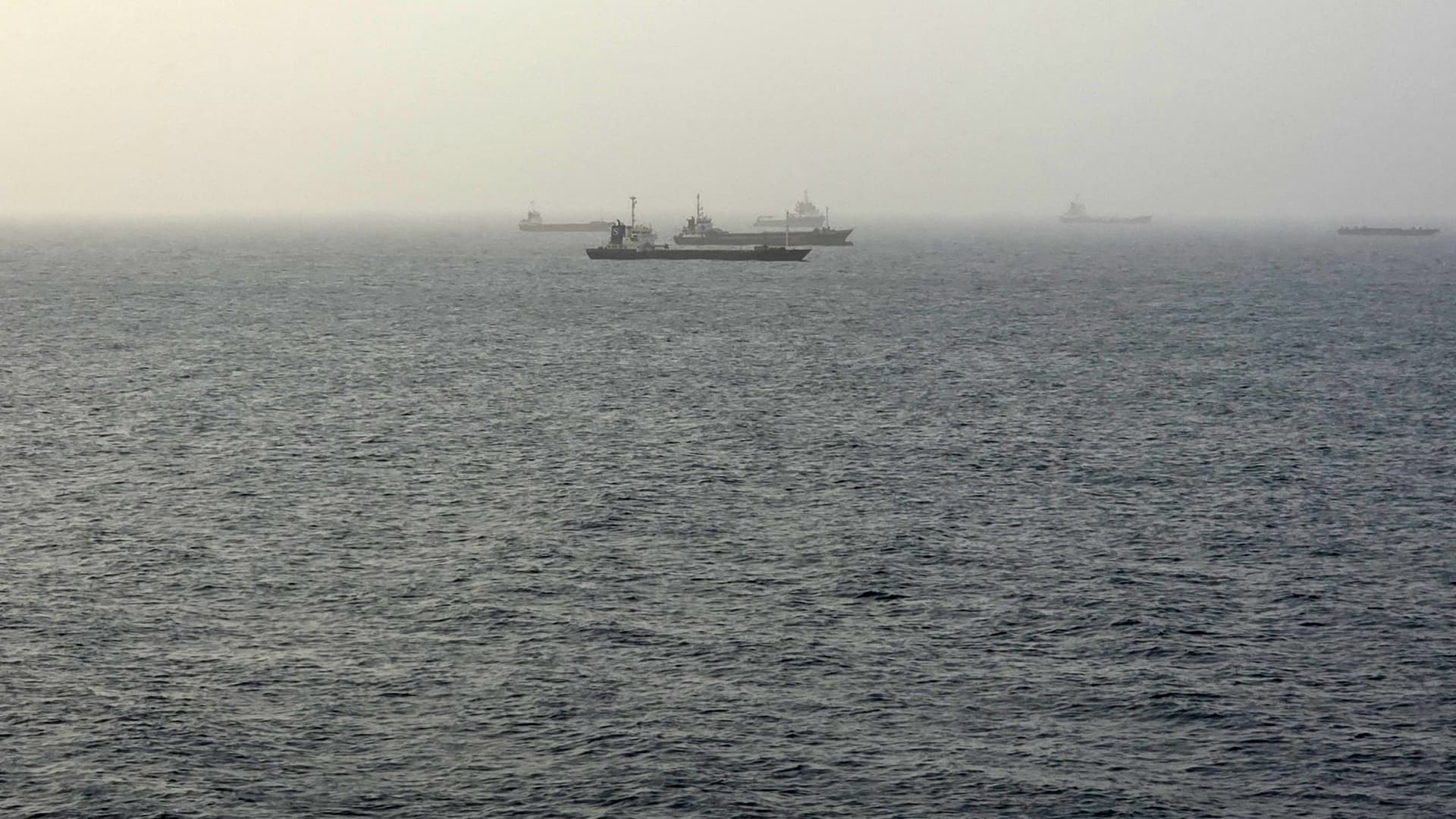
The Oman tanker attack reports landed in a market already watching the Strait of Hormuz, one of the world’s most important oil routes. For everyday investors, the risk is direct: disruptions in shipping can feed into crude prices, fuel costs and inflation expectations.
The United Kingdom Maritime Trade Operations Centre, which is backed by the British Navy, said Saturday that a tanker 11 nautical miles northeast of Oman reported damage after being hit by an unknown projectile. UKMTO said the engine room was damaged, the vessel was “not under command,” regional Coast Guard officials had been notified and no casualties or environmental damage had been reported.
UKMTO also said a second tanker near Oman reported seeing a large splash and explosion close to the vessel. The organization did not identify who was responsible for either incident.
Kuwait separately said its air defenses responded to hostile drone attacks by Iran, according to CNBC. The reports came as U.S. media outlets said President Donald Trump is considering another round of strikes against Iran.
What happened to the tankers near Oman?
One tanker near Oman reported being struck by an unknown projectile that damaged its engine room, according to UKMTO. A second tanker in nearby waters reported seeing an explosion and large splash close to the ship, UKMTO said.
The incidents followed a breakdown in a temporary ceasefire tied to a memorandum of understanding signed by the U.S. and Iran on June 17, according to CNBC. The conflict began on Feb. 28, and the two sides have remained at odds over Iran’s nuclear program and control of shipping through the Strait of Hormuz.
The Strait of Hormuz is a narrow waterway between Iran and Oman that connects the Persian Gulf with the Gulf of Oman. CNBC reported that about one-fifth of global oil supplies moved through it before the war began, making any threat to traffic there a major concern for energy markets.
Iran warns over shipping chokepoints
The Wall Street Journal, citing unnamed U.S. officials, reported Friday that Trump had ordered the military to prepare a new attack on Iran that could start as soon as this weekend. The Journal said officials also indicated the strikes could be called off if diplomacy advances.
The Associated Press quoted Trump as saying Friday at a televised cabinet meeting at Camp David: “We will be hitting them very hard.” Axios, citing an unnamed U.S. official, reported that Trump was seriously considering strikes on Iranian energy targets in the coming days, while final orders had not been issued.
Iran’s WANA news agency quoted Mohammad Bagher Zolghadr, secretary of Iran’s Supreme National Security Council, as warning that continued U.S. military pressure would lead Iran to tighten control over maritime passages. “The continuation of the naval blockade and warmongering by the U.S. regime will not only lock the Strait of Hormuz tighter, but will also shut down other straits and chokepoints,” WANA quoted him as saying.
The U.S. reimposed a naval blockade on Iranian ships on July 13, according to CNBC, blocking Iranian vessels from entering or leaving the country’s ports. Over the past week, U.S. Central Command said the U.S. carried out a “heavy wave” of strikes on Iran, hitting dozens of Islamic Revolutionary Guard Corps targets. Iran retaliated by attacking U.S. military bases in Kuwait and Bahrain, CNBC reported.
The conflict has also touched other shipping routes. Egypt said Thursday that a drone hit two ships at its Mediterranean port of Damietta and caused a fire. No group claimed responsibility, CNBC reported, calling it the first attack on Egyptian soil since the war began.
Recent attacks by Iran-backed Houthi fighters in Yemen, along with the drone strike in Egypt, have raised concern that the Bab el-Mandeb strait at the southern end of the Red Sea could become another pressure point, according to CNBC.
Oil prices rose Friday but still finished lower for the week. West Texas Intermediate futures gained more than 1% to settle at $84.67 a barrel, while Brent crude, the international benchmark, also rose more than 1% to $90.12. Both benchmarks fell more than 5% for the week after selling off Monday on hopes that the Middle East conflict would ease.
This story draws on original reporting from CNBC.


