Prediction market scrutiny grows as CFTC reviews mention contracts
The CFTC is reportedly reviewing contracts on words used in public events, adding pressure on platforms already facing state and banking questions.
By Dev Ramirez · Crypto Correspondent
· 3 min read
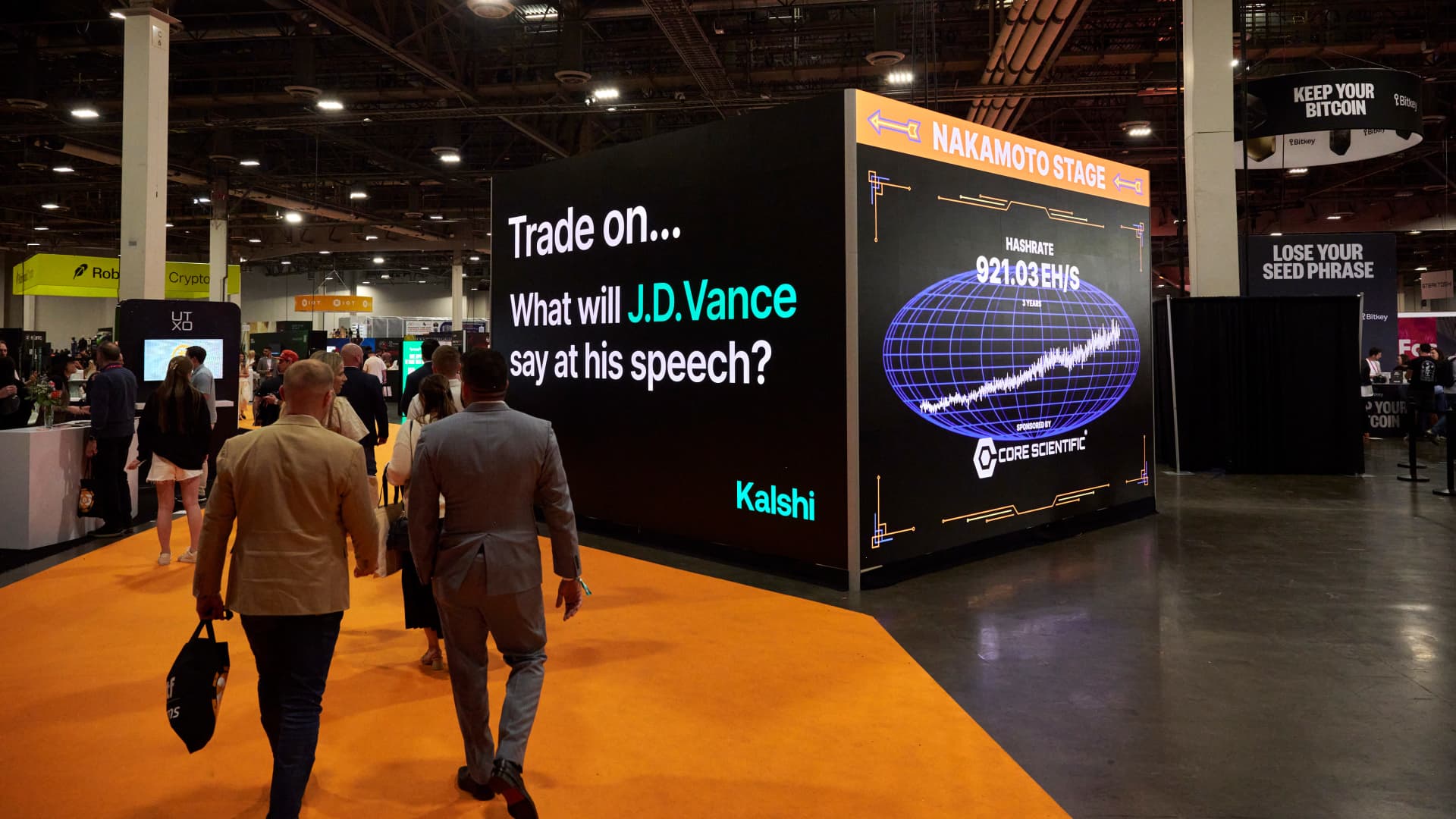
Prediction market scrutiny is widening after the Commodity Futures Trading Commission began an internal review of contracts tied to words spoken in public events, CNBC reported Aug. 14, citing people familiar with the matter. For people using these platforms, the issue goes beyond a single product: regulators, courts and financial firms are testing how far event-based trading can extend and who oversees it.
The reported review concerns “mention markets,” contracts that let users take positions on whether a particular word will be said in a speech, company earnings call or television broadcast. The CFTC and Kalshi declined to comment to CNBC, and it was not clear whether the inquiry covers only sports-related contracts or mention markets more broadly.
CNBC reported that Kalshi removed its sports-related mention markets around the time it was told of the review. Polymarket does not list mention markets on its CFTC-regulated U.S. exchange, CNBC said, though it offers them outside the U.S.
Why are mention markets drawing regulatory attention?
Critics argue that a person who can influence a speaker or knows what will be said could affect the outcome of a narrowly written contract. In July, the CFTC said it was investigating a former teleprompter operator for President Donald Trump over alleged profits from Kalshi contracts tied to the content of Trump’s speeches, according to CNBC. An investigation is not a finding of wrongdoing.
Kalshi has pushed back on the idea that such products create a new manipulation problem. In a public-comment letter, its head of market operations, Arjun Sawai, said the contracts add a limited incentive within a system that is regulated, transparent, subject to position limits and monitored.
These contracts were a relatively small part of Kalshi’s activity, with about $3.3 million in volume during the prior month, according to Dune Analytics data cited by CNBC. Still, their specificity is central to the concern. Stanford Law professor Joseph Grundfest said highly precise event contracts can raise the risk of manipulation or trading on nonpublic information. That is expert analysis, not a regulatory conclusion.
A broader fight over event contracts
The mention-market review arrives as the CFTC increases attention on how platforms design and display their offerings. CNBC reported that the agency recently sought public input on vertical integration among regulated firms, cautioned platforms against broadly worded self-certified contracts, and told them not to present odds in a casino-style format. Its Innovation Advisory Committee was scheduled to discuss prediction markets on Aug. 20.
A separate dispute concerns sports-related contracts and the line between federally regulated event trading and state gambling law. CNBC reported that a Washington state judge blocked several Kalshi categories, including sports, elections and mention markets, after finding the company was likely violating state law. Washington joined Michigan, Nevada and Massachusetts in blocking Kalshi, CNBC said.
The CFTC has sued nine states, arguing it has exclusive authority over event contracts. The legal question remains unsettled. Stanford Law noted that platforms describe their two-sided, market-set contracts as closer to futures markets, while states argue sports-indexed products function like sports betting.
Banking access is also in focus
Financial-services access may be another pressure point. CNBC, citing the Financial Times, reported that JPMorgan cut Polymarket off from financial services last October over regulatory concerns. A Polymarket spokesperson told CNBC the company continues to have a close, active relationship with JPMorgan across multiple entities. Neither account, as reported, establishes the current scope of that relationship.
This story draws on original reporting from CNBC.