RBI interest rate decision keeps benchmark rate at 5.25%
India’s central bank held its benchmark rate for a fifth straight meeting as inflation rose above target but remained within its tolerance band.
By Jordan Bell · Startups & Deals Reporter
· 3 min read
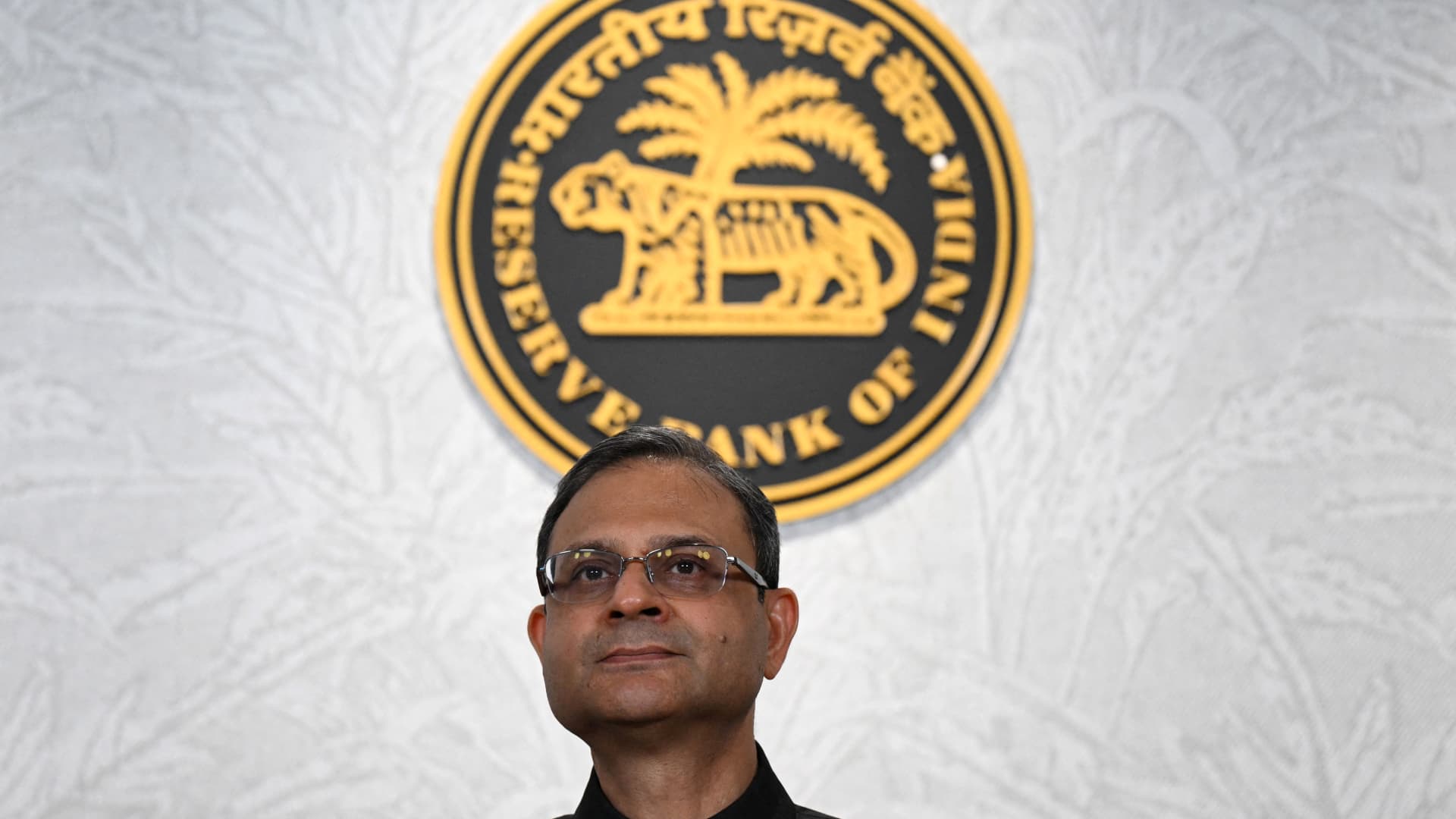
India’s RBI interest rate decision left the benchmark rate at 5.25% on Wednesday, its fifth consecutive hold since December. For investors watching India, the decision leaves a clear tension in focus: consumer inflation has moved above the central bank’s 4% target, while indicators of broader price pressure have so far remained more contained.
June consumer inflation reached 4.38%, an 18-month high and the first reading above the Reserve Bank of India’s medium-term target in more than a year, CNBC reported. Reuters said the figure was also the first overshoot in 17 months. It remained inside the RBI’s 2% to 6% tolerance range, however.
The research pack does not include an RBI policy statement explaining the decision. Before the meeting, Reuters reported that 68 of 72 economists it surveyed expected no change in rates.
Why did the RBI hold rates with inflation above 4%?
The available data pointed to a difference between a fuel-driven rise in headline inflation and a wider increase in prices across the economy. Core inflation, which strips out food and fuel costs, was 3.7% at the end of April, according to CNBC, while Reuters described it as contained near 4%.
RBI Governor Sanjay Malhotra had also said in an interview published before the meeting that signs of dearer fuel feeding into generalized inflation were limited, Reuters reported. Those factors were part of the pre-decision backdrop, not a stated explanation from the central bank for Wednesday’s hold.
Oil remains the main risk to that distinction. CNBC reported that June inflation rose as oil prices increased and that the government had partly passed higher fuel prices through to consumers since May. India meets nearly 85% of its fuel needs through imports, according to CNBC, a dependence that can increase its exposure to energy supply disruptions and price changes.
Higher energy bills can also reach beyond petrol and diesel. CNBC said a prolonged rise in energy costs could raise companies’ input, transport and operating expenses, which could then add to core inflation.
What could change the outlook for rates?
Several measures suggest policymakers and markets will be watching whether price pressures spread. Reuters reported that wholesale inflation rose 9.87% in June and that a May central-bank survey showed inflation expectations had increased. An Axis Bank economist told Reuters that wholesale-price pressure could flow into consumer inflation over three to four months, an outlook rather than a confirmed result.
Markets are also not treating the current setting as permanent. Reuters said interest-rate swap markets were pricing roughly 75 basis points, or 0.75 percentage point, of rate increases over the next 12 months. HSBC Global Investment Research forecast two quarter-point increases, in October and December, after projecting inflation above 5% for eight months starting in October, CNBC reported. Citi’s chief India economist, cited by Reuters, said a 2026 increase was unlikely unless core inflation stayed above 4.5%.
The RBI has also used measures other than rates to support foreign inflows and the rupee. Reuters reported that changes affecting foreign holders of Indian government bonds and dollar deposit schemes for non-resident Indians attracted nearly $40 billion in inflows. Whether inflation broadens beyond fuel will be central to the next policy debate.
This story draws on original reporting from CNBC.


