Republican affordability midterms face a test as grocery worries persist
Trump and Vance downplayed affordability concerns as polling showed voters cutting spending and focused on food costs ahead of November.
By Maya Okafor · Markets Writer
· 3 min read

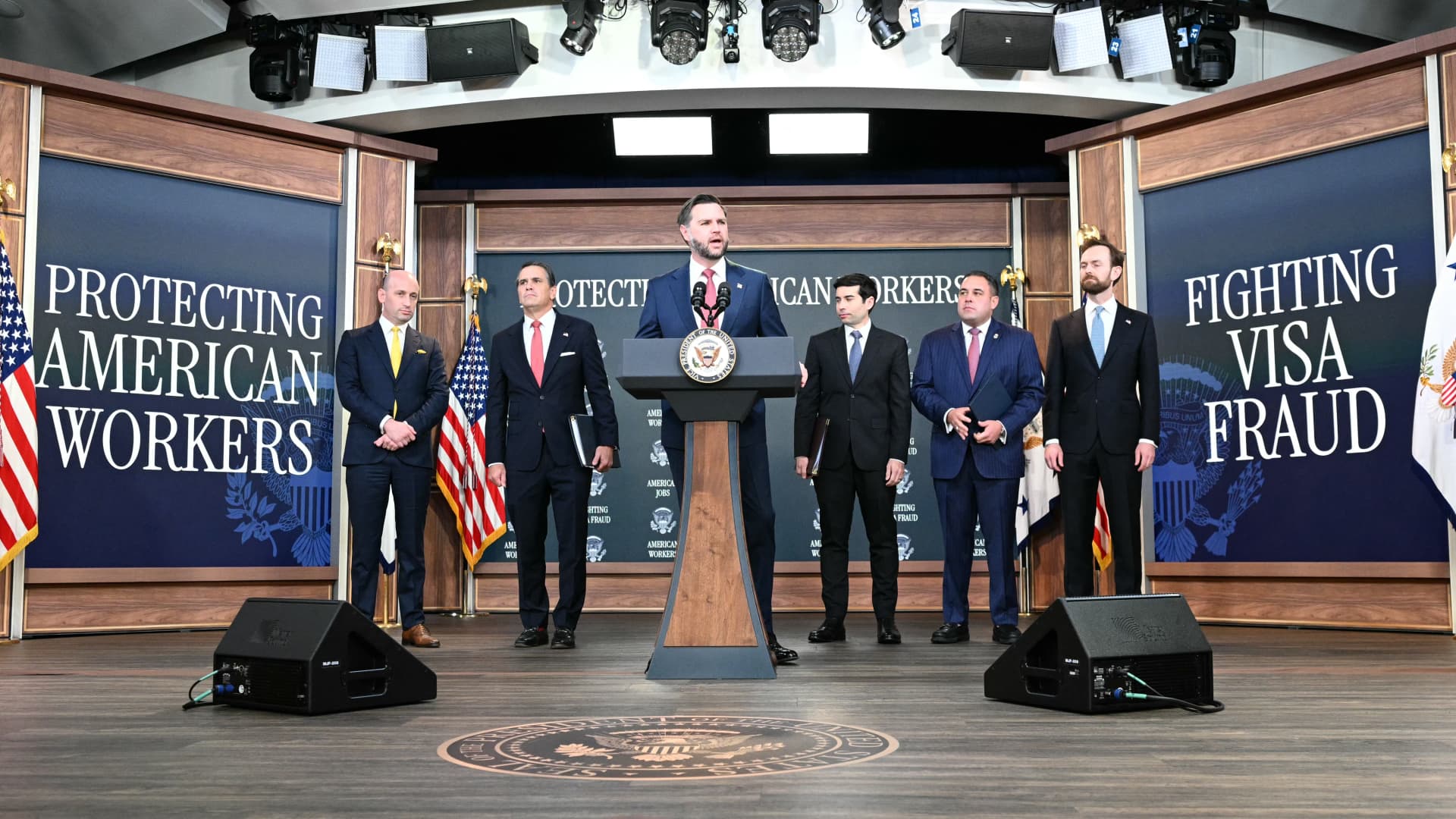
Republican affordability midterms messaging is drawing fresh scrutiny after President Donald Trump called the term a Democratic invention and a Republican National Committee text attributed to Vice President JD Vance said, “Groceries cost what they cost.” For households still changing their spending because prices remain high, the comments could give Democrats an opening ahead of November, though current polling does not show a decisive election outcome.
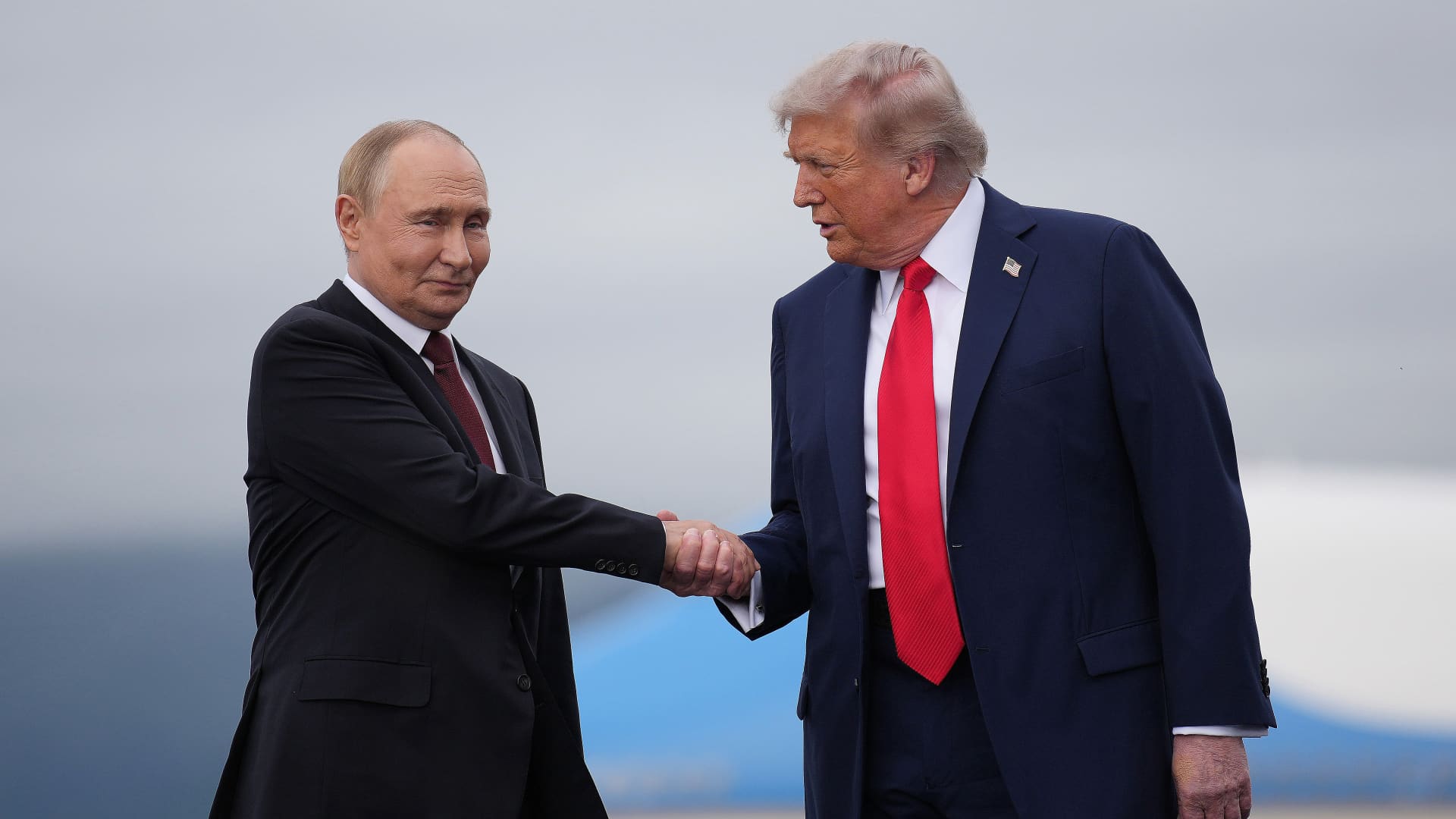
Trump made his remarks in a Wednesday interview with radio host Glenn Beck, according to CNBC. He argued that Democrats had created the term “affordability” to criticize him and said he inherited high prices from the Biden administration.
The RNC text, reported by CNBC and attributed to Vance, asked recipients to participate in a survey and said those unable to contribute should not do so because groceries “cost what they cost.”
Why do affordability concerns matter in the midterms?
Affordability refers to whether a household’s income can cover necessities and other regular expenses, including food, housing and health care. In CNBC’s July All-America Economic Survey, food and grocery costs were voters’ leading concern, CNBC reported, and Democrats held a 7-percentage-point advantage on handling that issue.
The survey of 1,000 registered voters nationwide, with a margin of error of plus or minus 3.1 percentage points, found 61% pessimistic about the economy and its future outlook. Forty-seven percent said they were cutting back on essentials such as food and medical care, while about two-thirds said they were spending less on nonessentials, CNBC reported.
Price data offers context for that concern. CNBC’s report on Commerce Department data said the personal consumption expenditures price index, a measure of consumer prices, rose 0.2% in July from June, putting the annual inflation rate at 3.7%. Inflation-adjusted consumer spending was flat in July after rising 0.4% in June.
Political analysts told CNBC that dismissive rhetoric on prices could be a liability. Kyle Kondik of the University of Virginia’s Sabato’s Crystal Ball said blaming a previous administration for current economic problems has generally not been an effective midterm argument. That is an assessment, not a prediction of November’s result.
What is the White House proposing on beef prices?
Even as Trump has criticized the language of affordability, his administration has proposed temporarily removing duties on 300,000 metric tons of imported beef. Politico reported that Trump said suppliers had agreed to a 25% discount that would be passed through to consumers.
The proposal is not the same as a demonstrated reduction in supermarket prices. Politico reported that farm-state Republicans and agriculture groups objected to it, while a USDA spokesperson said the measure would help address supply shortages. The same report, citing government data, said ground beef averaged $6.89 a pound in the preceding month, up from $6.75 in May.
The RNC defended the party’s economic record in a statement to CNBC. Spokesperson Max Lippel cited tax relief, lower prescription-drug prices, support for farmers and rural hospitals, and Trump Accounts as examples of policies meant to help families. Those are RNC assertions.
Affordability concern has not yet translated into an assured Democratic wave. CNBC’s July survey put Democrats only 4 points ahead in voter preference for control of Congress, unchanged from April. The available evidence points to a meaningful messaging risk for Republicans, not a settled verdict on the midterms.
This story draws on original reporting from CNBC.