S&P 500 options surge coincides with record call trading and a lower VIX
The S&P 500 rose 3.6% in the week ending Aug. 7 as record call trading highlighted bullish demand and the VIX retreated.
By Dev Ramirez · Crypto Correspondent
· 3 min read
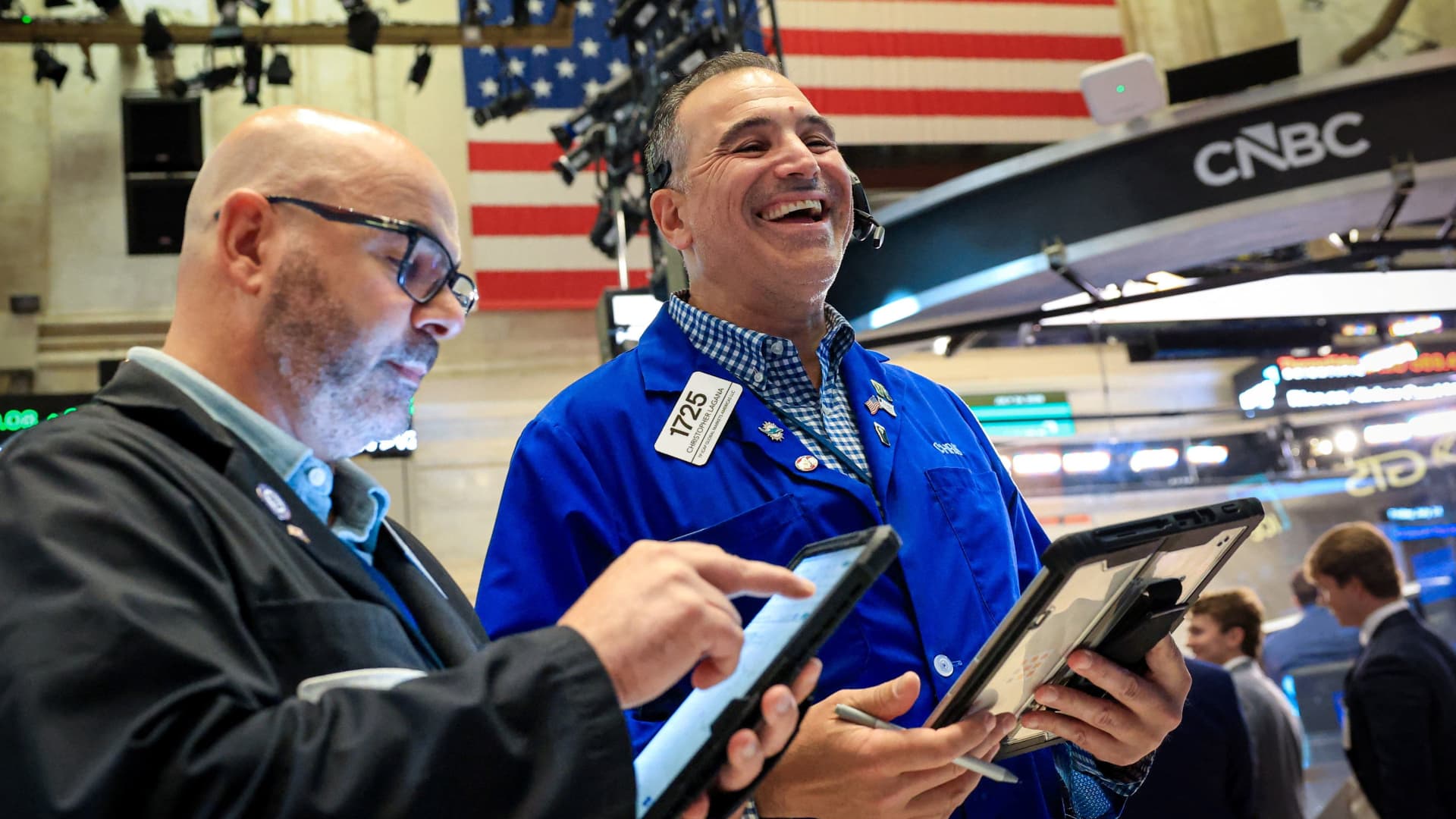
The S&P 500 options surge came alongside a strong week for stocks, not proof that derivatives trading caused it. The S&P 500 gained 3.6% in the week ending Aug. 7, 2026, including 0.6% on Friday, while the Cboe Volatility Index, or VIX, fell to its lowest level since January, CNBC reported.
For investors, the combination is a reminder that several market signals can point in different directions. Trading in call options, which are commonly used for bullish positioning, was unusually heavy during the rally. At the same time, Friday's low VIX indicated lower implied volatility than earlier in the year, after retreating from its midweek rise.
Why did the VIX rise while the S&P 500 was climbing?
On Tuesday, more than 4 million S&P 500 index calls changed hands on Cboe as the index moved above 7,700 for the first time, according to exchange data reported by CNBC. That was 10% above the previous call-volume record set in May. Of those trades, 2.4 million were zero-days-to-expiry calls, also a record.
The VIX rose by a full point during Tuesday's 1.8% S&P 500 advance, CNBC reported. The index also moved higher with stocks early Wednesday before declining when the market reversed. CNBC said stocks and the VIX move in the same direction about 20% of the time, particularly when the VIX is low and substantial call buying accompanies a fast market rise.
The link is option pricing. Heavy call demand can raise option prices and implied volatility, which can keep the VIX elevated even as stocks rise. The VIX is designed to measure the market's expected 30-day forward-looking U.S. equity volatility from S&P 500 option prices, according to Cboe's methodology. It is not a direct prediction of whether stocks will rise or fall.
Volume and positioning both stood out
Tuesday's volume measured contracts traded that day. The outstanding S&P 500 contracts at the end of the week were also elevated: total open interest stood at 27.4 million contracts, placing it in the 93rd percentile of the preceding year, according to Cboe data cited by CNBC. Call open interest was in the 95th percentile.
The put-to-call ratio across all options fell to 0.83 on Tuesday, the second-lowest reading recorded, CNBC reported. The excerpt said the average is above 1 because puts are frequently used for hedging, so the unusually low reading reflected particularly strong call activity relative to puts.
Investors watching SPDR S&P 500 ETF Trust options saw concentrations at two strikes, according to Barchart data cited by CNBC: 94,000 open puts at the 760 strike and 114,000 open calls at 785. Those are reported pockets of positioning, not reliable price targets or guarantees of support and resistance.
CNBC also warned that far-out-of-the-money calls can be vulnerable if both the underlying index or stock and implied volatility fall. The week’s figures show unusually bullish demand, but they do not establish where the S&P 500 goes next.
This story draws on original reporting from CNBC.


