Saudi Aramco Jazan refinery fire is extinguished as Houthis claim drone strike
Saudi Arabia reported no injuries after a fire at Aramco’s Jazan refinery; the fire’s cause and any effect on operations remain undisclosed.
By Maya Okafor · Markets Writer
· 3 min read
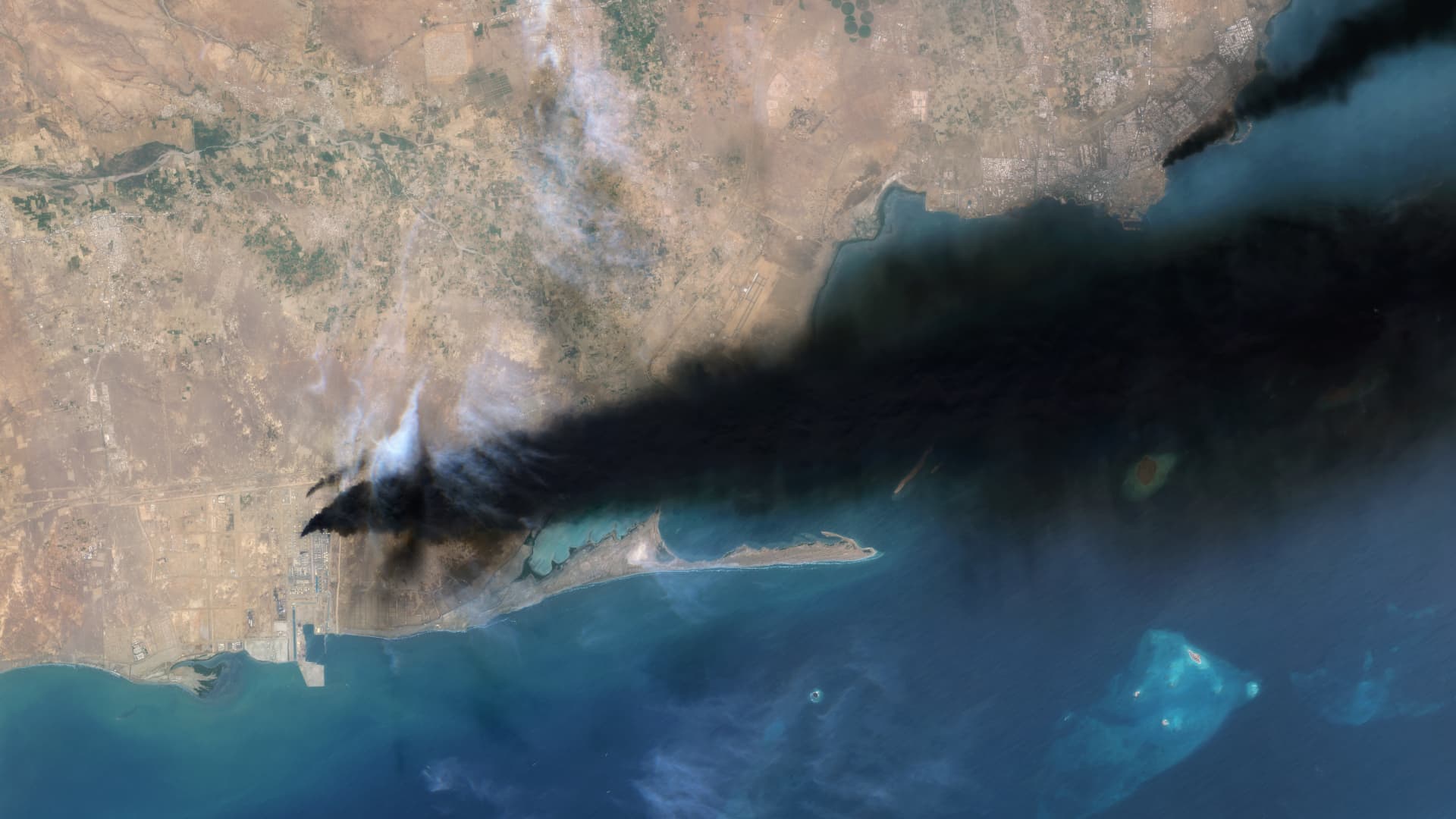
The Saudi Aramco Jazan refinery fire was brought under control early Aug. 9, Saudi Arabia’s Energy Ministry said, with no injuries reported. For investors watching energy infrastructure risk, the immediate unknowns are the fire’s cause and whether it affected refinery operations, neither of which the ministry disclosed.
The ministry said Aramco’s industrial-security teams extinguished the fire at a facility within the refinery in Jazan, on Saudi Arabia’s Red Sea coast near the border with Yemen. Authorities were still completing procedures related to the incident, according to the ministry’s statement.
Yemen’s Houthi movement later said it had struck the refinery with a drone. Houthi military spokesperson Yahya Saree described the alleged attack as a precise strike and said it was in response to what the group called Saudi drone incursions over parts of Yemen, according to The Arab Weekly and Türkiye Today.
The Energy Ministry did not identify what caused the fire. CNBC reported that it had not independently verified the Houthi claim.
What happened at Saudi Aramco’s Jazan refinery?
The confirmed event is a fire at one facility at the refinery that was extinguished, without reported injuries. The available statements do not establish whether the blaze resulted from an attack, what equipment was affected, whether output changed, or whether the site was shut down.
That distinction matters because a claim of responsibility does not by itself establish the cause of an industrial incident. Saudi authorities have reported the fire response and the lack of injuries, while the drone-strike account remains the Houthis’ assertion.
Why the Jazan site matters
Aramco says the Jazan refinery was designed to process as much as 400,000 barrels of crude oil a day. It is integrated with an IGCC, or integrated gasification combined-cycle, plant, a system designed to turn refinery feedstock into power and industrial gases. Aramco says the refinery was designed to make products including gasoline and ultra-light sulfur diesel.
Design capacity is not the same as current production, and none of the reporting supplied a measure of lost output from the Aug. 9 fire.
Recent disruption at the refinery
The incident follows a separate reported attack in late July. Reuters, citing an IIR consultancy note, reported that Aramco shut the refinery on July 27 after damage to the IGCC complex and tank-farm area. That earlier account does not establish comparable damage or another shutdown from the Aug. 9 fire.
Aramco Chief Executive Amin Nasser said last week that recent attacks had caused some production interruptions, but he expected operations to be restored quickly and said the attacks had not had a material operational or financial effect. Reuters reported those comments as a broader assessment, not as an assessment of Sunday’s incident.
This story draws on original reporting from CNBC.


