Shein FTC investigation disclosed as Hong Kong IPO moves ahead
Shein told Hong Kong IPO investors its U.S. business is under FTC investigation, adding a new regulatory risk before listing.
By Jordan Bell · Startups & Deals Reporter
· 3 min read
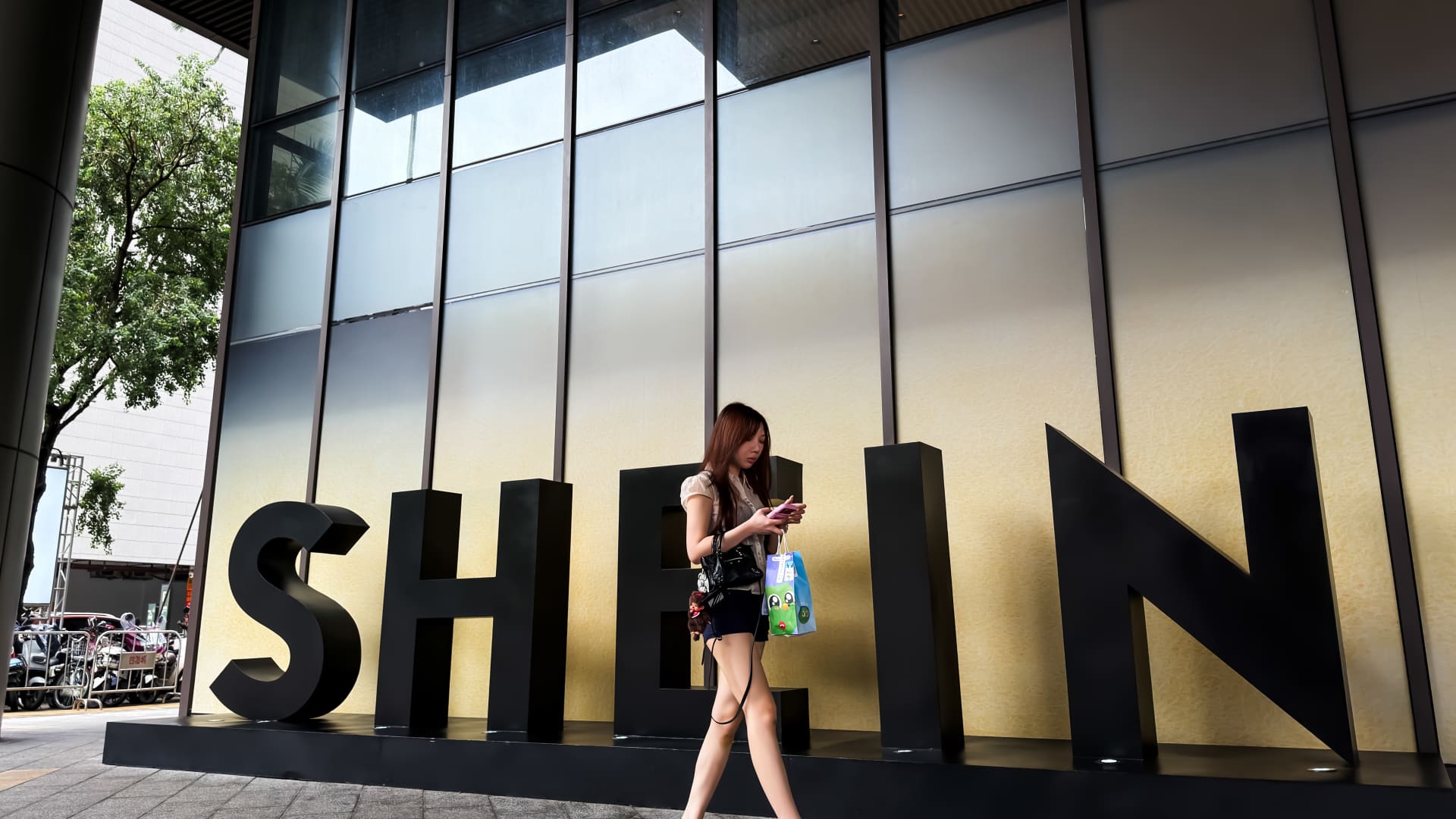
Shein disclosed a Shein FTC investigation into its U.S. business as the fast-fashion company prepares for a Hong Kong initial public offering, adding a fresh regulatory question for potential investors. For retail investors watching the listing, the key issue is whether a U.S. consumer-protection probe could create costs or restrictions after Shein starts trading.
The company made the disclosure in documents filed with the operator of the Hong Kong Stock Exchange, according to CNBC. Shein did not state what the Federal Trade Commission is examining, and CNBC reported that the disclosure appears to be the first public acknowledgement of the probe.
Shein said in the filing that it is cooperating with the FTC. The company also said it cannot predict the result or timing of the investigation and cannot rule out a resolution in the near term.
The filing warned that the outcome, whether through settlement or another result, may require the company to make “significant monetary payments” that could have a material adverse effect on its financial condition and operating results. In plain English, Shein is telling investors that the investigation could become expensive enough to matter to its business.
CNBC reported that Shein and the FTC did not immediately respond to requests for more information.
What is the FTC investigating at Shein?
Shein has not said what conduct the FTC is investigating. The FTC is the main U.S. agency for consumer protection, and it says its job includes stopping deceptive or unfair business practices.
Because the filing does not identify the focus of the probe, investors do not yet know whether the FTC is looking at pricing, privacy, refunds, shipping, marketing, app design or another issue. That uncertainty matters because different types of FTC cases can lead to different remedies, including payments, operational changes or both.
The agency has previously examined companies over issues such as hidden fees, misleading prices, the suppression of negative reviews, shipping and refund practices, and privacy or data practices, according to CNBC. Those examples do not mean Shein is accused of any of those practices in this case.
Why dark patterns are part of the discussion
One FTC area of focus is what it calls “dark patterns.” The agency uses that term for design choices and psychological tactics that can push consumers to spend money or share data, including pre-checked boxes, confusing cancellation rules and disclosures that are hard to find or read.
In a 2022 FTC report on dark patterns, the agency cited countdown timers in general as one example of a common tactic. CNBC noted that Shein’s app is known for features such as countdown timers, gamified discounts and flash sales that are designed to create urgency for shoppers.
That connection is context, not confirmation of the investigation’s subject. The company’s IPO filing did not say whether the FTC probe relates to app design, promotions or any specific consumer-facing practice.
How this fits into Shein’s IPO plans
Shein rose to global prominence after the Covid-19 pandemic and previously sought to go public in the U.S., according to CNBC. The company later pursued London and then Hong Kong after facing political pushback over its business practices.
The Hong Kong listing has recently been approved, CNBC reported, though the timing of the first day of trading remains unclear. An initial public offering, or IPO, is when a private company sells shares to public investors for the first time. Disclosures like this one are meant to show investors legal and financial risks before they decide whether to participate.
For Shein, the FTC disclosure lands at a sensitive moment. The company is trying to convince public-market investors to value a fast-growing retail model while also accepting the regulatory scrutiny that comes with selling to U.S. consumers at large scale.
This story draws on original reporting from CNBC.