Shein IPO in Hong Kong faces valuation doubts after years of delays
Shein has Beijing’s approval for a Hong Kong listing, but analysts say slower growth, tariffs and scrutiny have cooled investor demand.
By Maya Okafor · Markets Writer
· 3 min read
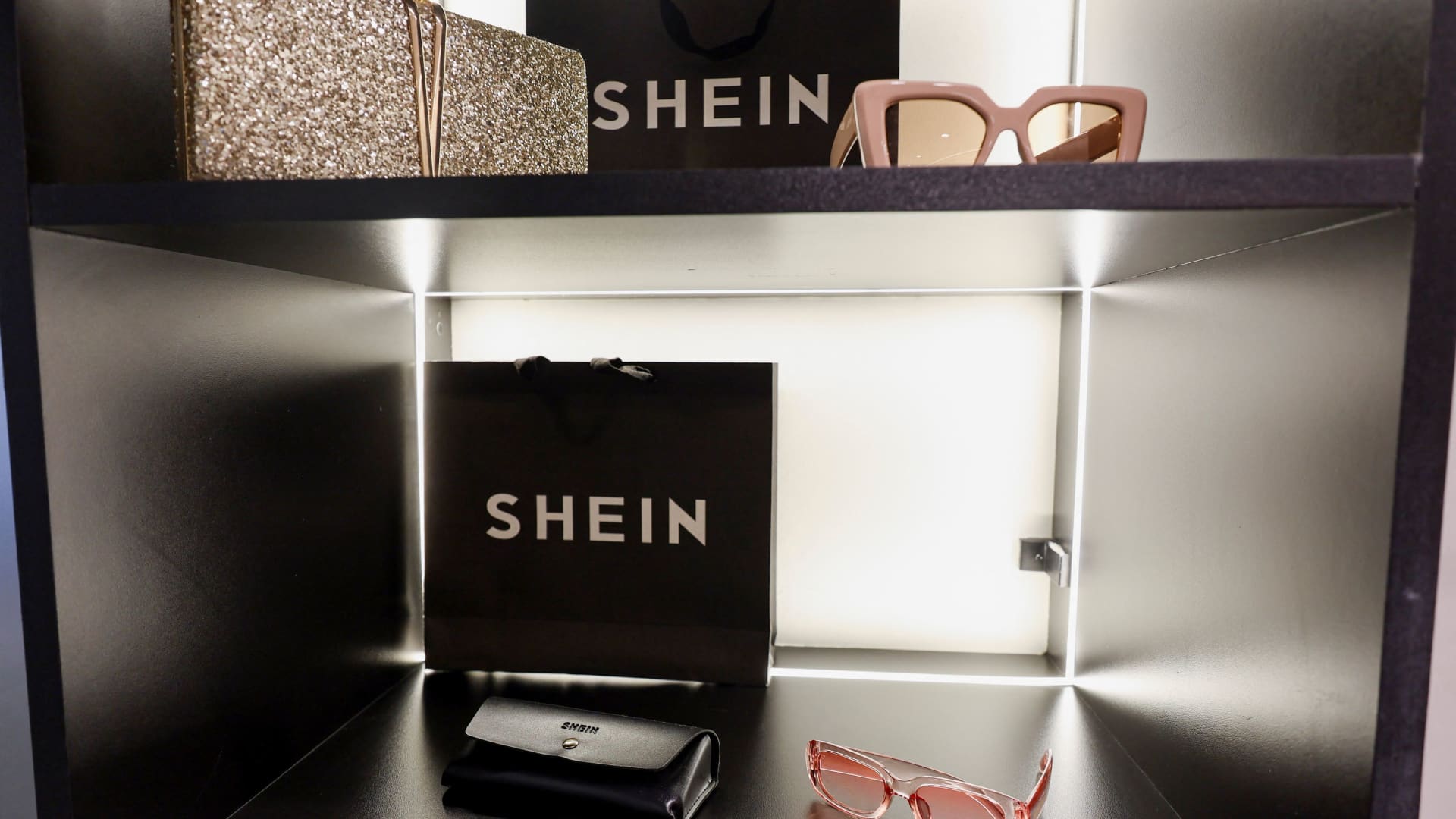
Shein’s IPO in Hong Kong is moving ahead with Beijing’s approval, but the fast-fashion company is approaching public markets at a weaker moment than the one investors once expected. Analysts cited by CNBC say slower growth, regulatory scrutiny and higher import costs have made it harder for Shein to defend the kind of valuation it sought during its private-market peak.
The China Securities Regulatory Commission cleared Shein’s Hong Kong listing earlier this month, according to CNBC, after earlier plans for New York and London did not advance. A filing released Sunday gave investors a closer look at the company’s current pressures, including lower growth, rising costs and investigations in key markets.
Shein reported 2025 revenue of $41.8 billion, up 8% from the prior year, according to the filing. That was a sharp slowdown from 20.7% growth in 2024. In the first quarter of 2026, Shein posted a $99 million loss after the U.S. ended an import-duty break for low-value parcels and the company recorded a large one-time accounting charge.
Why is Shein’s Hong Kong IPO under pressure?
William Ma, chief investment officer at GROW Investment Group, told CNBC that Shein had missed the strongest window to go public. Shaun Rein, managing director at China Market Research Group, also told CNBC that investors and consumers are less enthusiastic about the retailer than they were during its faster-growth years.
Bloomberg reported that Shein is under pressure to lower its valuation target to about $30 billion. That would be far below the nearly $100 billion valuation Shein reached in a 2022 fundraising round and below a $64 billion valuation in 2024, according to CNBC.
For investors, valuation is the core issue. A company’s market capitalization is the stock market’s value of the business, calculated from its share price and share count. Ma told CNBC that even a lower valuation would still look expensive, estimating it at roughly 19 to 25 times fiscal 2025 earnings, compared with about 9 times for PDD and roughly 11 times for established consumer companies in Hong Kong.
Lenny Zephirin, principal and analyst at The Zephirin Group, told CNBC that Shein is being re-rated from a technology-driven fast-fashion platform into a more mature global apparel retailer. He said he expects Shein’s post-listing market value to land in the high-$20 billion to low-$30 billion range.
The company’s public-market venue also reflects a political shift. Shein was founded in Nanjing and moved its headquarters to Singapore in 2022 while building a global brand. CNBC reported that Beijing blocked its London prospectus over supply-chain risk disclosures tied to China. In February, founder Sky Xu said Shein would continue investing in Guangdong and committed more than 10 billion yuan, or $1.4 billion, to a smart supply-chain system in the province.
Shein is also facing more scrutiny from regulators and consumers. The company disclosed Tuesday that its U.S. business is under investigation by the Federal Trade Commission for unspecified reasons and that penalties could be significant, according to CNBC. Investors are also weighing allegations involving working conditions at suppliers, app features criticized by regulators and the environmental cost of shipping high volumes of goods by air.
Consumer Edge analyst Michael Gunther told CNBC that Shein’s U.S. share of apparel, accessories and footwear spending peaked at about 5% in the first quarter of 2025 and has since lost ground. In the U.K., Shein’s share reached a record 7.5%, but year-over-year gains have slowed to almost zero, according to Gunther.
Competition and trade rules are adding pressure. E-commerce analyst Juozas Kaziukenas told CNBC that Temu has shifted toward local sellers with inventory already imported in bulk, while Shein’s model depends on launching many new designs and shipping on demand from China. He also said Shein and Temu paused most advertising spending in Europe after the European Union imposed a 3 euro fee on low-value imports this month. CNBC reported that Shein did not respond to its request for comment.
This story draws on original reporting from CNBC.


