Shipping groups warn Trump’s Hormuz toll could cut traffic further
A proposed 20% U.S. fee on cargo through the Strait of Hormuz is drawing pushback from shipping executives as vessel traffic drops.
By Jordan Bell · Startups & Deals Reporter
· 3 min read
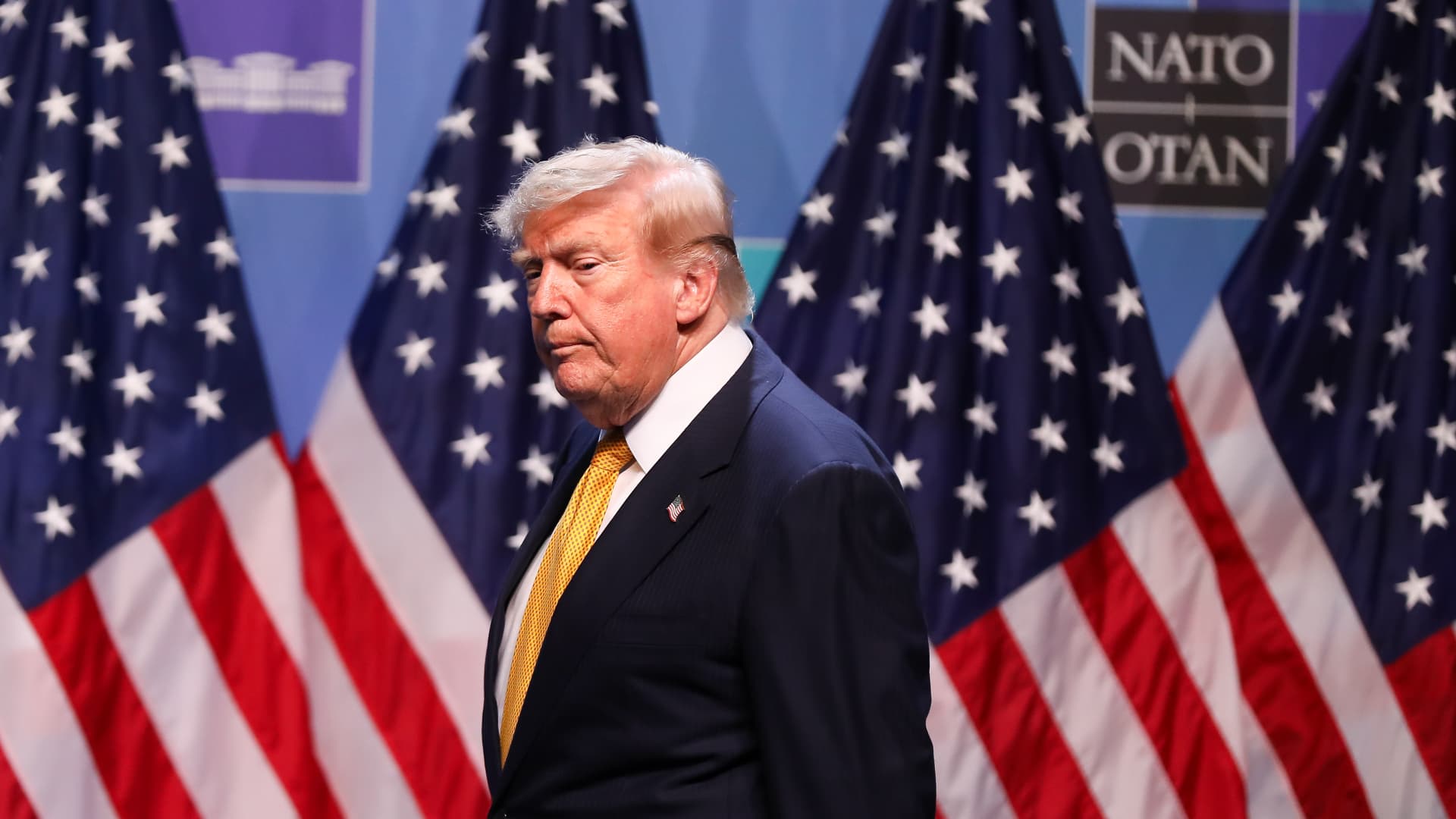
President Donald Trump’s plan to charge commercial cargo moving through the Strait of Hormuz is drawing warnings from the global shipping industry. For investors watching energy and transport costs, the issue is direct: adding a fee to a key maritime route could make companies less willing to use it, especially while security risks remain high.
Trump has proposed a 20% levy, meaning a charge tied to cargo moving through the waterway, for ships passing through Hormuz. He said in a Truth Social post on Monday that the U.S. should be reimbursed for providing safety and security in the area, describing the country as “THE GUARDIAN OF THE HORMUZ STRAIT.”
The Strait of Hormuz is already under pressure. The U.S. and Iran signed a temporary ceasefire deal in mid-June, but CNBC reported that the agreement looked increasingly strained after the two countries traded hostilities for a third straight day on Tuesday. That deal barred Tehran from charging commercial vessels that pass through the strait.
Shipping firms push back
Hapag-Lloyd, a major container shipping company, said charging tolls for passage through international waters is wrong, no matter which country collects the money. The company said fees for routes such as the Suez Canal or Panama Canal are different because those charges are connected to large infrastructure investments. Hapag-Lloyd said that does not apply to Hormuz.
Jakob P. Larsen, chief safety and security officer at the Baltic and International Maritime Council, told CNBC on Tuesday that the proposal to fund security through a cargo levy was “innovative and well-intentioned.” Still, he warned the extra cost would create another reason for ships to avoid the strait unless the threat from Iran falls significantly.
BIMCO, the world’s largest shipping association, said any U.S. tariffs could reduce traffic further through the waterway. That matters because shipping firms weigh both cost and risk when choosing routes. If a route becomes more expensive while also appearing less safe, some operators may delay voyages, reroute cargo or avoid the passage where possible.
Traffic has already fallen
Data from Kpler showed vessel traffic through the Strait of Hormuz dropped sharply on Sunday. Kpler recorded 14 ships crossing the waterway, including four crude tankers, compared with 37 vessels one week earlier.
The toll proposal also marks a shift from Washington’s recent position. Treasury Secretary Scott Bessent said in a May 28 post on X that all nations should reject efforts by Iran to interfere with the free flow of commerce. The Trump administration had also threatened to impose sanctions on Oman if it helped Iran set up a tolling system, according to Bessent’s post.
Iranian Foreign Minister Abbas Araghchi responded to Trump’s plan on social media Monday. Araghchi said Trump was “absolutely right” that whoever guarantees safe passage through Hormuz should be compensated, then added that Iran has been and will remain the strait’s guardian. He also said 20% was “too much” and that Iran would be fair.
The dispute leaves shipping companies facing a familiar calculation with a new cost attached: whether the security situation, potential fees and political risk make Hormuz worth using in the near term.
This story draws on original reporting from CNBC.


