Trump’s Hormuz fee plan puts oil supply risk back on traders’ radar
A proposed 20% charge on cargo through the Strait of Hormuz is raising concern that oil supply forecasts may be too calm.
By Theo Nakamura · Staff Writer
· 3 min read
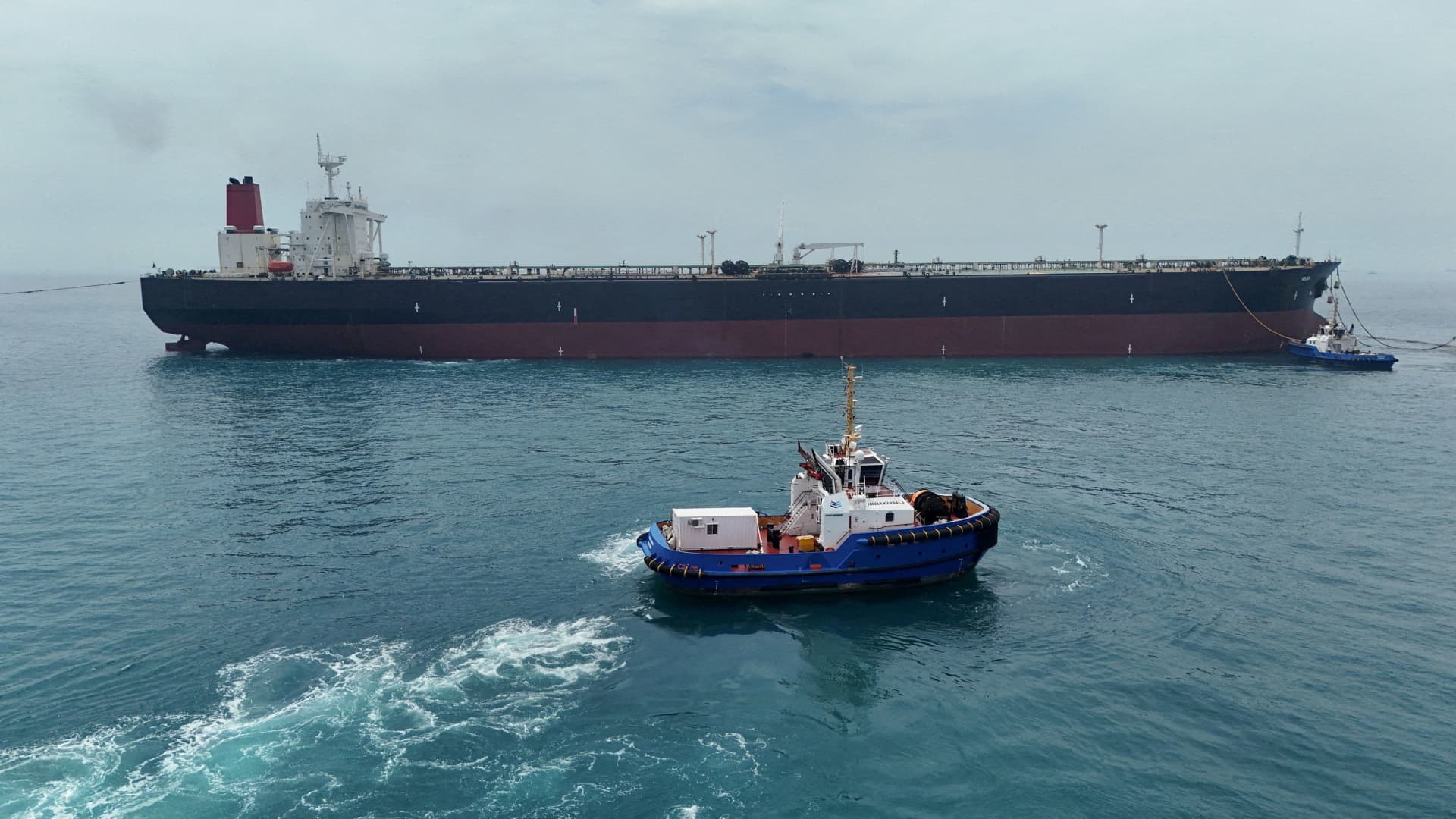
President Donald Trump’s proposal to charge a 20% fee on cargo moving through the Strait of Hormuz has pushed oil supply risk back into focus. For everyday investors, the key issue is not only a higher shipping bill, but the chance that renewed conflict could interrupt one of the world’s most important oil routes.
The Strait of Hormuz is a narrow waterway linking the Persian Gulf with global markets. If tankers cannot move through it, crude oil that would normally be exported can get stuck near production sites, which can tighten supply and lift prices.
Andy Lipow, president of Lipow Oil Associates, told CNBC’s “Squawk Box Asia” that oil market expectations had improved after the U.S. and Iran signed a memorandum of understanding last month. A memorandum of understanding, often shortened to MoU, is an agreement that outlines shared intentions, though it is not the same as a full treaty.
Lipow said those expected surpluses are now at risk, especially if the strait closes again. An oil surplus means supply is expected to exceed demand, a setup that usually weighs on prices. Lipow estimated that a 20% fee, if applied to crude cargoes, would add roughly $16 per barrel to oil shipped through Hormuz. He also noted that the Trump administration has not yet explained exactly how the charge would work.
Oil prices rose as investors priced in that uncertainty. U.S. West Texas Intermediate crude futures for August delivery climbed 2.27% to $79.91 per barrel, while Brent crude futures for September delivery rose 2.14% to $85.11. Brent is the main international oil benchmark, while WTI is the main U.S. benchmark. A futures contract is an agreement to buy or sell a commodity at a set price on a future date.
Why the market is looking beyond the fee
Citi analysts warned in a Tuesday note that putting the fee into effect could raise the risk of a broader military confrontation in the near term. Citi also said the chance has increased that Iran could step away from the MoU until after the U.S. midterm elections, a scenario the bank said would most likely keep oil prices elevated for longer.
Henry Hoffman, co-portfolio manager at Catalyst Energy Infrastructure Fund, told CNBC that the fee itself supports oil prices in the short run, but the larger concern is the potential for physical supply losses. That means actual barrels failing to reach the market, rather than oil becoming more expensive to transport.
Shipping data shows why investors are paying attention. Vessel traffic through the Strait of Hormuz dropped sharply on Sunday, according to Kpler data cited by CNBC. Only 14 ships crossed the waterway, including four crude tankers, compared with 37 vessels one week earlier.
Hoffman said reduced traffic can create a second-order problem. If exporters cannot move crude out of the Gulf and storage tanks fill, producers may have to temporarily cut production. In that case, the market could lose more supply than would be visible by looking only at damaged infrastructure.
Surplus forecasts face a new test
The International Energy Agency said last week that it expected the oil market to return to surplus toward the end of 2026. That outlook depended partly on tanker traffic through Hormuz gradually recovering.
Hoffman also pointed to timing risk in Asia. Saudi Arabia recently cut the price of its main Asian crude grade by $11 per barrel, moving it to a $1.50 discount against the Oman/Dubai benchmark, according to Reuters. Hoffman said that lower price could encourage Chinese refiners to buy more after imports fell during the initial disruption.
If Asian demand improves at the same time Middle Eastern supply becomes less reliable, the market’s cushion could shrink. That is why a proposed toll on cargo has become a broader oil-market story: the fee is measurable, but the supply risk around Hormuz is harder for investors to price.
This story draws on original reporting from CNBC.


