Situational Awareness hedge fund collapse cleared tech selling, Cramer says
Jim Cramer said the fund’s forced unwind removed a seller from tech stocks, though the link to the rally remains his market view.
By Maya Okafor · Markets Writer
· 3 min read
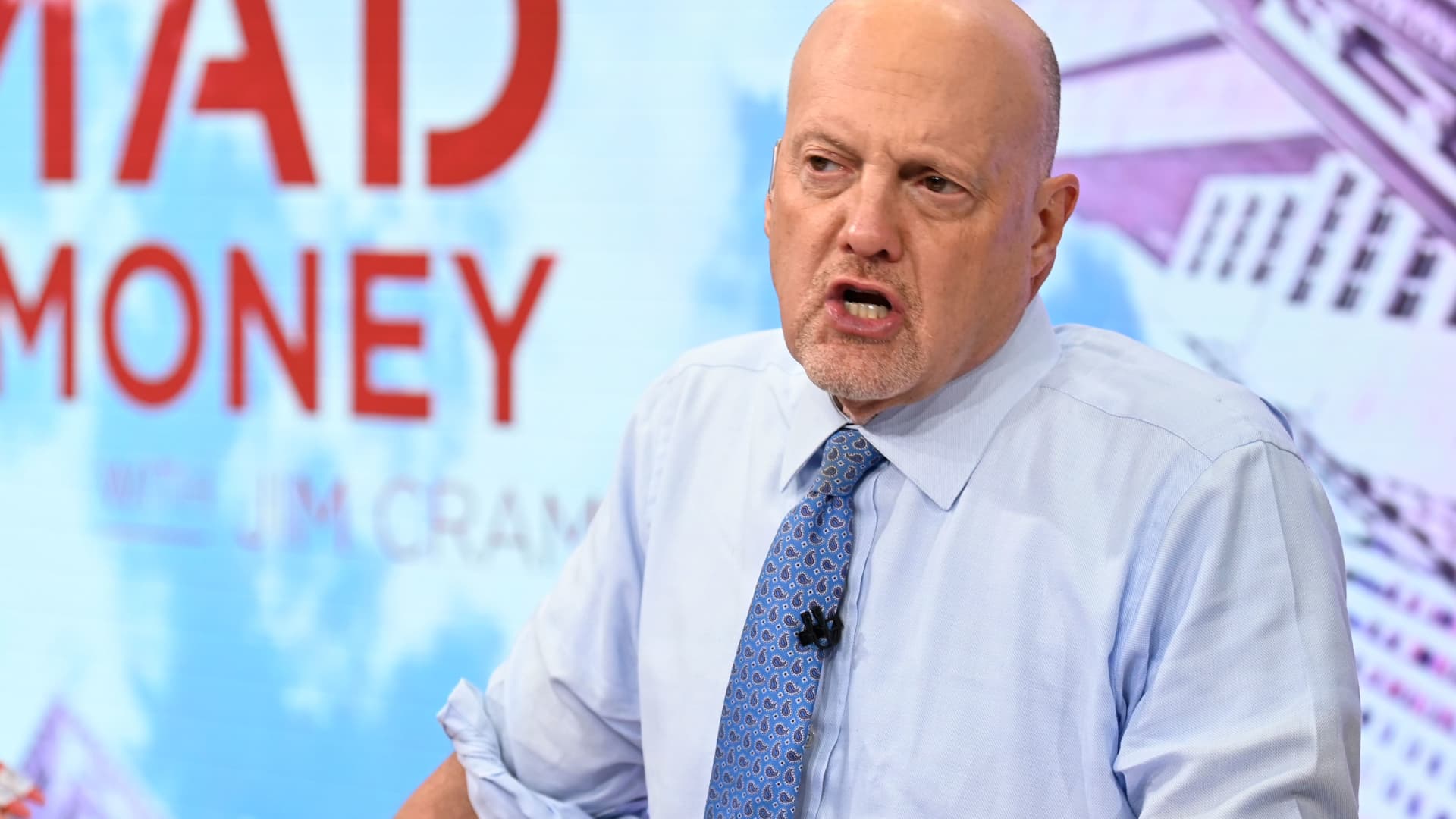
The Situational Awareness hedge fund collapse removed a major source of forced selling in technology stocks, CNBC’s Jim Cramer said Tuesday. For investors, the distinction matters: Cramer’s explanation is a view of why the market improved, not proof that the fund’s liquidation caused the rally.
Situational Awareness was an AI-focused hedge fund founded by former OpenAI researcher Leopold Aschenbrenner. CNBC reported that the fund had to unwind its highly leveraged portfolio after steep losses. Cramer said the exit, along with sales by investors who had copied its positions, had weighed on AI-related shares.
Why did the Situational Awareness hedge fund collapse affect tech stocks?
The fund had taken what CNBC described as a long-hardware, short-software position. It owned AI-infrastructure companies, including Micron, while betting against software companies it viewed as exposed to AI disruption.
Leverage means using borrowed money to increase the size of an investment. It can boost gains, but it also magnifies losses. When a trade moves the wrong way, a broker can issue a margin call, requiring an investor to add cash or reduce positions. CNBC reported that Situational Awareness was forced to sell holdings to meet such a call after its trade reversed.
Forced sellers may need to sell regardless of whether they think a stock is attractive at that price. Cramer’s argument is that this kind of price-insensitive selling had pushed some tech names lower than company results warranted. Once that liquidation ended, he said, earnings and business fundamentals could again have more influence on share prices.
CNBC’s earlier account illustrated the sharp moves around the trade. Through the Wednesday before its July 30 report, Micron had declined 39% from its June 25 record high, while Adobe had gained 36%. The next day, Micron rose 18% and Adobe fell 6%, according to CNBC. Those moves do not by themselves establish that the fund drove the market, but they show how quickly the hardware-software trade changed direction.
What did Cramer cite as evidence of a software rebound?
Cramer pointed to ServiceNow. He said the enterprise-software company reported strong late-July results and its shares rose afterward, rather than falling as they had following prior quarters. In his view, that response helped spread a rebound across software stocks.
For much of the year, Cramer said investors had favored AI infrastructure while betting against software companies over fears that AI could reduce their pricing power. He now believes the end of forced selling has put corporate results back at the center of the market’s decision-making.
Cramer’s broader takeaway was about risk rather than a call on any particular stock. He urged individual investors to avoid buying stocks on margin, arguing that borrowed money can turn a manageable market decline into a forced sale at an unfavorable time.
This story draws on original reporting from CNBC.


