Situational Awareness hedge fund collapse prompts BofA leverage warning
Bank of America CEO Brian Moynihan said the fund’s forced stock sale is a warning about lofty valuations and borrowed money.
By Maya Okafor · Markets Writer
· 3 min read
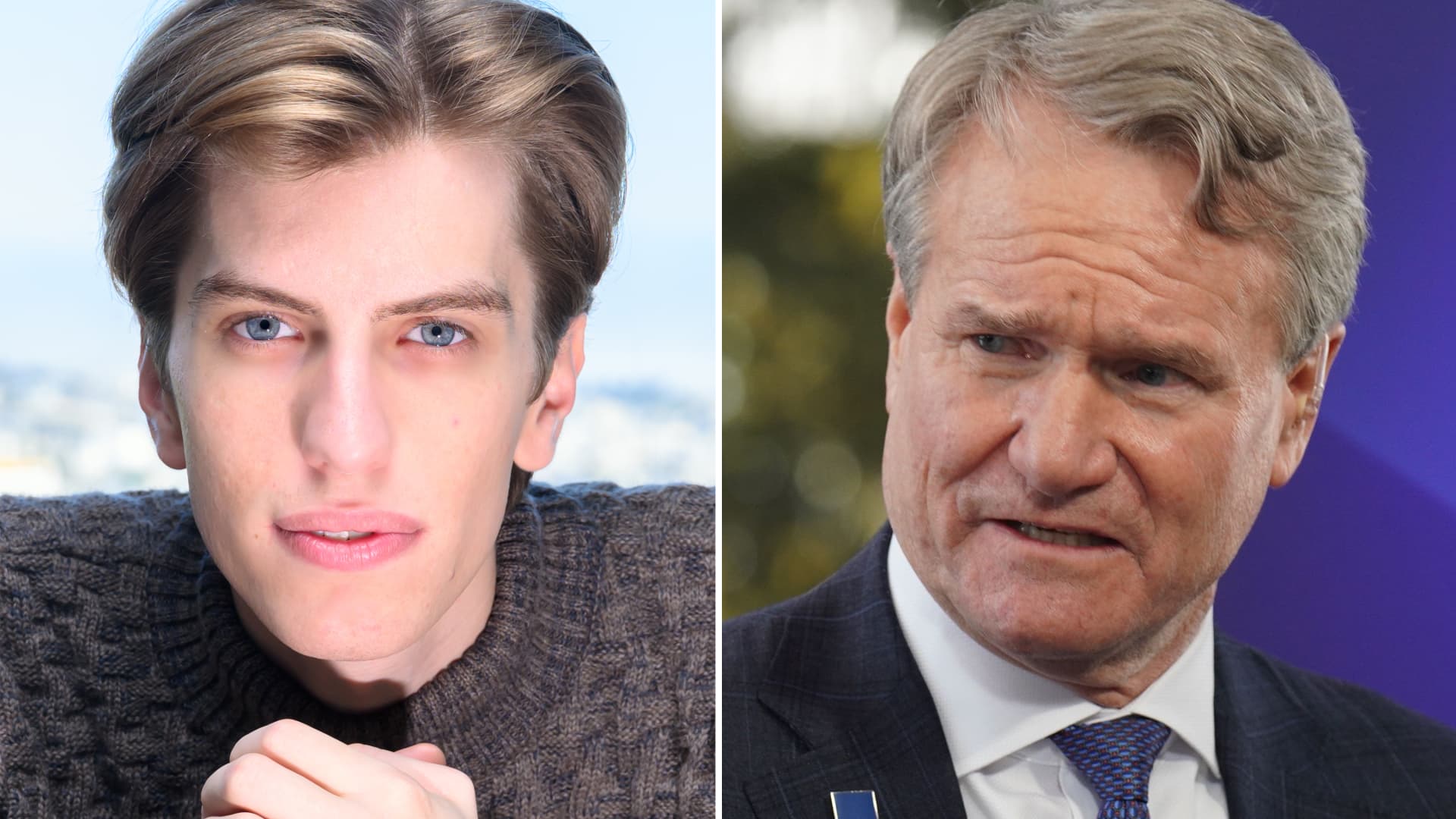
The Situational Awareness hedge fund collapse has prompted a warning from Bank of America CEO Brian Moynihan about the risks that can build when rising asset prices meet heavy borrowing. For everyday investors, the episode is a reminder that sharp moves in a popular part of the market can be amplified when professional investors have financed their positions with debt.
Moynihan told CNBC on Wednesday that the near-collapse of the AI-focused fund, run by Leopold Aschenbrenner, was among the market’s “warning shots.” He linked the risk to elevated valuations and leverage, meaning borrowed money used to increase the size of an investment position.
“Valuations get out, leverage in the system gets there. You have to be careful,” Moynihan said in the CNBC interview.
What happened to the Situational Awareness hedge fund?
Situational Awareness was forced to sell its leveraged public-stock positions to Citadel at a discount after semiconductor shares fell and the fund faced margin calls, CNBC reported. A margin call occurs when a lender demands more cash or collateral after the value of debt-financed investments drops. If the investor cannot meet that demand, positions can be sold, often under pressure.
CNBC, citing people familiar with the matter, reported that the fund’s assets had fallen from a $45 billion peak earlier in July to about $10 billion by July 31. The report said the fund had held positions including SK Hynix and CoreWeave, and that outside reports put its leverage at as much as 400%. Those figures were not independently confirmed by the fund, which did not immediately respond to CNBC’s request for comment.
The Wall Street Journal also reported that Aschenbrenner had borrowed heavily for AI-related investments and sought cash as the portfolio’s value declined.
How was Bank of America involved?
Bank of America was one of Situational Awareness’ prime brokers, according to CNBC, alongside Goldman Sachs and JPMorgan Chase. A prime broker is a bank that provides services to hedge funds, including trade execution and financing.
Moynihan said Bank of America would have been “fine” even without Citadel’s transaction. CNBC reported that the deal gave Situational Awareness capital to repay its banks. Moynihan did not disclose Bank of America’s exposure to the fund or any loss tied to the episode.
His response pointed to a narrower lesson than a claim of broad market distress: lenders should examine how they assess risk after major stock rallies. “You always look and say, ‘OK, what happened? Should we learn from it? Should it change?’” Moynihan said.
He added that the usual response is to tighten underwriting standards “just a hair,” especially after substantial advances in stocks. Underwriting standards are the rules a lender uses to decide how much financing to extend and what collateral it requires.
CNBC suggested the comments may signal that prime brokers are reviewing their exposure to highly leveraged investment firms. No industry-wide policy changes or actions by other banks were documented in the available reporting.
This story draws on original reporting from CNBC.


