South Korea infant investment accounts rise as parents plan early
Accounts for babies and children are climbing at South Korean brokerages, driven by market gains, gift rules and easier mobile sign-ups.
By Dev Ramirez · Crypto Correspondent
· 3 min read
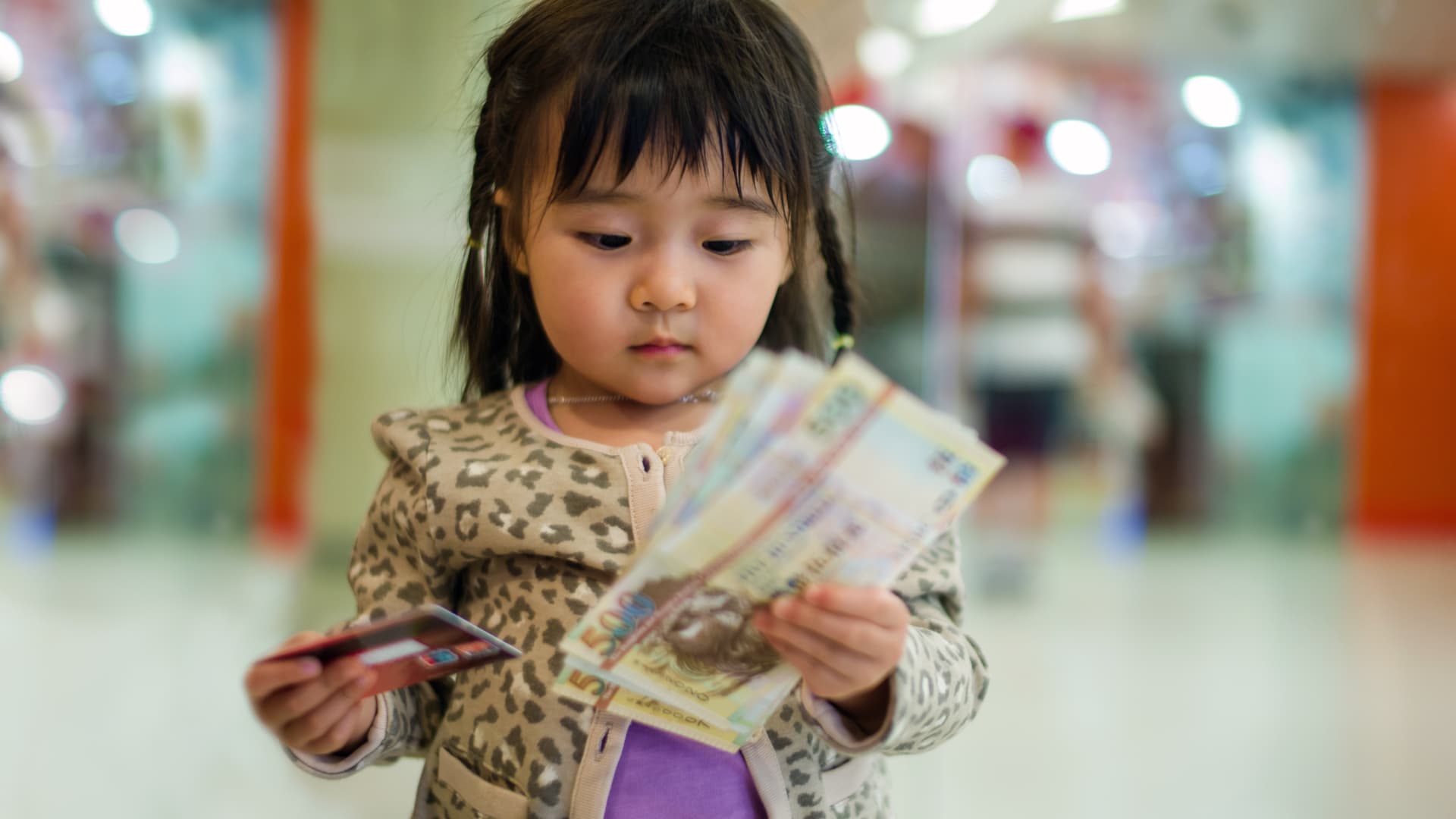
South Korea infant investment accounts are rising as parents use brokerage accounts, including for newborns and infants, to set aside money for future education, housing or inheritance. For everyday investors, the trend shows how a long investing timeline, a strong market and tax rules can change how families save, while leaving them exposed to market and compliance risks.
Mirae Asset Securities said accounts held by children younger than one nearly tripled from a year earlier to about 15,000 in June, CNBC reported. The same brokerage said new accounts for children aged 0 to 9 rose nearly 60% to about 185,000, excluding duplicates.
Those numbers should not be read as a nationwide count. They measure different groups and periods at one firm. Separately, The Korea Times reported that Korea Investment & Securities, Mirae Asset Securities and Shinhan Securities opened a combined 229,448 accounts for minors in 2025. Their monthly openings rose from 11,873 in January to 34,590 in December.
Why are South Korean parents opening investment accounts for children?
Parents interviewed by CNBC described a long-term approach: putting money away early so it has more time to be invested. One family said it invests 300,000 won to 400,000 won each month in U.S. exchange-traded funds, mainly funds tracking the S&P 500. An ETF is a fund that holds a basket of investments and trades on an exchange, though its value can still fall.
The market rally has added momentum. CNBC and The Korea Times both tied the increase in youth accounts to South Korea’s rising stock market. Parents are also using brokerage accounts for early transfers of family wealth, while some are looking outside the domestic market because Korean equities have been volatile, CNBC reported.
Tax treatment is part of the appeal, according to CNBC and The Korea Times. Parents may give a minor up to 20 million won in cash or stocks tax-free during each 10-year period, under the rules cited by those outlets. Amounts above that threshold can face gift tax. ChosunBiz reported that the gift-tax value is set when the asset is transferred, meaning subsequent gains on an investment do not increase the original gift-tax base.
That does not make every child’s account a tax solution. The Korea Times reported that the National Tax Service can scrutinize accounts if parents are effectively controlling them, and frequent trading could lead authorities to view an account as held in a borrowed name. The agency said tax treatment depends on the real source of funds and who controls the account.
What made child accounts easier to open?
Financial authorities changed guidelines in 2023 to allow guardians to open minors’ brokerage accounts remotely by smartphone rather than visiting a branch, CNBC and ChosunBiz reported. Nomura economist Jeong-woo Park told CNBC that the change removed a practical barrier. Broker promotions may also be contributing: CNBC reported that KakaoPay Securities planned to offer 100,000 won in stock to each infant born the following year, a company promotion rather than government support.
The accounts also sit within a more speculative broader market environment. Reuters reported that the KOSPI more than doubled in six months before suffering several declines of more than 10% over a matter of weeks, while regulators moved to bar new listings of leveraged ETFs tied to individual stocks. That context does not mean infant accounts use leverage, but it underscores that a child’s long timeline does not remove the risk that stocks can decline.
This story draws on original reporting from CNBC.


