Southwest jet fuel shipment sent Texas supply to Los Angeles
Southwest moved 12.6 million gallons of jet fuel by ship to Los Angeles as West Coast supply worries pushed airline costs higher.
By Maya Okafor · Markets Writer
· 3 min read
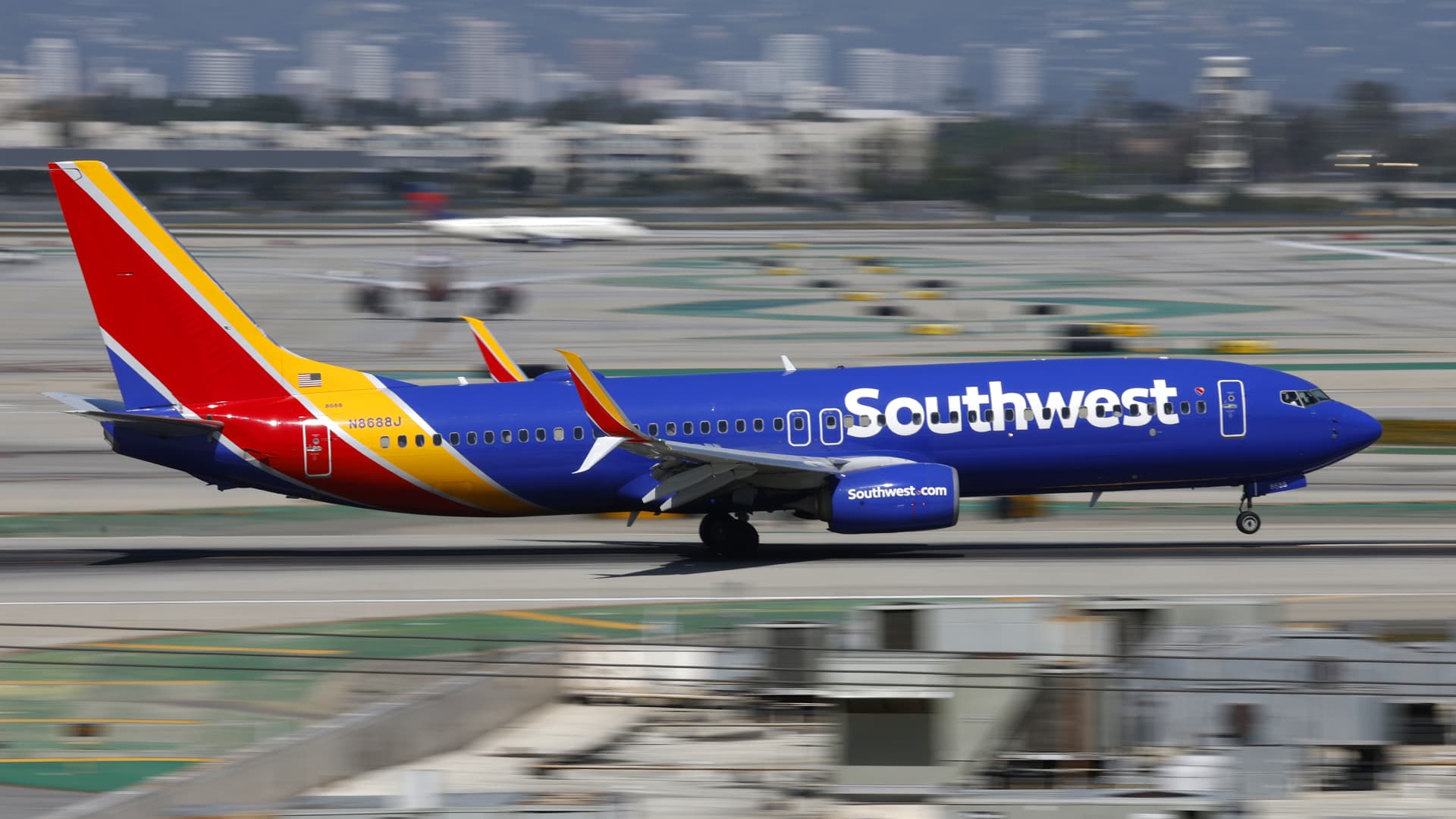
The Southwest jet fuel shipment from Texas to Los Angeles shows how energy stress can hit airlines well before passengers see it in ticket prices. Southwest Airlines sent 12.6 million gallons of jet fuel by ship this spring as West Coast supply concerns grew, the company told CNBC.
Southwest Chief Financial Officer Tom Doxey told CNBC the Dallas-based carrier hired a vessel to move the fuel from Houston through the Panama Canal to Los Angeles, where it arrived May 28. Doxey said the cargo amounted to about a week of supply for the West Coast during a period when supply was tight and risk was elevated.
The move was a first for Southwest, according to CNBC. It also gives retail investors a plain example of why airline earnings can swing when fuel markets get stressed. Jet fuel is the industry’s largest cost after labor, and higher fuel bills can pressure profit unless airlines cut capacity, raise fares or find savings elsewhere.
Why did Southwest ship jet fuel to California?
Southwest moved the fuel because California and the broader West Coast depend more heavily on imported supply than other U.S. regions, according to CNBC. That dependence became a bigger issue after jet fuel prices rose and became more unstable following U.S. and Israeli strikes on Iran in February.
Southwest said its second-quarter fuel expense increased by nearly $900 million from a year earlier. For scale, the airline used 564 million gallons of jet fuel in the latest quarter, according to CNBC’s report on the company’s results.
The airline said it relied on a Jones Act waiver for the shipment. The Jones Act is a 1920 law that generally requires cargo moving between U.S. ports to travel on U.S.-built, U.S.-owned and U.S.-crewed ships. President Donald Trump waived that requirement in March as fuel prices climbed after the start of the Iran war and shipping disruptions developed around the Strait of Hormuz, a key transit route, CNBC reported.
A Southwest spokesman told CNBC that fears over supply have eased. Those concerns had intensified as countries limited exports this year because they worried about running short of fuel themselves.
How fuel prices are flowing through airline earnings
Fuel costs have been a bigger earnings problem across the sector this year. United Airlines said last week that it was using the most recent fuel prices available for its quarterly forecasts because prices have been so unstable, according to CNBC.
United said in a July 15 report that higher jet fuel prices increased costs by $575 million in the third quarter alone. The carrier said that represented a $1.12 hit to adjusted earnings.
Airlines once used fuel hedges, which are financial contracts designed to lock in future fuel costs. CNBC reported that U.S. carriers have largely moved away from those hedges over roughly the past decade as domestic supply kept prices lower.
Airlines have also trimmed capacity growth plans, which can support higher fares by limiting the number of seats available. Executives this month said demand has remained strong despite higher ticket prices, and they expect those fares to hold this year, according to CNBC.
This story draws on original reporting from CNBC.