Space data center insurance faces a difficult pricing test
SpaceX and Blue Origin plans could create new assets for insurers, but losses in orbit remain hard to model and price.
By Maya Okafor · Markets Writer
· 3 min read
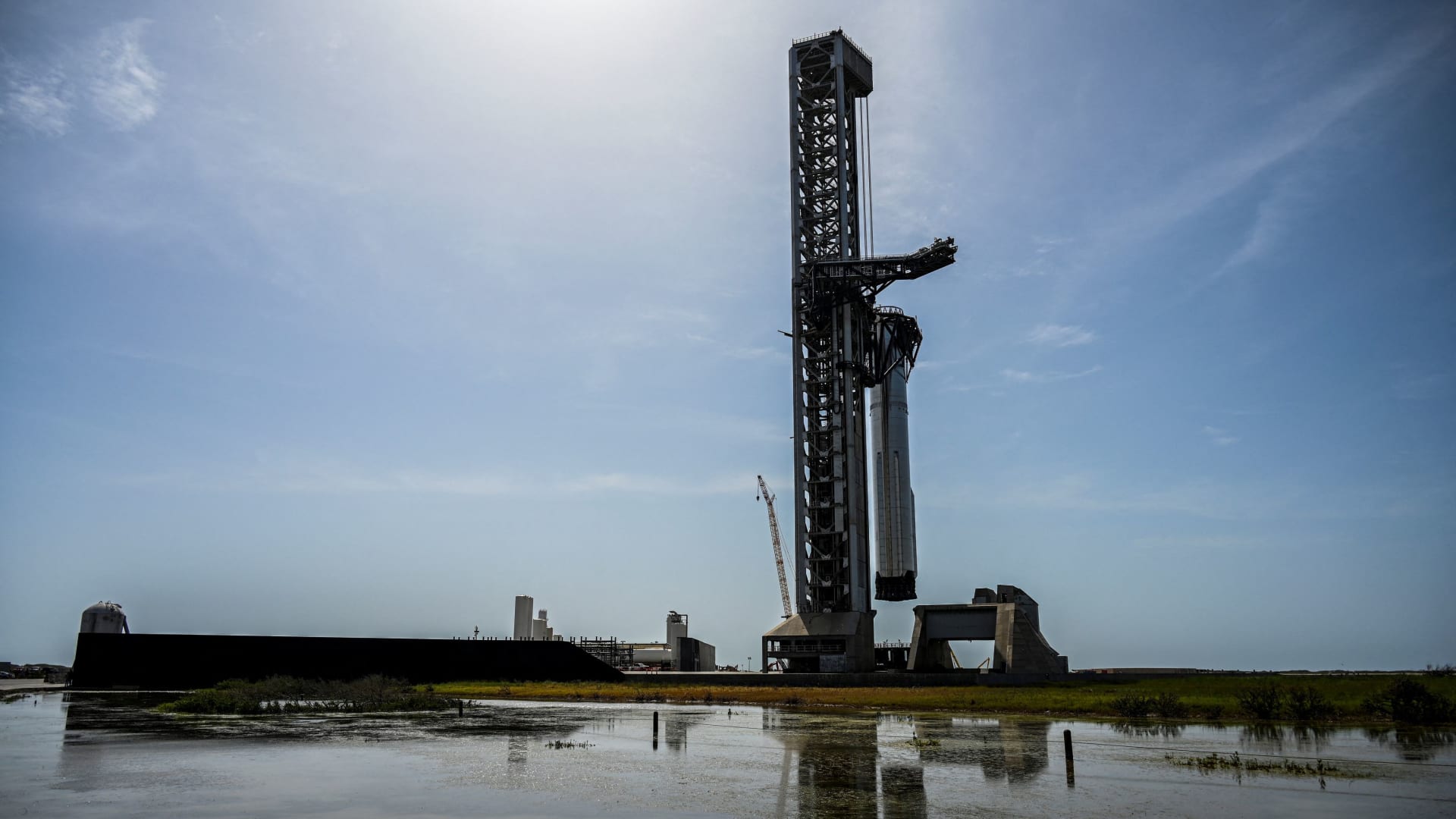
Space data center insurance is emerging as a potential new line of business as companies outline plans to put computing hardware into orbit. For investors following the rush to build AI infrastructure, the key point is that ambitious launch plans do not yet amount to an established insurance market, because insurers still need to determine what losses could cost and how often they may occur.
SpaceX filed with the Federal Communications Commission in January for a proposed constellation of as many as 1 million satellites that could form an orbital AI data center, CNBC reported. Blue Origin filed plans in March for 51,600 data-center satellites in low Earth orbit. Google is exploring its Project Suncatcher concept, while Starcloud has flown an Nvidia H100 graphics processor in orbit, according to CNBC.
Those projects are proposals and experiments, rather than proof that large-scale orbital computing is commercially operating. Elon Musk has argued that solar-powered computing in space could become less expensive than terrestrial data centers within two to three years as launch costs decline and Earth-based power costs rise. Jeff Bezos told CNBC that data centers in space are realistic, but said that timetable was ambitious.
Why is space data center insurance hard to price?
Insurance works by estimating the likelihood and size of potential claims, then charging a premium that can cover those claims and leave the insurer with a sustainable business. Space insurers already cover satellite and launch risks, but an orbiting data center would combine that established exposure with continuously operating, compute-heavy hardware for which there is little experience at scale.
CNBC identified launch failures, radiation, equipment breakdowns, heat-management problems, collisions and space debris as potential hazards. A failed component is also harder to address than it would be in an Earth-based facility: repair or replacement could require another launch.
Andreas Berger, the group chief executive of reinsurer Swiss Re, told CNBC that the combination of commercial space and AI infrastructure raises questions about regulation, available insurance capital and premiums. He said the unknowns were too extensive for insurers to quantify the risk with sufficient confidence to offer sustainable coverage.
An existing market, but a limited baseline
Patton Kline, who leads Marsh's U.S. aviation and space practice, said orbital computing could extend the space-insurance business that has covered launches and satellites for decades. He estimated that about 30 insurers worldwide specialize in space coverage, generating roughly $500 million to $750 million in annual premiums.
Kline described the sector as a potential growth opportunity for insurers that currently focus on assets on Earth. He also said space risks are largely separate from losses caused by terrestrial catastrophes such as hurricanes and earthquakes, a feature that can matter when insurers seek to spread risk across different types of exposure.
The immediate underwriting challenge is less about declaring a winner in orbital computing than developing evidence on failure rates, replacement costs and the rules governing the activity. Until insurers can translate those variables into credible premiums and sufficient coverage capacity, the proposed infrastructure remains a difficult risk to insure at scale.
This story draws on original reporting from CNBC.


