SpaceX calls off Starship test as shares slip below IPO price
SpaceX halted a planned Starship launch in Texas after an engine-start issue, adding pressure to shares that recently fell under their $135 IPO price.
By Jordan Bell · Startups & Deals Reporter
· 3 min read
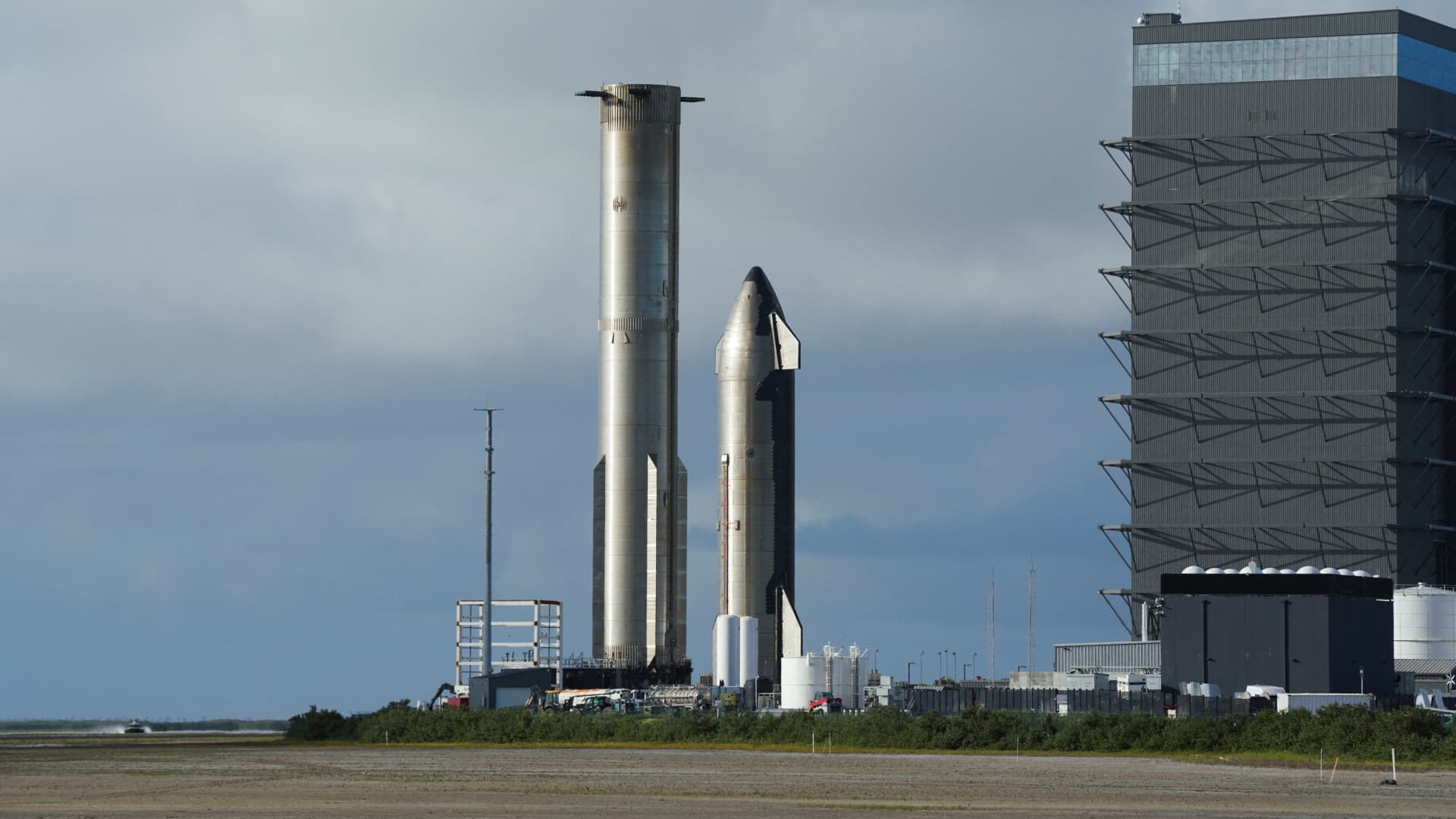
SpaceX stopped a planned Starship test flight Thursday after an engine-start problem, a setback investors are watching because the rocket sits at the center of the company’s Starlink and NASA ambitions. Shares fell more than 3% in extended trading after closing below their $135 initial public offering price, CNBC reported.
The launch attempt was scheduled from SpaceX’s Starbase site in South Texas. A 90-minute window opened at 6:45 p.m. ET, but the company soon said on its livestream that it would stand down for the day.
Elon Musk, SpaceX’s CEO, wrote on X that “some of the engines didn’t start,” which triggered an automatic abort. He said the company would try again “hopefully in a few days.”
A SpaceX employee said during the company’s livestream that a hold was triggered on the booster and that the engines shut down as they were beginning to ignite. In rocket launches, an abort is a safety stop before or during the launch sequence when systems detect a problem. A scrub means the launch is called off for that attempt.
Why the test flight matters
The planned mission would have used Starship V3, an upgraded version of SpaceX’s roughly 400-foot-tall rocket. Starship is designed to be reusable, meaning major pieces of the vehicle are intended to fly more than once rather than be discarded after launch.
For investors, Starship is more than a science project. CNBC reported that the rocket is viewed as central to SpaceX’s plan to expand Starlink, its satellite internet service, and to carry out Artemis test flights with NASA as the agency works toward its next moon landing.
SpaceX said the mission was set to carry 20 working next-generation Starlink satellites. According to the company, the satellites were expected to deploy solar arrays and antennas, attempt to connect with the broader Starlink network, and then burn up during reentry about 20 minutes after deployment.
Previous mishap drew FAA review
The Thursday attempt followed a May Starship V3 test launch that lifted off successfully but ran into trouble later. Several engines in the lower stage failed to reignite for a controlled, soft landing, and the booster fell into the Gulf of Mexico, CNBC reported.
The Federal Aviation Administration then required SpaceX to investigate the event. On Monday, the FAA said it had cleared Starship to fly again.
In a statement, the FAA said the final mishap report identified two most probable causes for the Super Heavy booster loss: heat effects on propulsion system components during ascent and incorrect engine alarm system settings. The agency said SpaceX identified four corrective actions, including hardware and software changes, aimed at preventing the event from happening again.
Stock stays under pressure
SpaceX shares have been volatile since the company’s June IPO. CNBC reported that the stock surged after listing, then retreated, briefly falling below the $135 offering price on Wednesday.
The decline continued Thursday, with shares down more than 3% to close at $131.11, according to CNBC. The stock then dropped more than 3% in extended trading after the scrubbed launch, leaving it further below the IPO price and on a five-day losing streak.
SpaceX raised $85.7 billion in the IPO, including the underwriters’ option, CNBC reported. The offering was the largest IPO on record, making every high-profile technical test an unusually visible moment for the newly public rocket company.
This story draws on original reporting from CNBC.