Deoleo says olive oil market is stabilizing after price shock
The Bertolli and Carbonell maker says Spain’s stronger harvest is easing raw material costs and helping bring supermarket prices down.
By Dev Ramirez · Crypto Correspondent
· 3 min read
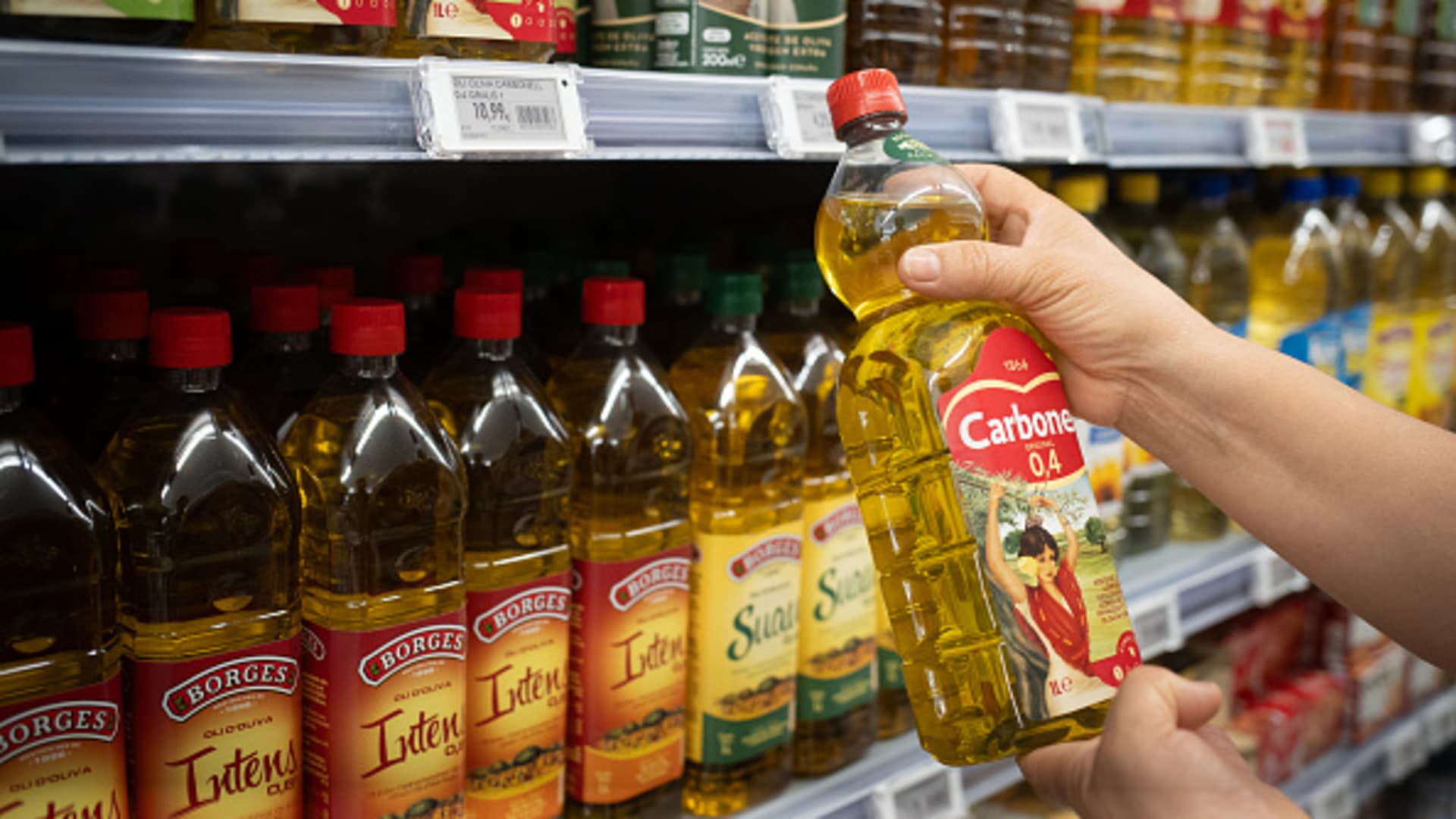
Olive oil’s price squeeze is starting to ease, according to Deoleo, the Spanish company CNBC identifies as the world’s largest olive oil producer. For shoppers and investors watching food inflation, the signal is straightforward: more supply from Spain is feeding through to lower costs before the bottle reaches the supermarket shelf.
Deoleo CEO Cristóbal Valdés told CNBC by email that the olive oil industry is recovering after two weak harvest seasons created one of the toughest stretches the sector has faced. Those poor yields tightened the availability of raw olives and oil, while extreme weather linked to climate change, high interest rates and strong inflation pushed prices sharply higher last year, CNBC reported.
Deoleo makes well-known olive oil brands including Bertolli and Carbonell. Valdés said the situation has shifted as Spain’s latest crop improved supply and lowered the price Deoleo pays for raw material.
“While some volatility may persist, we believe the trend towards normalization will hold,” Valdés told CNBC.
Spain’s crop reset the supply picture
Olive oil is heavily tied to Mediterranean production, with Spain, Italy and Greece among the leading producers, according to CNBC. Spain carries extra weight because it is the European Union’s biggest olive oil producer and helps set the global pricing tone.
Spain produced 1.41 million metric tons of olive oil in the 2024/2025 crop year, the country’s Ministry of Agriculture, Fisheries and Food said. That was up about 65% from 855,600 metric tons a year earlier, although CNBC noted the total came in slightly below prior forecasts.
That matters because commodity prices usually respond to the balance between supply and demand. A larger crop means processors and brands have more oil available to buy. When supply pressure eases, “prices at origin,” meaning prices closer to the producer level before packaging, shipping and retail markups, can fall.
Valdés told CNBC the stronger Spanish harvest has already led to a 50% decline in raw material prices. He said that drop has helped stimulate demand and allowed Deoleo to reduce shelf prices for consumers.
Deoleo expects steadier costs in late 2025
Deoleo told CNBC it expects raw material prices to stay more contained through the second half of 2025. Valdés described the company’s outlook as “cautiously optimistic” and said he expects a more balanced market, with pricing and value playing a role in keeping the category healthy over time.
The company is also putting more money behind its brands. Valdés said improved conditions have allowed Deoleo to double its advertising and promotional investment to 10 million euros, equal to $11.63 million.
Tariffs remain part of the broader cost picture. Before the U.S. and European Union agreed to a 15% tariff rate for most EU goods starting Aug. 1, Valdés told CNBC that Deoleo planned to increase communication, marketing and consumer engagement efforts so olive oil would remain an everyday grocery item.
For consumers, the takeaway is that the worst of the olive oil shortage appears to be easing, based on Deoleo’s view and Spain’s production data. The company is still flagging possible price swings, but its message is that the supply shock that drove last year’s surge has started to unwind.
This story draws on original reporting from CNBC.