U.S. import prices rose in June as China costs hit 18-year monthly high
The BLS said import prices climbed 0.3% in June, defying expectations for a decline as non-energy costs offset cheaper fuel.
By Maya Okafor · Markets Writer
· 3 min read
Imported goods got more expensive in June, a reminder for investors that inflation pressure can show up before products reach store shelves. The Bureau of Labor Statistics said Friday that U.S. import prices rose 0.3% for the month, even though economists polled by Dow Jones had expected a 0.8% decline.
Import prices track what U.S. companies pay for goods and materials brought in from other countries. That matters because higher input costs can squeeze company margins, get passed along to customers, or both. The June report showed cheaper energy helped, but not enough to pull the overall index lower.
On a 12-month basis, import prices were up 7.7%, according to the BLS. That was the strongest annual increase since August 2022.
China-linked import costs rose sharply
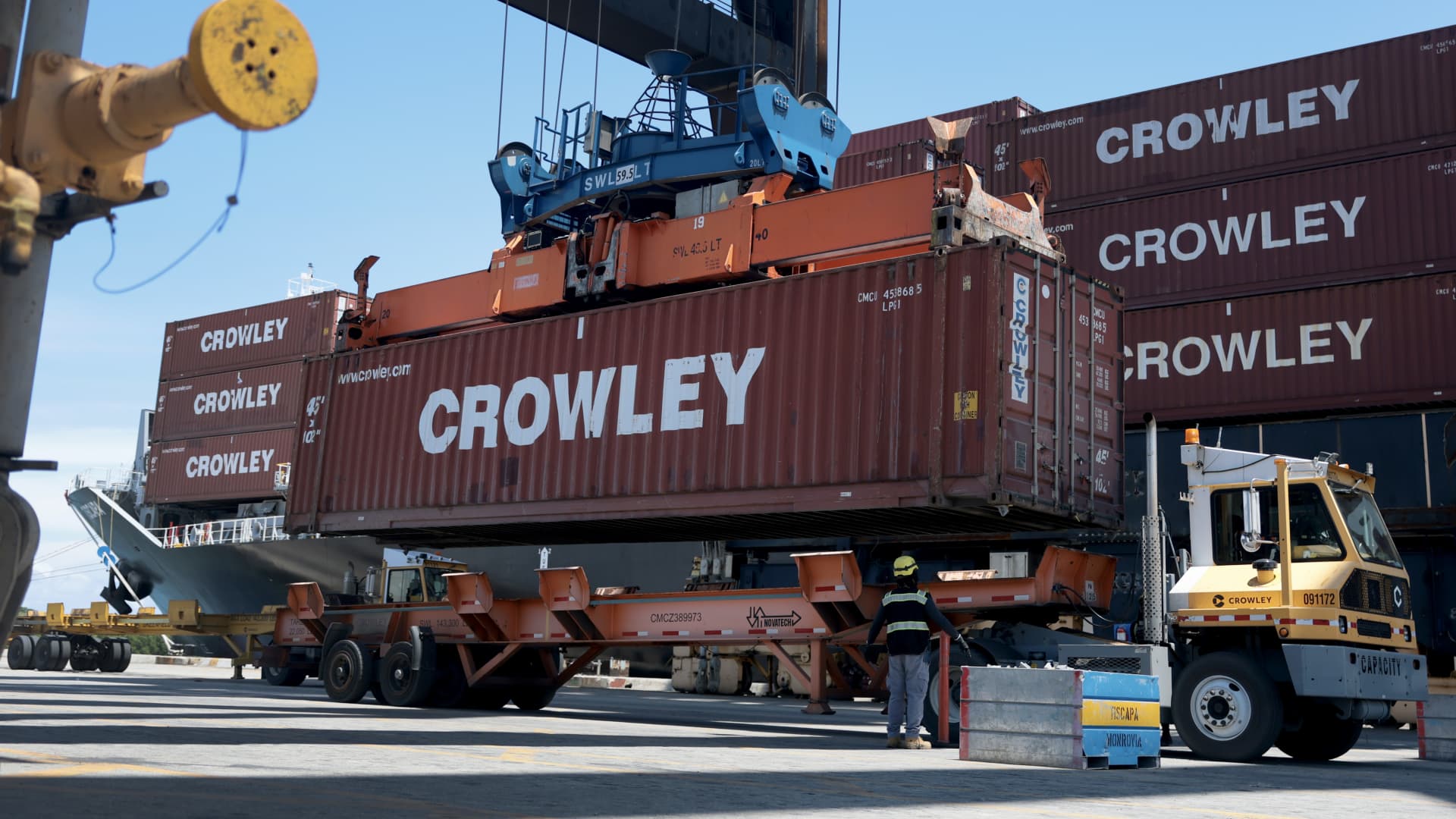
Prices for goods imported from China rose 0.9% in June, the BLS said. CNBC reported that was the largest monthly increase since January 2008 and could reflect the effect of tariffs, which are taxes charged on imported products.
The annual increase for imports from China was 1.3%, the biggest 12-month gain since the period from November 2021 to November 2022, according to the BLS data cited by CNBC.
For retail investors, the China detail is important because many U.S. companies rely on Chinese manufacturing or Chinese components. If those costs rise, companies may have to decide whether to absorb the hit or raise prices. Either choice can affect earnings, especially for businesses with thin profit margins.
Energy prices fell, but other categories climbed
The BLS said a 0.4% decline in fuels and lubricants helped hold down the overall import-price increase. That category had surged 12.6% in May, according to the report.
Other areas moved higher. CNBC reported that prices rose for computers, peripherals and semiconductors, areas tied to the artificial intelligence buildout. Industrial and service machinery also pushed import costs upward, the BLS said.
That mix suggests inflation pressure was not limited to oil or gasoline. Energy can swing quickly with global supply and geopolitical tensions, while broader increases in machinery, technology hardware and components can feed into business costs across several industries.
The report followed BLS data earlier in the week showing declines in both consumer prices and wholesale prices, which CNBC said were largely driven by lower energy costs as tensions between the U.S. and Iran briefly eased. Consumer prices measure what households pay, while wholesale prices track prices received by producers before goods and services reach consumers.
Exports fell for the month
U.S. export prices moved in the other direction in June. The BLS said export prices fell 0.6%, marking the first monthly decline since May 2025. Over the past year, export prices were still up 10.2%.
Exports to China fell 0.2% in June, according to the BLS figures cited by CNBC. On an annual basis, export prices to China rose 7.4%, the strongest increase since August 2022.
The June import data gives markets another inflation signal to watch. It does not by itself determine Federal Reserve policy or company pricing plans, but it adds evidence that some cost pressures are spreading beyond energy.
This story draws on original reporting from CNBC.