Sports prediction markets face state AG challenge over CFTC power
Attorneys general from 44 states told the CFTC that sports event contracts belong under state gambling laws, escalating an oversight fight.
By Maya Okafor · Markets Writer
· 3 min read
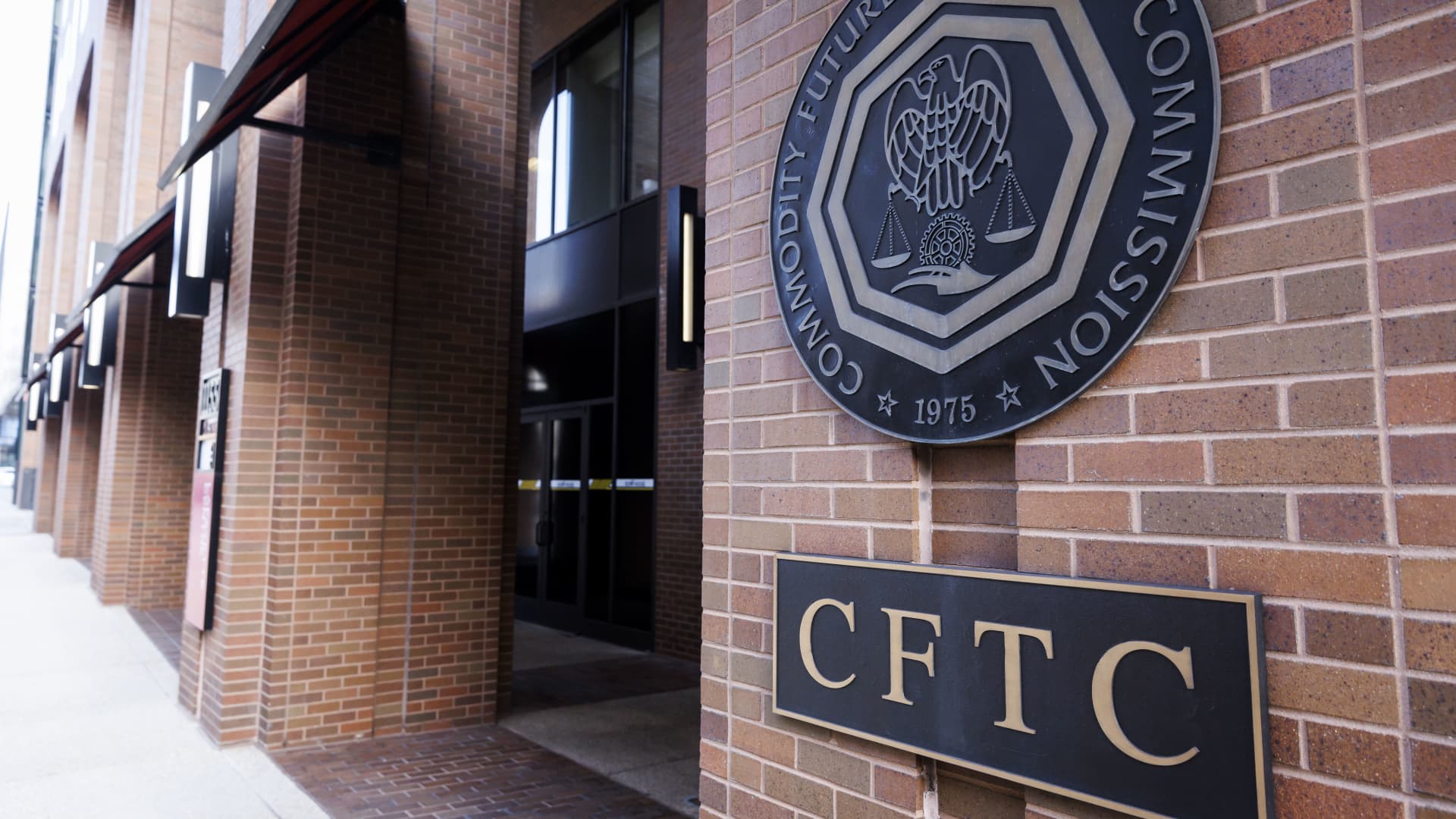
Sports prediction markets are facing a coordinated challenge from 44 state attorneys general, who told the Commodity Futures Trading Commission on Monday that the federal agency lacks authority to oversee sports-linked event contracts. For retail investors watching prediction platforms grow from niche products into tradable markets, the fight is about who sets the rules when a contract looks like both a derivative and a sports bet.
The letter arrived as the CFTC closed public comments on its first proposed rule for prediction market regulation. The proposal focuses heavily on sports offerings, the part of the market that has drawn the sharpest response from state officials.
The attorneys general, led by Ohio Attorney General Andy Wilson, argued that the CFTC proposal exceeds the agency’s legal authority and conflicts with the Constitution. They urged the commission to restart the rulemaking process and make clear that sports bets and gambling should not trade on designated contract markets, which are federally regulated exchanges, and should instead remain under state law.
Attorneys general from Florida, Georgia, New Hampshire, Missouri and Texas did not sign the letter.
Who should regulate sports prediction markets?
The CFTC and prediction market platforms say event contracts fall under the agency’s authority because they are swaps, a type of derivative regulated by the commission. A derivative is a financial contract whose value is tied to another outcome or asset.
State officials see the sports contracts differently. They argue that contracts tied to sports outcomes resemble sports betting, which states regulate through their own gambling laws.
The legal clash has intensified since prediction market trading volumes surged last year, driven mainly by sports-related contracts. The 2026 FIFA World Cup pushed activity on the platforms to new highs, according to CNBC.
The CFTC has also gone to court to defend its position. The commission has sued nine states as it argues that federal law preempts state restrictions and gives the agency exclusive jurisdiction over prediction markets.
What the CFTC proposal says about gaming
In June, the CFTC released a draft rule that addressed which sports-related event contracts could be prohibited. The proposal also tried to define “gaming” as an activity done for recreation or entertainment, governed by rules and based on measurable outcomes determined by skilled activity during the event.
CME Group pushed back on that definition in its own letter to the CFTC. Jonathan Marcus, CME’s general counsel, wrote that defining gaming as the sport itself rather than financial wagering on sports suggests the Commodity Exchange Act preempts state sports rules, which he called “a striking overreach.”
CME has a complicated role in the debate. The exchange has raised concerns about federal regulation of sports event contracts, while also serving as FanDuel’s CFTC-regulated exchange for its sports prediction markets.
Rothera, a prediction market platform that launched in June, supported the CFTC’s approach to defining gaming around the activity itself. CEO Thomas Chippas wrote to the commission that a definition based on wagering or “risking something of value” would capture every event contract, and said Rothera agreed that a wagering-based definition should be rejected.
Courts are already splitting on the issue
Market observers widely expect the Supreme Court to have the final say on who can regulate sports-related event contracts. For now, lower courts are producing mixed outcomes.
Reuters reported that a Michigan judge in late June blocked Kalshi from offering sports bets in the state. Reuters also reported that a federal judge in Minnesota on Monday temporarily stopped a statewide prediction markets ban from taking effect Saturday.
Those split decisions leave prediction platforms, exchanges and state regulators operating under uncertainty while the CFTC rulemaking and court fights continue.
This story draws on original reporting from CNBC.