Starbucks stock breakout call follows stronger quarter and raised outlook
Jim Cramer said Starbucks shares could move past their recent range after Brian Niccol’s turnaround showed more signs of traction.
By Maya Okafor · Markets Writer
· 3 min read
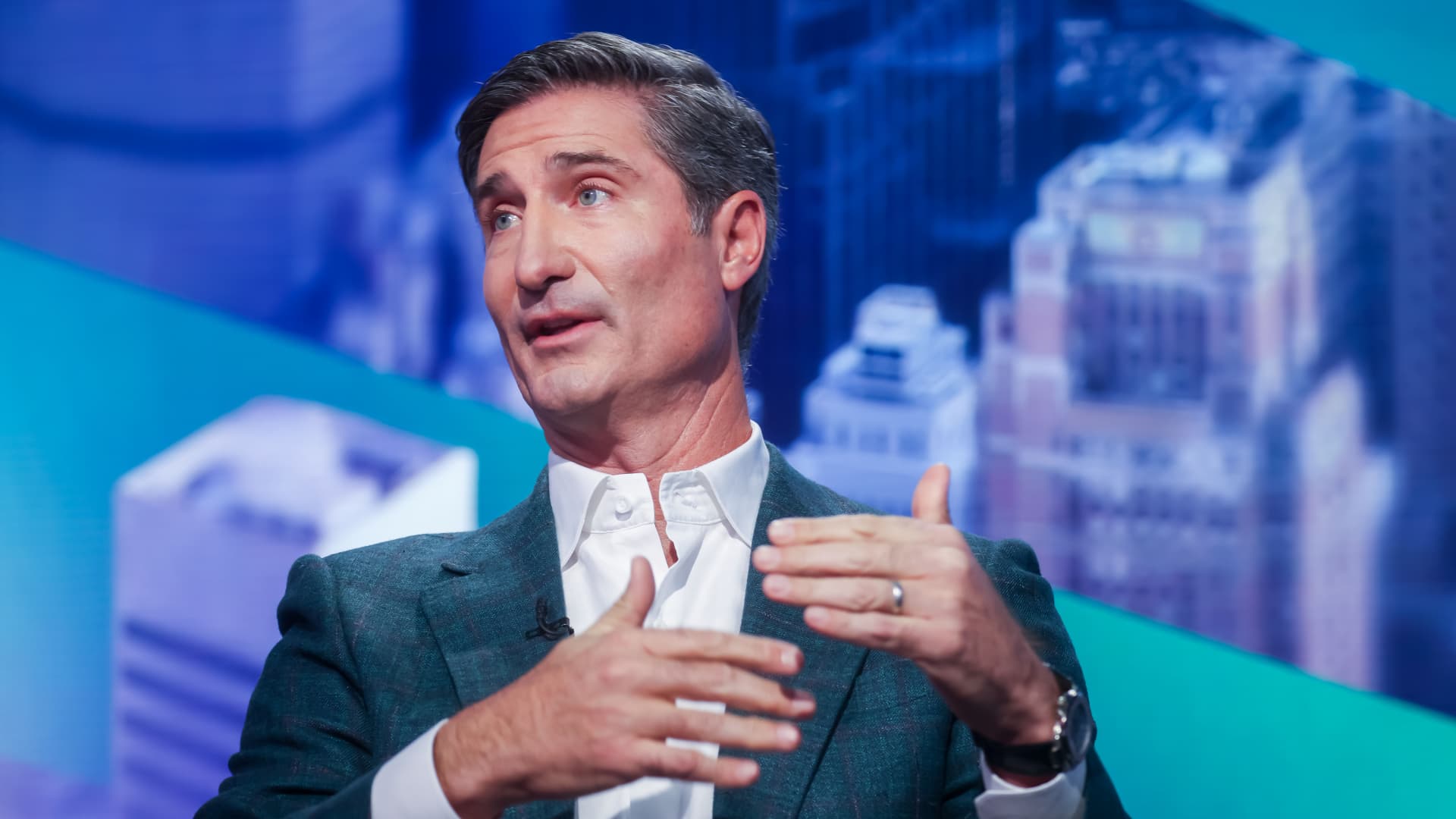
Jim Cramer is making a Starbucks stock breakout call after the coffee chain reported another stronger quarter and lifted its fiscal 2026 outlook, according to CNBC. For everyday investors, the key point is that Starbucks’ turnaround under CEO Brian Niccol is starting to show up in sales, margins and guidance, the numbers investors use to judge whether a recovery is working.
CNBC reported that Cramer discussed the company Thursday after interviewing Niccol, one day after Starbucks released results and raised its outlook. The CNBC Investing Club said it increased its Starbucks price target to $120 from $115 following the quarter.
Cramer said on CNBC that the results looked like an “inflection,” and argued the stock could move beyond the roughly $100 area into a higher trading range. A breakout, in stock-market terms, means shares move above a level where they had repeatedly stalled, which can draw more attention from traders and longer-term investors.
Starbucks shares rose more than 3% Thursday to about $107, CNBC reported. The stock is up about 26% for the year, set a 52-week closing high of $108.37 on July 16 and has not traded above $110 since January 2025, according to CNBC.
Why does Cramer think Starbucks stock could break out?
Cramer’s view rests on evidence that Niccol’s “Back to Starbucks” plan is gaining ground. CNBC reported that Starbucks posted its fourth straight quarter of global comparable-store sales growth and raised guidance across the board for the second consecutive quarter.
Comparable-store sales track revenue at locations open at least 13 months. Restaurant investors watch that metric because it strips out the effect of new store openings and shows whether existing cafes are bringing in more business.
Profitability also improved. CNBC said North America margins expanded for the first time in more than two years, even without counting benefits from tariff refunds. Margin expansion means the company kept more profit from each dollar of sales, a sign that sales growth is not being swallowed by costs.
Niccol told Cramer that comparable-sales growth came from higher transactions, more drink customizations and greater customer demand for food. In plain English, Starbucks said more people came in, some spent more on modified drinks and food played a bigger role in the ticket.
Niccol also credited “operational discipline” and “consistent execution” in stores, according to CNBC. Store operations matter for Starbucks because speed, accuracy and availability can influence whether customers choose the chain during morning rushes or mobile-order pickups.
Store refreshes and international licensing are part of the plan
Starbucks has upgraded a little more than 1,000 stores so far, Niccol told Cramer, and he sees room to retrofit as many as 8,000 locations over time. He said remodeled front-of-house areas and other upgrades are helping across drive-thru, mobile order pickup and delivery, according to CNBC.
The company is also changing how it runs international markets. Niccol said Starbucks is simplifying its model outside North America by putting more emphasis on licensing, while keeping direct control of operations in the U.S. and Canada.
CNBC reported that Starbucks finalized a joint venture for its China business in April. After that deal, about 90% of the company’s nearly 23,000 international stores are run under a licensed structure, according to CNBC.
The CNBC Investing Club said the quarter strengthened its confidence that Starbucks’ sales recovery is beginning to support better profits, while still allowing investment in stores, staffing and operations. CNBC disclosed that Cramer’s Charitable Trust owns Starbucks shares.
This story draws on original reporting from CNBC.