Strait of Hormuz remains blocked as vessel traffic falls near three-month low
Iran rejected Trump’s claim of U.S. control, while Kpler data showed shipping through Hormuz at about 13 daily transits.
By Dev Ramirez · Crypto Correspondent
· 3 min read
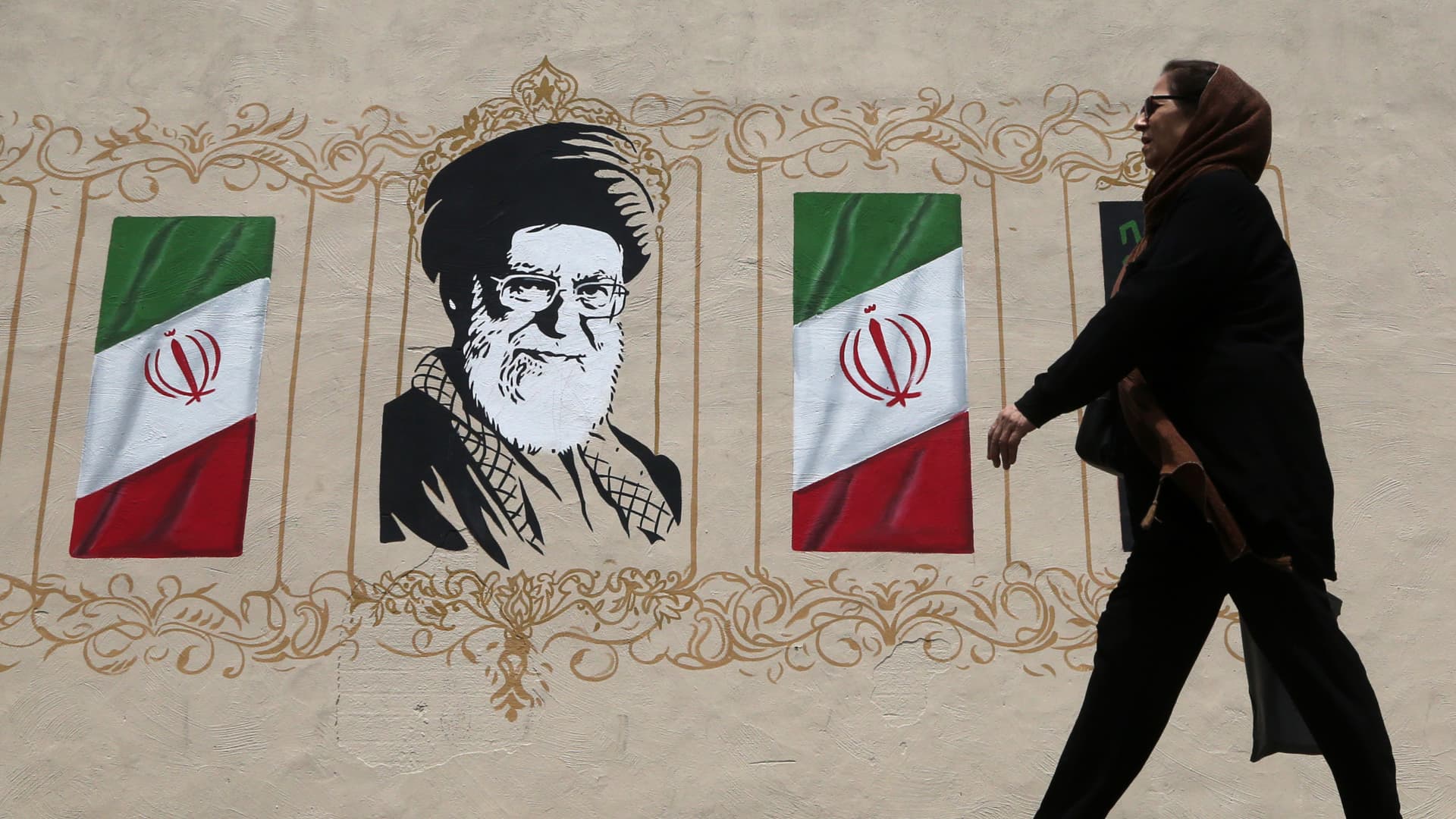
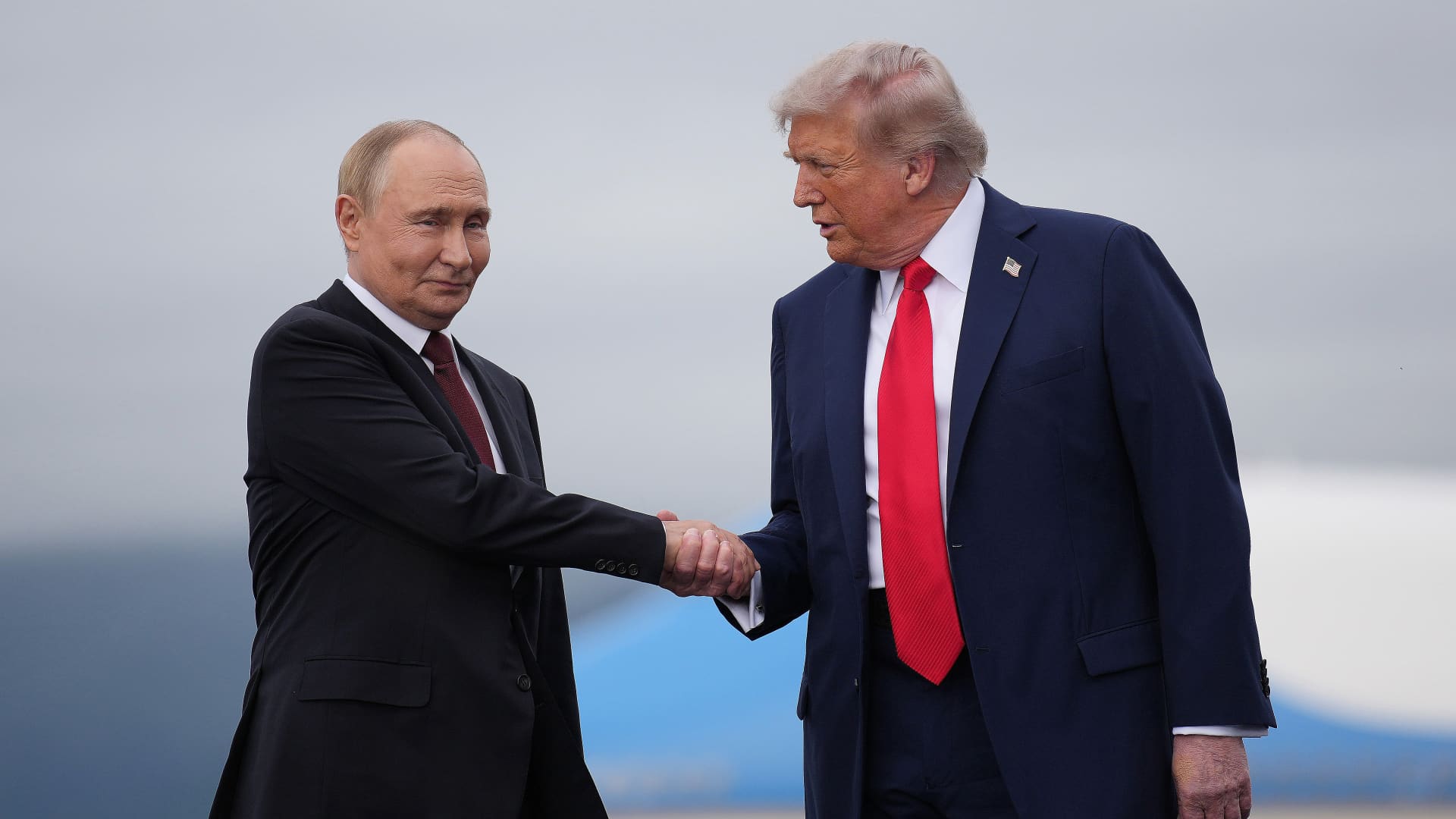
The Strait of Hormuz blocked dispute between Iran and the U.S. is colliding with a clearer operational signal: commercial vessel traffic remains far below normal levels. Iran said the waterway will stay closed until its conditions are met, while President Donald Trump asserted that the U.S. has “total control” of the strait.
For investors, the gap between the two political claims matters less than what ships are doing. A CNBC analysis of data from trade-intelligence firm Kpler found a five-day average of about 13 vessel transits on Tuesday, near the lowest level since May 12. That figure covers all vessel types, including cargo ships and oil tankers.
CNBC said the reading was about 90% below the pre-conflict average of 130 vessels a day before the U.S. and Israel attacked Iran on Feb. 28. The data do not independently settle which government controls the waterway, but they indicate that commercial passage remains severely constrained.
Is the Strait of Hormuz still blocked?
Iran’s Persian Strait Gulf Authority said Wednesday in a post on X that the Strait of Hormuz remains blocked and would not reopen until Iran’s conditions are accepted, CNBC reported. Trump had earlier written on Truth Social that the United States had “total control” over the strait and intended to keep it.
Those statements describe competing positions rather than independently verified control of the passage. The low transit count offers the measurable picture: only around one-tenth of the pre-February traffic level was moving through the route on the five-day measure cited by CNBC.
What Iran says it wants before reopening
Iran has linked any reopening to a broad set of demands. CNBC reported that Iran’s Supreme National Security Council called for an end to the U.S. naval blockade, sanctions relief, a withdrawal of American troops and war reparations.
The Wall Street Journal separately reported on Aug. 9 that Tehran was seeking billions of dollars in U.S. payments, removal of U.S. forces from the region and an end to the naval blockade, among other terms, for commercial traffic to move freely.
Why the shipping slowdown matters
The Strait of Hormuz is a narrow passage connecting the Persian Gulf with the Gulf of Oman. It is important because oil, liquefied natural gas, fertiliser and other commodities move through it. International Crisis Group estimates that the route typically carries about one-quarter of globally seaborne crude oil and one-fifth of liquefied natural gas.
That exposure does not establish an immediate price move for oil or any individual security. It does show why a prolonged reduction in vessel movements can remain a market concern: reduced access to a major shipping route can restrict the movement of energy and industrial inputs. International Crisis Group says pipelines that bypass Hormuz across Saudi Arabia, the United Arab Emirates and Iraq could handle roughly half of the route’s usual volume, with higher costs and security and operational limits.
For now, negotiations appear unresolved and the traffic figures point to continuing disruption, regardless of the opposing declarations from Tehran and Washington.
This story draws on original reporting from CNBC.