Strait of Hormuz reopening odds fall below 50% on Kalshi
Kalshi traders cut the chance of normal Strait of Hormuz traffic by July 2027 to 47% as U.S.-Iran tensions keep shipping risk in focus.
By Dev Ramirez · Crypto Correspondent
· 3 min read
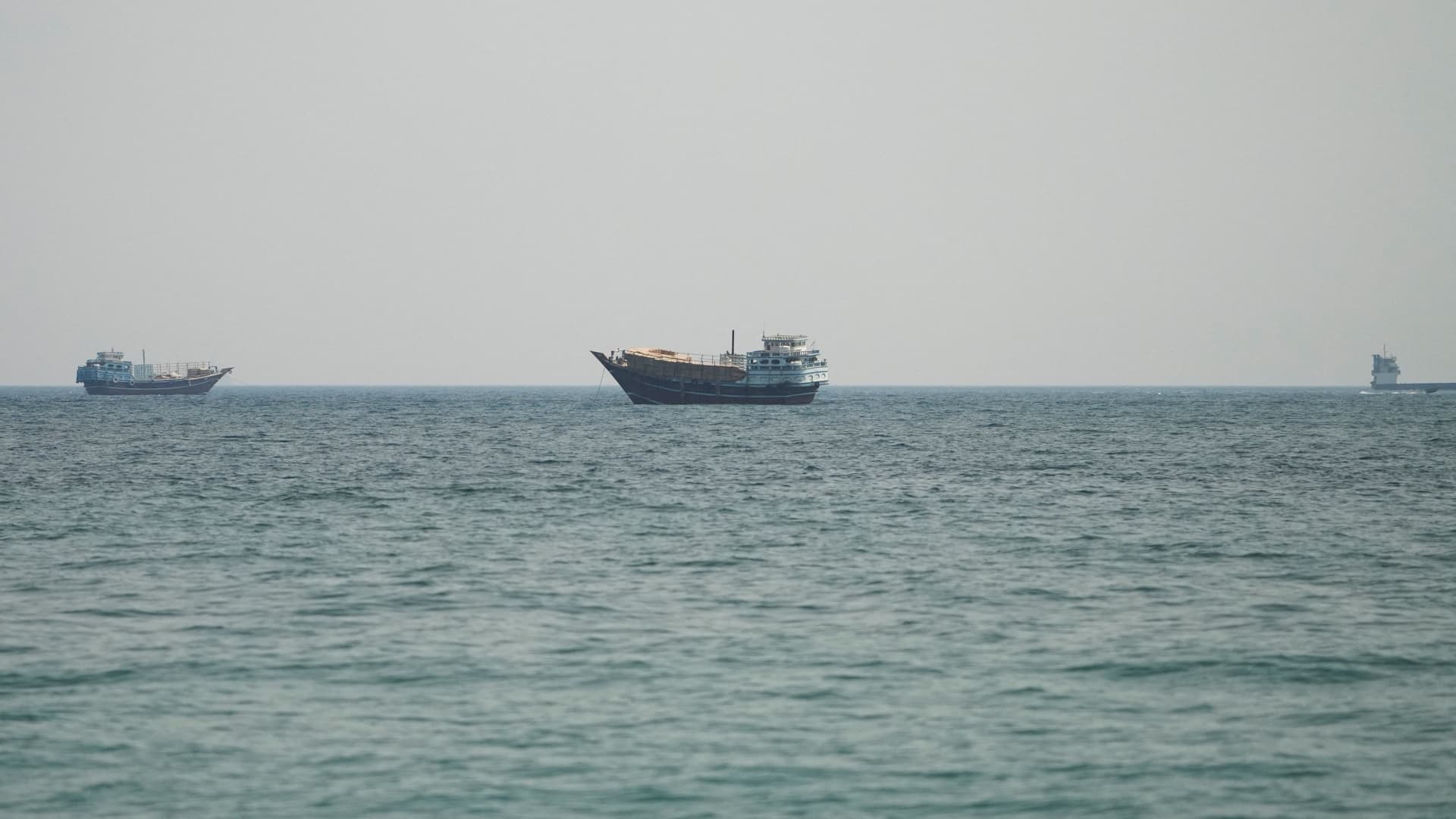
Strait of Hormuz reopening odds on Kalshi fell below 50% Friday afternoon, signaling that traders in the prediction market see normal maritime traffic taking longer to return. For investors watching energy and shipping risk, the market is now pricing a more drawn-out disruption than it was earlier this week.
Kalshi showed a 47% chance that traffic through the Strait would be back to normal by July 2027, down from nearly 70% over the past two days, according to CNBC. The move followed another escalation in the U.S.-Iran conflict: the U.S. carried out a 13th straight night of strikes on Iranian targets, while President Donald Trump told Axios on Thursday that he was considering a further “massive attack” against Iran.
Other Kalshi contracts also pointed to skepticism about a quick return. CNBC reported that traders priced a 38% chance of normal ship traffic resuming this year and a 48% chance that regular shipments would be restored before April 2027.
When will Strait of Hormuz traffic return to normal?
Kalshi’s market does not give a confirmed timeline. It shows what traders are willing to pay for contracts tied to specific outcomes, so the percentage is a market-implied probability, not an official forecast.
The contract resolves based on whether the seven-day moving average of transit calls rises above 60, using data verified by IMF Portwatch, according to CNBC. A transit call is a recorded vessel movement through the monitored area, so the contract is tied to measured ship activity rather than a political announcement.
Prediction markets let participants trade contracts based on whether an event happens. If traders become less confident that an event will occur by a certain date, the market price, and the implied probability, can fall.
Why traders are watching Yemen and Iran
Matt Smith, director of commodity research at Kpler, told CNBC’s “Squawk Box” that Iranian-backed Houthi rebels in Yemen have added another “dimension” to the timing of any reopening. The Houthis claimed they attacked two Saudi oil tankers in the Red Sea, according to CNBC.
“We’re pushing that reopening into next year,” Smith said on CNBC.
Trump said Thursday on Truth Social that he would hold Iran responsible for additional Houthi attacks. That statement linked the Red Sea threat more directly to the broader confrontation between Washington and Tehran, at least in the administration’s public messaging.
There was also a possible diplomatic track. Reuters reported Friday that Pakistan is trying to promote new peace talks between the U.S. and Iran, with added impetus from China, citing three Pakistani sources.
For retail investors, the key signal is the change in expectations. Kalshi traders are no longer pricing a quick normalization as the most likely outcome across several time frames, according to CNBC’s reported market data. That does not settle what happens next, but it shows how quickly geopolitical risk can change the market’s view of shipping timelines.
CNBC disclosed that it has a commercial relationship with Kalshi that includes customer acquisition and a minority investment.
This story draws on original reporting from CNBC.


