Strait of Hormuz ship traffic stays near three-month low
Tracked vessel traffic averaged about 13 transits, while U.S. and Iranian officials offered conflicting signals on reopening the oil route.
By Maya Okafor · Markets Writer
· 3 min read
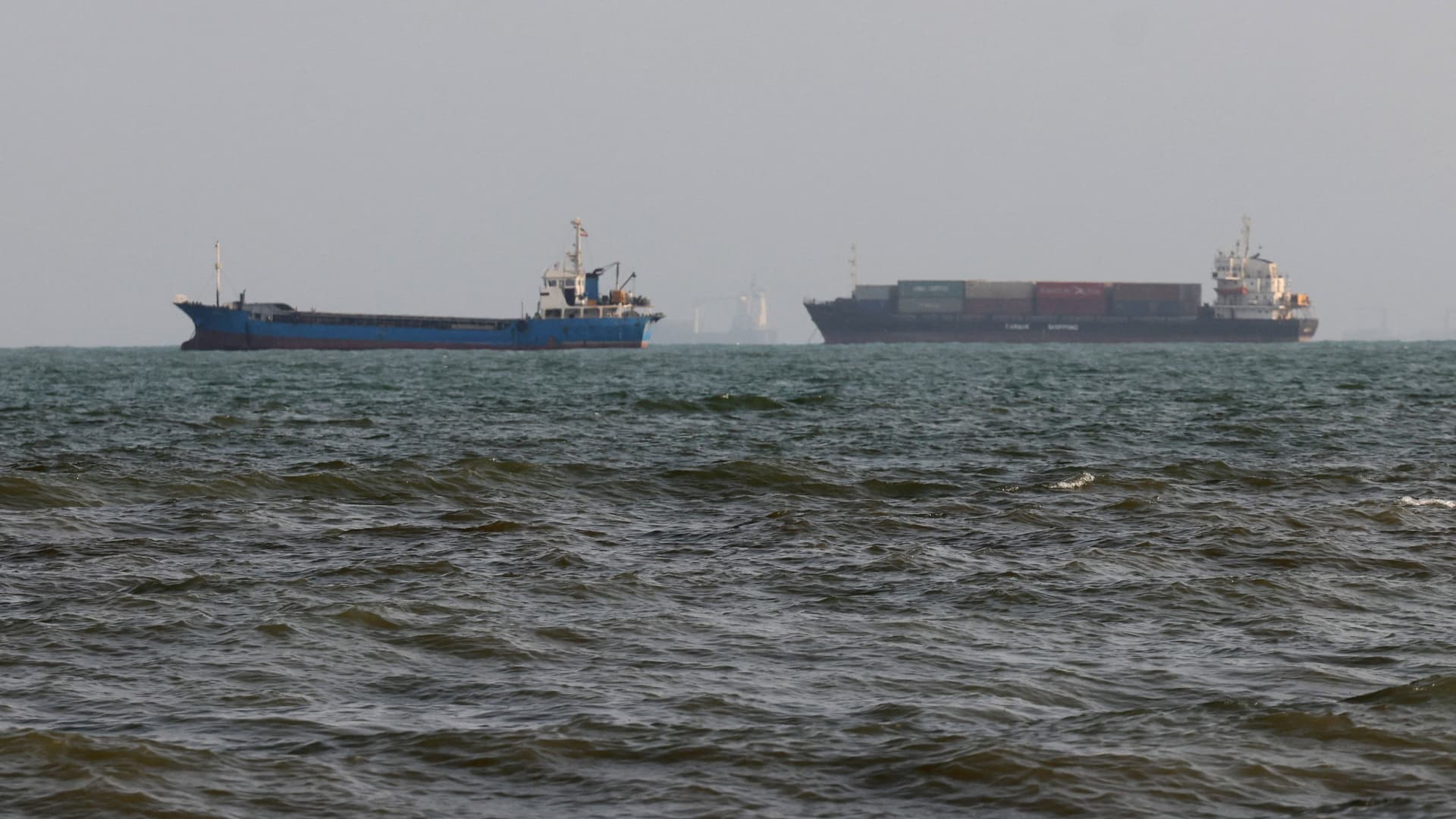
Strait of Hormuz ship traffic remained near a three-month low Tuesday, a sign that the key oil shipping route has yet to return to normal as U.S.-Iran negotiations remain unresolved. For investors watching energy supplies, the data point is a measure of disruption, though it does not directly equal the volume of oil still leaving the Gulf.
CNBC, citing its analysis of Kpler trade-intelligence data, reported a five-day average of roughly 13 vessel transits through the strait. The measure includes every type of ship, from cargo vessels to oil tankers, and was close to the lowest reading since May 12.
That average was about 90% below the 130 daily crossings reported before the Feb. 28 U.S. and Israeli attacks on Iran, CNBC said. It was also about 80% below the traffic high after a short-lived interim agreement between Washington and Tehran.
Why is Strait of Hormuz ship traffic still so low?
Iranian officials have said the waterway will not fully reopen unless Washington accepts Tehran's conditions. CNBC reported that Mohsen Rezaei, a senior Iranian security official, made that position clear Tuesday.
Reuters separately reported on Aug. 8 that Iran and Oman were close to an arrangement over shipping through the strait, but Iranian officials said a route agreement alone would not free up the waterway. Iranian Foreign Minister Abbas Araqchi said reopening depended on additional conditions, including U.S. compensation to Iran, Reuters reported.
Oman's foreign ministry described its negotiations with Iran as positive and constructive, Reuters said, while also condemning repeated attacks on ships transiting the area without assigning responsibility.
Low ship counts and oil flows are different measures
The reported traffic data and the oil-flow estimate use different measures and time periods. The roughly 13 figure is a five-day average of all tracked vessel crossings. U.S. Energy Secretary Chris Wright said oil exports through Hormuz averaged nearly 9 million barrels a day over the prior seven days, with tankers receiving U.S. military assistance.
Wright said private tracking firms can undercount ships because some move covertly. His assertion has not been independently verified in the material available.
He also said total Gulf-state oil exports, including barrels sent by pipeline rather than ship through Hormuz, averaged about 15 million barrels a day. Before the conflict, about 20 million barrels a day of crude and petroleum products moved through the strait, according to CNBC.
The earlier June 17 interim deal briefly improved ship movement. CNBC reported that five-day average crossings reached about 60 by June 26, before the arrangement fell apart amid a dispute over shipping routes that had not been defined in the agreement.
For now, the ship-count data, the oil-volume estimate and the diplomacy point to the same broad conclusion: some energy is moving, but normal commercial passage through one of the world's most important oil corridors has not been restored.
This story draws on original reporting from CNBC.