Strategic Petroleum Reserve drawdown strains aging U.S. oil backup
U.S. oil reserves are at their lowest since 1983 as federal auditors warn aging SPR infrastructure could limit future emergency releases.
By Jordan Bell · Startups & Deals Reporter
· 3 min read
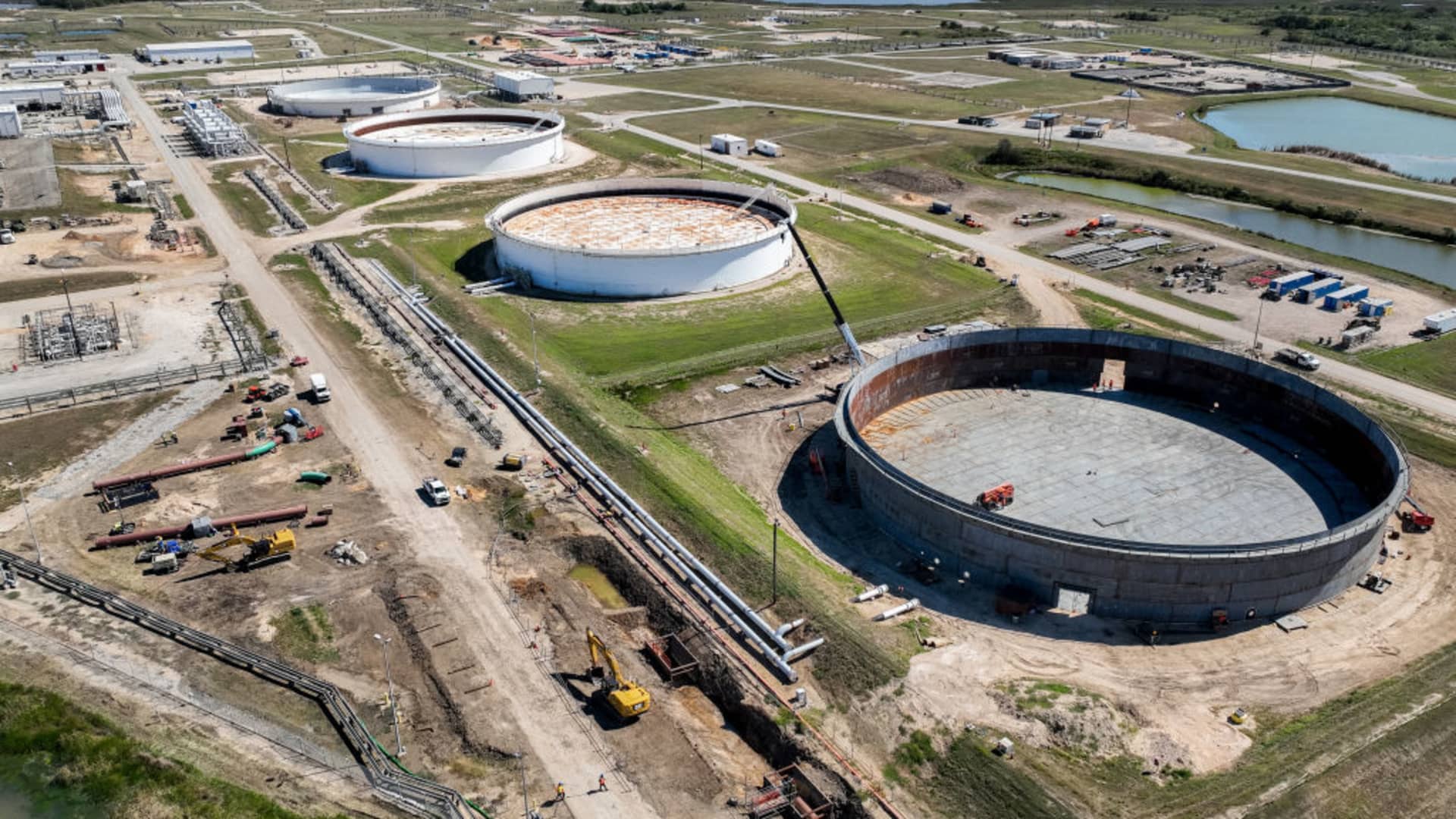
The U.S. strategic petroleum reserve drawdown has pushed the country’s emergency oil stockpile to its lowest level since March 1983, after four years of releases tied to supply shocks from the U.S. war with Iran and Russia’s invasion of Ukraine.
For retail investors watching energy prices, the condition of the Strategic Petroleum Reserve, or SPR, matters because emergency releases can add crude to the market during disruptions and help ease pressure on fuel costs. Federal auditors now say the system’s aging pipes, wells, caverns and tanks are under stress after repeated large withdrawals.
The Government Accountability Office warned in a May report that the SPR’s ability to release, distribute and refill oil is limited and faces future risk because of old infrastructure and major repair work underway. Department of Energy officials told auditors that parts of the system are being held together with “Band-Aids,” according to the GAO report.
How much oil is left in the Strategic Petroleum Reserve?
U.S. government inventories fell by 3.7 million barrels last week to about 308 million barrels, according to the Energy Information Administration. President Donald Trump ordered a 172 million-barrel release in March after Iran choked off oil exports through the Strait of Hormuz, a disruption CNBC described as the largest in history.
When that release is complete, the SPR will fall to about 243 million barrels, according to EIA data cited by CNBC. The Energy Department says the reserve has authorized storage capacity of 714 million barrels.
The reserve has seen 352 million barrels withdrawn over four years, according to CNBC. President Joe Biden ordered a 180 million-barrel release after Russia’s 2022 invasion of Ukraine, which the GAO described as an unplanned stress test of the SPR’s operations.
The GAO found that more than a quarter of the reserve’s inventory “was not available for drawdown” because of construction outages and cavern outages. Rapidan Energy estimated in a July analysis that this means at least 103 million barrels now in the SPR are not deployable.
What is the Strategic Petroleum Reserve?
Congress created the SPR in 1975 after the 1973 Arab oil embargo. It stores crude oil in 60 underground salt caverns at four major sites along the Gulf Coast, according to the Energy Department.
To release oil, operators pump water into the bottom of the caverns, which pushes crude toward the surface and into wells and pipelines. Heavy use can wear on wells and equipment, David Goldwyn, a former State Department special envoy for international energy affairs under President Barack Obama, told CNBC.
Goldwyn said he is not worried about the reserve’s stability or its ability to support another drawdown. Still, he told CNBC that each drawdown speeds wear on wells and equipment, which then requires maintenance.
The Energy Department is carrying out a $1.4 billion repair plan for the SPR, though the GAO said the department narrowed the project’s scope to stay within budget. Auditors said the 2022 release was completed without major equipment failures or crude oil spills, but it required emergency repair decisions involving leaking water pumps or pipes.
A Department of Energy spokesperson told CNBC that federal law does not require a minimum operating level for the reserve. The spokesperson said the operational minimum needed to safely manage the caverns is about 10% of capacity, or roughly 70 million barrels.
This story draws on original reporting from CNBC.


