Supreme Court allows California to count disputed mail ballots
The court denied the DOJ’s emergency request to halt counting ballots tied to roughly 20,000 people it described as likely noncitizens.
By Dev Ramirez · Crypto Correspondent
· 3 min read
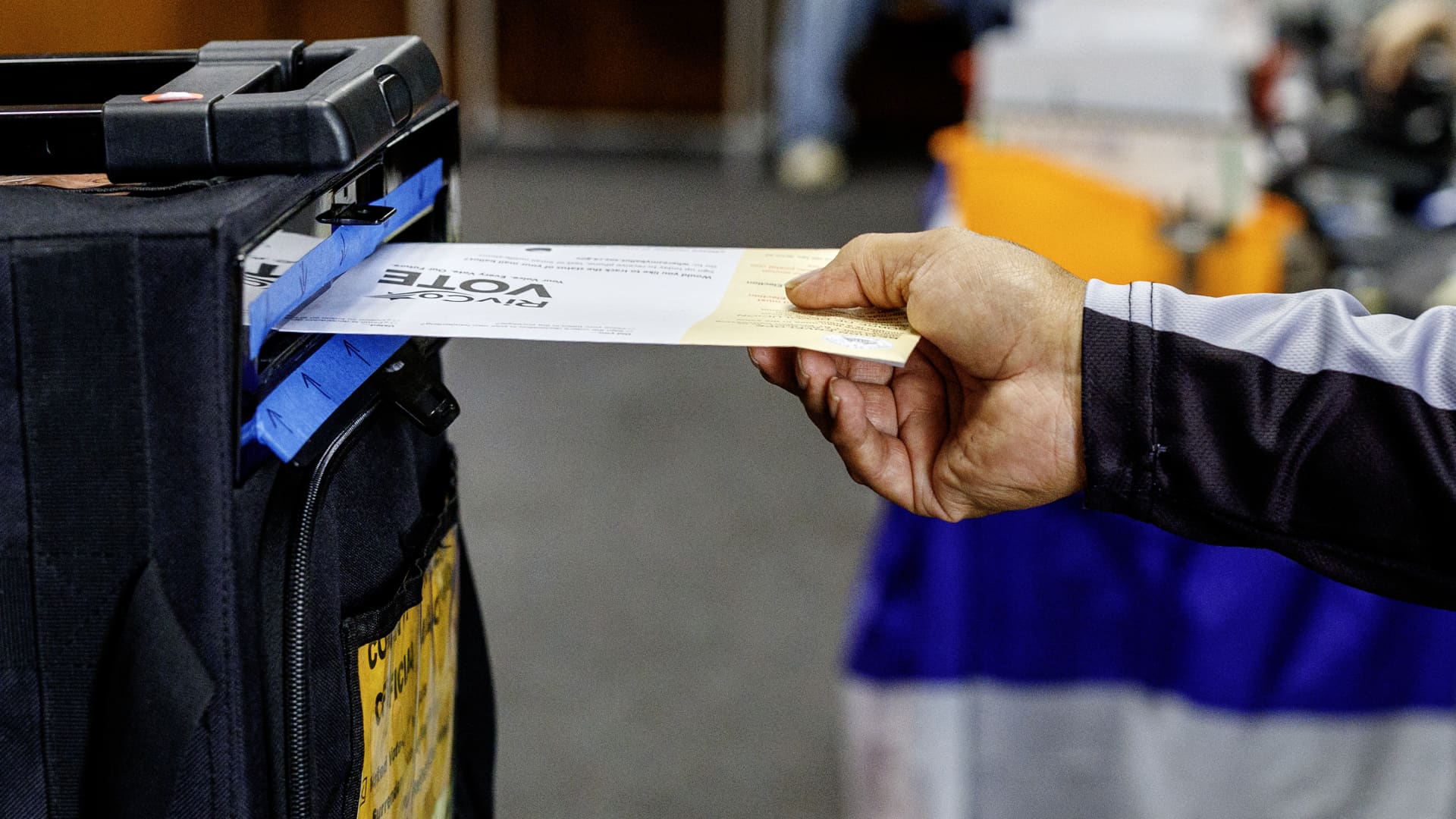
The Supreme Court on Monday denied the Justice Department’s emergency request to stop California from counting disputed mail ballots, leaving the state free to continue its count on the eve of the Nov. 3 election. For voters following the Supreme Court California disputed ballots case, the immediate effect is narrow: ballots can be processed, while the underlying dispute over the government’s voter list remains unresolved.
The Justice Department had asked the court to require California to set aside and withhold from the count ballots tied to about 20,000 people it said were likely not U.S. citizens. Noncitizens cannot vote in federal elections, but the department’s assertion about the people on its list has not been established as a final court finding.
According to CNBC, the Supreme Court issued a one-sentence unsigned order without explaining its reasoning. No dissents were noted. Justice Elena Kagan referred the request to the full court, which decided the matter without seeking a response from California officials.
What did the Supreme Court decide about California’s disputed ballots?
The court declined to grant temporary relief requested by the Justice Department. That means California may count the ballots while litigation continues. The order did not decide whether anyone named on the federal list is a citizen, nor did it rule on the broader legal claims in the case.
The DOJ filed suit against California on Oct. 15, seeking to bar state officials from tabulating mail ballots from people it described as likely noncitizens until their citizenship could be determined. Solicitor General D. John Sauer said the federal government had identified more than 20,000 people who appeared to be registered in California and whom it viewed as likely noncitizens, CNBC reported.
Why had lower courts rejected the Justice Department’s request?
U.S. District Judge David Carter first denied the request to make California officials isolate ballots connected to names supplied on a Department of Homeland Security list. The Justice Department then sought emergency intervention from the Ninth U.S. Circuit Court of Appeals.
In a 2-1 decision, the Ninth Circuit also refused. The majority, Judges Mark Bennett and Gabriel Sanchez, said granting the requested relief carried a material risk of disenfranchising voters, according to CNBC. Judge Patrick Bumatay dissented.
CBS News reported that the appeals court said there was no workable way to identify and separate particular ballots without potentially harming the wider tabulation process. Election officials have said ballots already processed are anonymized, meaning they cannot be connected back to the individual who submitted them.
California also disputed the reliability of the federal list. NPR reported that county officials found many people listed did not have active voter registrations or were not sent ballots, so the number of ballots actually implicated could be below 20,000. The UCLA Voting Rights Project, after obtaining the list through a court order in another case, reported that 42% of listed names did not appear on California’s current voter roll and that the list included naturalized citizens.
Those findings were reported analyses, not a final judicial determination of the list’s accuracy. The Supreme Court’s order addresses only the Justice Department’s bid for immediate intervention, not the merits of its citizenship allegations.
This story draws on original reporting from CNBC.