Tesla and Alphabet stocks drop as AI spending worries hit shares
Tesla and Alphabet shares fell after both companies outlined heavier AI-related investment, putting capex and cash flow under scrutiny.
By Jordan Bell · Startups & Deals Reporter
· 3 min read
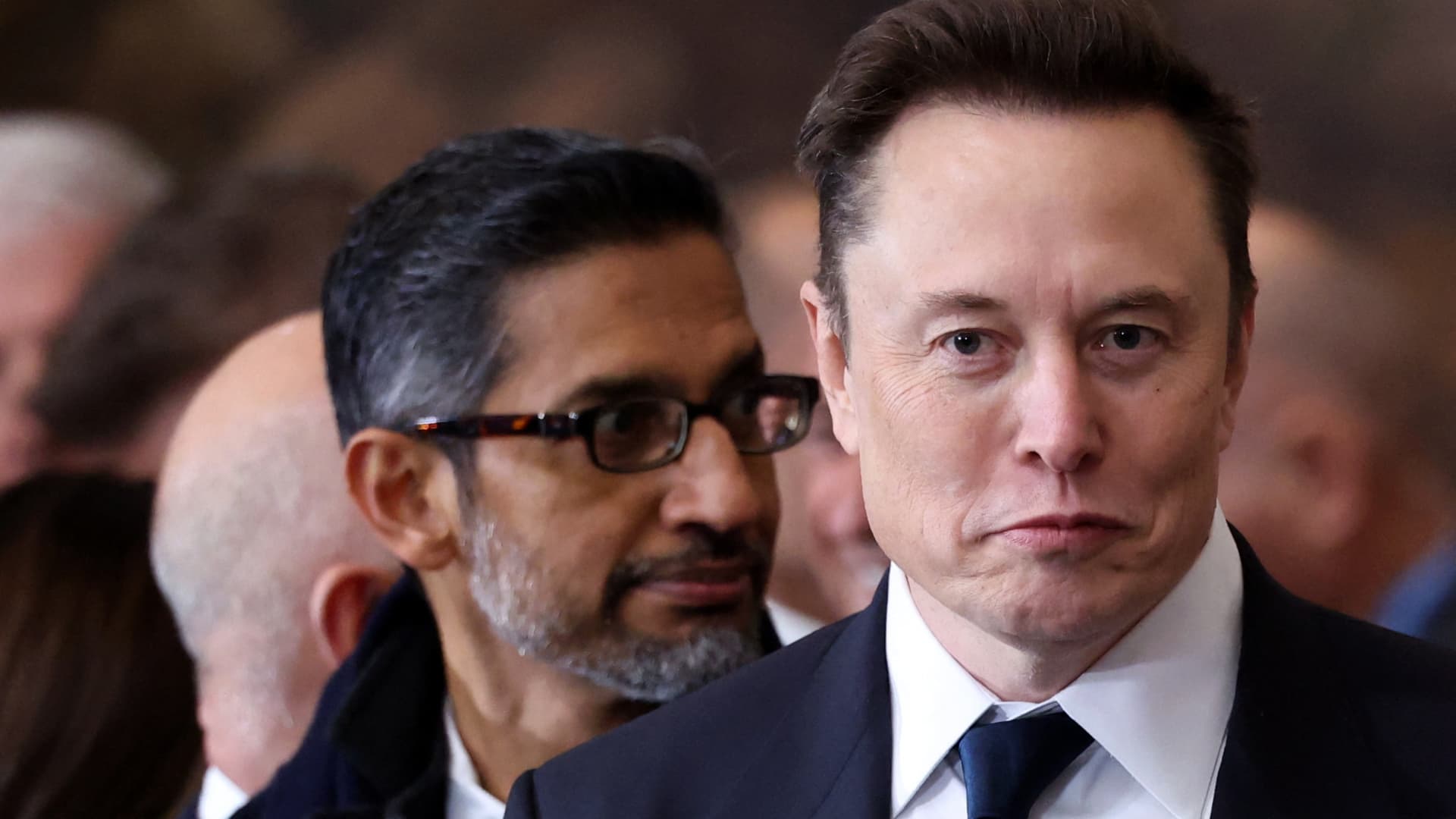
Tesla Alphabet AI spending worries hit shares Thursday after both companies told investors they are putting more money into artificial intelligence projects. For everyday investors, the pressure point is clear: Wall Street is asking when the AI buildout turns into cash, and how much companies must spend before that happens.
CNBC reported that Alphabet shares were down about 5% in premarket trading, while Tesla fell more than 7%. The moves followed Wednesday declines of 1.46% for Alphabet and 1.3% for Tesla.
Both companies reported negative free cash flow for the second quarter, according to CNBC. Free cash flow is the money a company has left after paying operating costs and funding capital investments, so a negative number can raise questions about how expensive growth plans are becoming.
Why did Tesla and Alphabet stock fall?
Investors focused on rising capital expenditure, or capex, at both companies. Capex is spending on long-term assets such as data centers, chips, factories and equipment, and AI has made those bills larger across the tech sector.
Alphabet lifted its 2026 capex forecast to a range of $195 billion to $205 billion, CNBC reported. Its previous outlook was $180 billion to $190 billion, and the Google parent also warned of higher spending in 2027.
Tesla said capex jumped 142% from a year earlier in the second quarter to $5.79 billion, according to CNBC. The electric-vehicle maker expects more than $25 billion in capex this year.
Management at both companies argued that the spending is tied to future growth. Tesla CEO Elon Musk told investors on the company’s earnings call that this is a “massive capex year” and said he was confident the investments would produce strong returns. Tesla’s earnings presentation said the company is installing first-generation lines for Optimus, its humanoid robot, and plans to start production soon.
Alphabet CEO Sundar Pichai said the increase was mainly tied to faster delivery of capacity to meet rising demand, according to CNBC. Alphabet has said it does not have enough computing capacity for the AI demand it is seeing.
Ben Barringer, head of technology research at Quilter Cheviot, told CNBC that investors appeared focused on the rise in capex and a weaker margin outlook. He also cited delays to Gemini 3.5 Pro and a lack of standout product releases as factors raising questions about whether Alphabet’s AI spending has become a clear competitive edge.
Where are investors seeing signs of payoff?
Alphabet’s cloud business gave investors one counterpoint to the spending concern. CNBC reported that Google Cloud revenue rose 82% from a year earlier to $24.8 billion, beating forecasts.
Alison Porter, a portfolio manager at Janus Henderson, told CNBC’s “Squawk Box Europe” that Alphabet had one of its strongest revenue growth quarters in five years and called the company a strong barometer for the AI wave. She pointed to Google Cloud’s operating margin, which rose to 35.6% in the second quarter from 20.7% a year earlier, as evidence that the investments are producing results.
At Tesla, CNBC reported that the core automotive business generated $20.52 billion in revenue, up 23% from a year earlier. The company is also spending on areas including robotics and semiconductors, according to CNBC.
The selloff shows the current tension in AI investing: companies are under pressure to spend aggressively to compete, while shareholders are watching cash flow, margins and the timing of returns.
This story draws on original reporting from CNBC.


