Tesla Cybercab expansion faces service and regulatory tests after Austin debut
Tesla increased its authorized Cybercabs in Texas after the Austin launch, but rider complaints and federal scrutiny could complicate expansion.
By Jordan Bell · Startups & Deals Reporter
· 3 min read
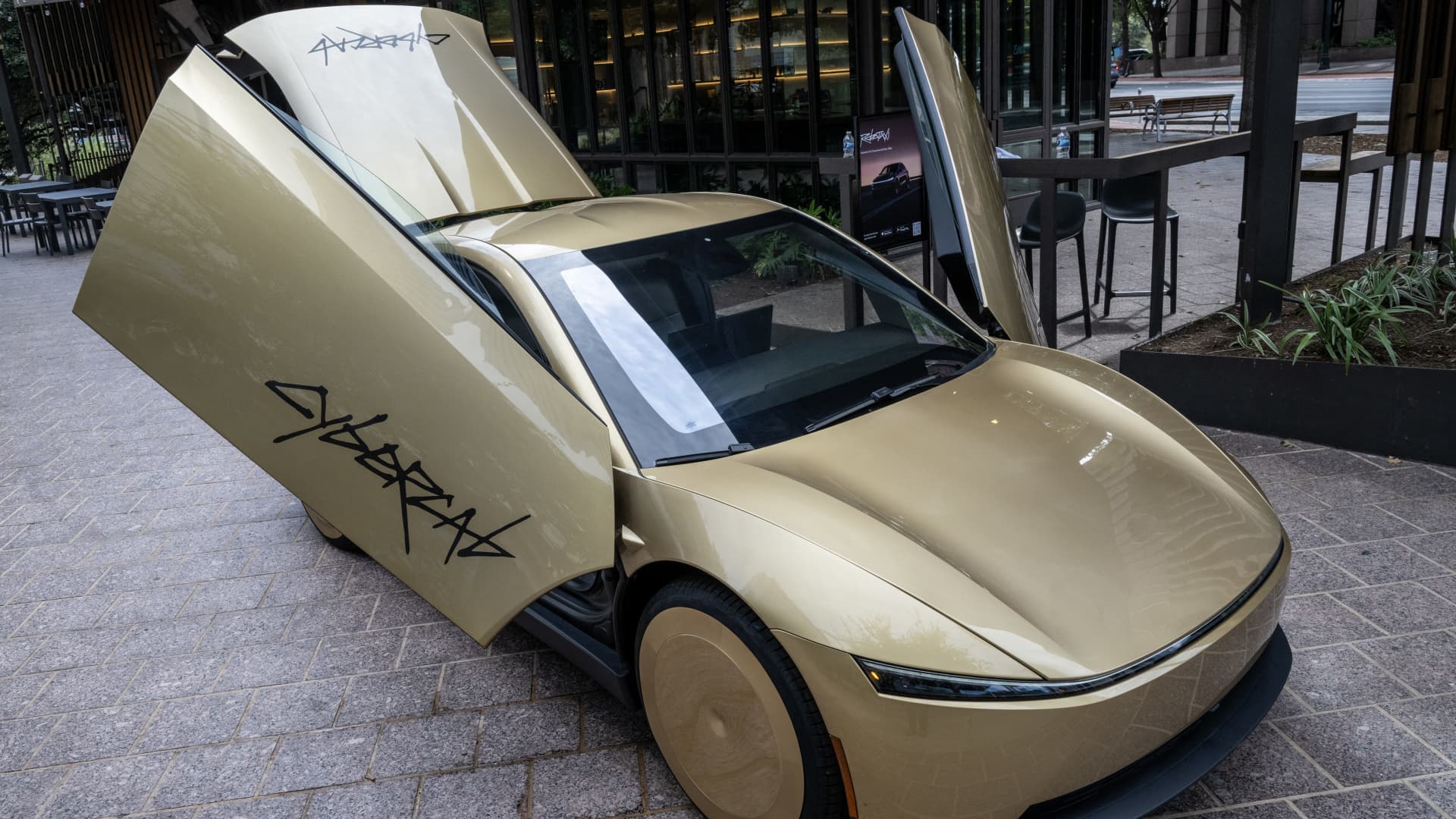
Tesla Cybercab Austin expansion is moving beyond a small launch fleet, but the early service has exposed questions that matter to investors: authorization to operate is rising faster than proof of a polished, scalable ride-hailing operation. Tesla launched Cybercab rides in limited parts of Austin on Sept. 3, and the number of the driverless two-seat vehicles authorized for commercial use in Texas grew from 45 at the unveiling to 169 as of Friday, CNBC reported, citing state motor-vehicle records.
That increase measures regulatory authorization, not the number of rides, the availability of cars or how heavily the fleet is being used. Austin remained the only city where Tesla was operating Cybercab in its driverless ride-hailing service, according to CNBC.
The Cybercab has no steering wheel or pedals. Reuters reported that Tesla initially said rides were available only in parts of Austin, while federal safety rules generally require conventional human controls.
What is slowing Tesla Cybercab expansion beyond Austin?
Early passenger accounts compiled by CNBC pointed to operational issues including long waits, pickups or drop-offs at the wrong location, and trouble with the butterfly doors or trunk closing properly. Those reports are rider complaints rather than a full measure of the service’s reliability, and CNBC reported no significant safety incidents or collisions involving a Cybercab in Austin since commercial service began.
Ethan McKanna, an Austin resident who told CNBC he had taken about 30 Cybercab rides, said he liked the smooth driving and the private cabin’s screen, media controls and apps. He also said the pickup and drop-off experience was not yet refined, and described the outward-opening doors as less convenient than standard or sliding doors. McKanna said wait times often exceeded 45 minutes shortly after the launch before declining in subsequent weeks.
Expansion also depends on regulators. The National Highway Traffic Safety Administration opened an audit query after the launch to examine whether the vehicles comply with federal safety standards, CNBC reported. Tesla received more time to answer after an initial Sept. 30 deadline, according to an agency spokesperson cited by CNBC.
Reuters reported that federal rules limit how many vehicles without steering wheels and pedals a manufacturer can sell, though established automakers can deploy unlimited numbers for testing. California, another major potential market, had not issued Tesla permits to operate a robotaxi service or to test driverless vehicles without a safety driver positioned to take control, Reuters reported.
How does Tesla compare with Waymo in Texas?
Waymo’s reported Texas footprint is considerably larger. CNBC said Waymo had 1,154 autonomous vehicles authorized for commercial use in the state as of Friday, compared with Tesla’s 169 authorized Cybercabs. CNBC also reported that Waymo conducts more than 500,000 paid rides a week, has completed 270 million fully autonomous commercial miles in the U.S., and operates more than 4,000 driverless commercial vehicles nationally.
For Tesla, the Austin rollout offers an early test of whether the company can convert a growing authorized fleet into dependable service while meeting safety requirements in additional jurisdictions. The current figures establish progress in Texas authorizations, but they do not establish a timetable for broader deployment.
This story draws on original reporting from CNBC.