Treasury yields dip ahead of July PPI data
Treasury yields moved lower early Thursday as investors awaited July producer-price data after an in-line consumer inflation reading.
By Jordan Bell · Startups & Deals Reporter
· 2 min read
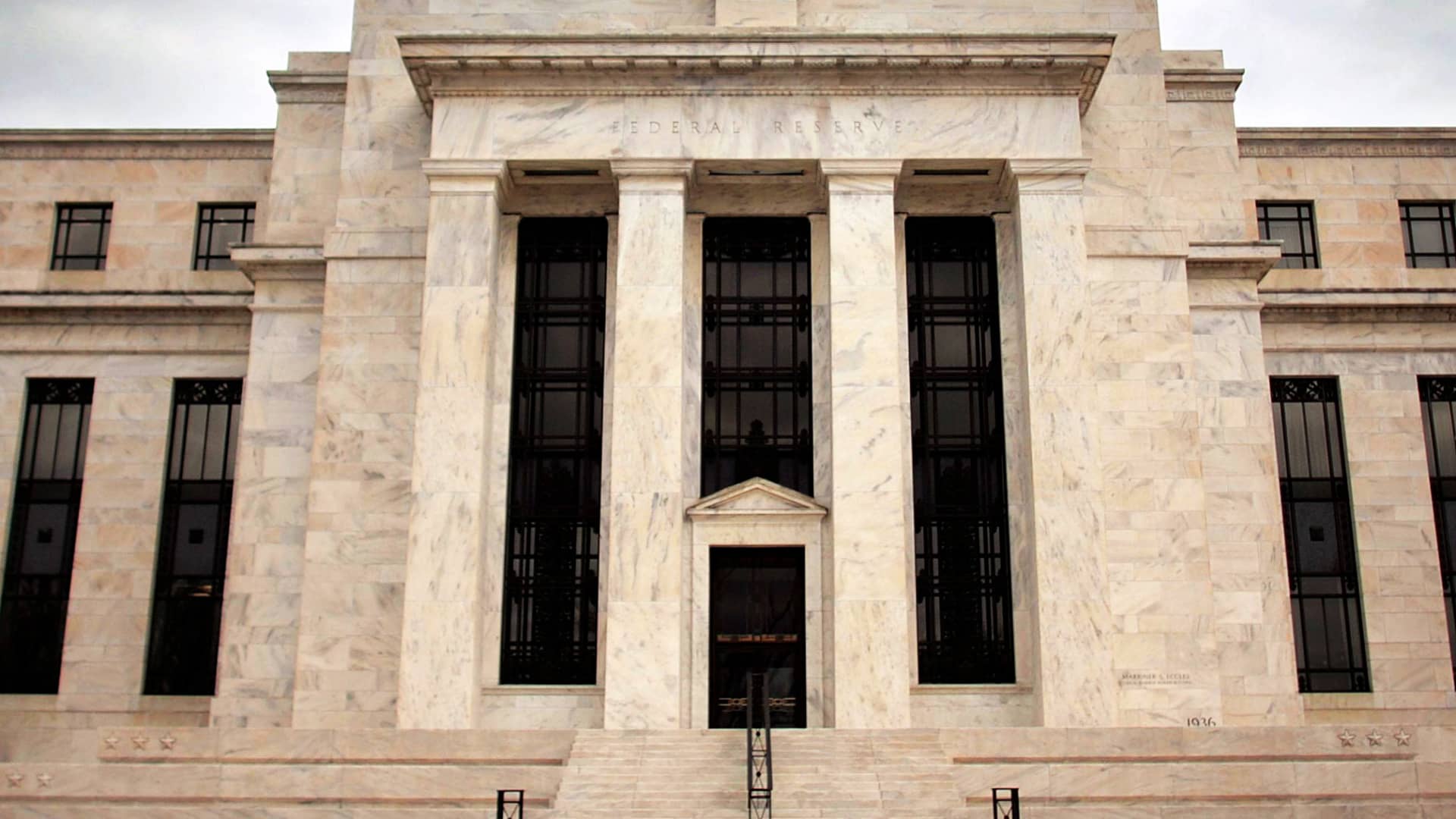
Treasury yields dipped ahead of PPI data early Thursday, Aug. 13, as investors waited for the July Producer Price Index report. The moves were modest, but the inflation release was the next scheduled data point for a bond market focused on the Federal Reserve outlook.
CNBC reported that the benchmark 10-year Treasury yield fell by more than one basis point to 4.674%. The two-year yield, which more closely tracks expectations for short-term Federal Reserve policy, declined by more than two basis points to 4.176%. The 30-year yield slipped about one basis point to 5.236%.
A basis point is one-hundredth of a percentage point. Treasury yields and bond prices move in opposite directions, so a falling yield corresponds with a rising bond price.
What were investors watching in the July PPI report?
The Bureau of Labor Statistics was scheduled to publish July PPI at 8:30 a.m. ET. Economists surveyed by Dow Jones expected the headline index to rise 0.2% from June, according to CNBC.
The PPI tracks prices received by producers for goods and services. The Bureau of Labor Statistics says its measures cover nearly all goods-producing industries as well as selected services and construction industries. For wholesalers and retailers, the index tracks changes in their gross margins, rather than treating the resold goods as their output.
Thursday's report was due one day after the July Consumer Price Index showed a 0.1% monthly increase, matching economists' expectations, CNBC reported. The same report said traders reduced their bets on a September Fed rate increase after the CPI release.
Recent producer-price data
The pending July number was separate from the June PPI report. The Bureau of Labor Statistics said final-demand producer prices fell 0.3% in June, following increases of 0.6% in May and 1.1% in April. On an unadjusted basis, final-demand prices were 5.5% higher than a year earlier in June.
Goldman Sachs wrote Thursday that it expected Federal Open Market Committee voters to view the July inflation readings it anticipated as acceptable, while looking for the August CPI and PPI reports before deciding whether to raise rates at the September meeting. Deutsche Bank's Jim Reid said the in-line July CPI result, alongside a second relatively encouraging core inflation reading and weaker employment data the prior week, left less pressure for immediate Fed action in September.
This story draws on original reporting from CNBC.