Trump Accounts launch as new child retirement savings option
The new 530A accounts offer tax-deferred investing for minors, with federal seed money for some children and contribution limits for families and employers.
By Theo Nakamura · Staff Writer
· 4 min read
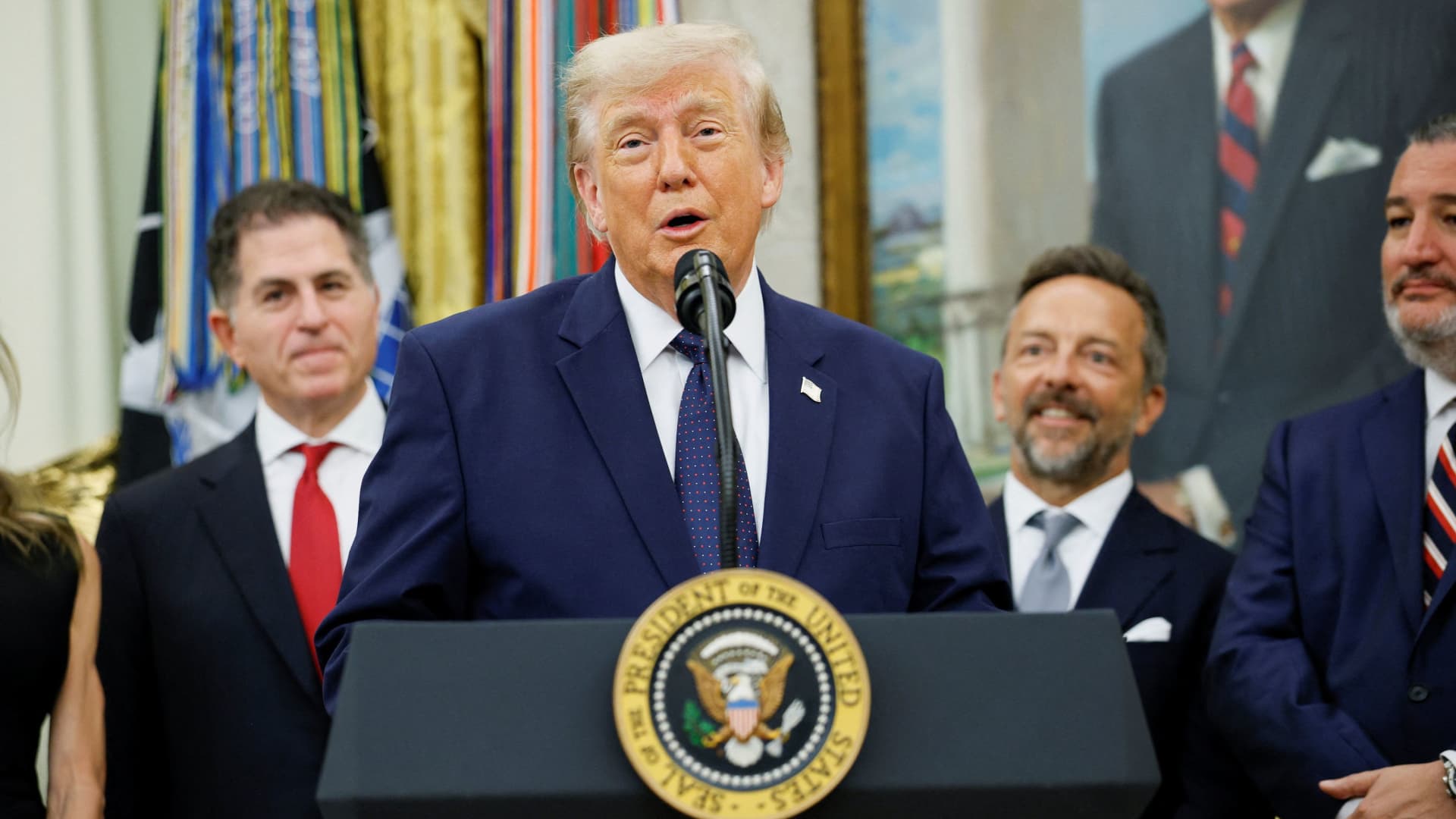
Trump Accounts are now available, giving families a new way to invest for a child’s long-term savings rather than near-term school costs. For everyday investors, the key difference is timing: these accounts are built more like retirement accounts than 529 college plans.
The accounts, also called 530A accounts, launched July 4 under President Donald Trump’s tax legislation. They work like an individual retirement account, or IRA, which is a tax-advantaged account typically used for retirement savings. The money grows tax-deferred, meaning taxes on investment gains are generally delayed until withdrawals.
Who can open one
Children under 18 qualify if they are U.S. citizens and have valid Social Security numbers, according to Treasury guidance cited by CNBC. An authorized adult can open the account for the child, including a parent, legal guardian, grandparent or sibling.
A state, territorial or tribal child welfare agency that serves as a legal guardian can also open an account for an eligible child in foster care, according to Treasury guidance.
Families can enroll through IRS Form 4547 with a tax return or at TrumpAccounts.gov. Enrollment must happen by the year before the child turns 18. A Treasury spokeswoman told CNBC that 6.5 million children had been signed up as of July 10.
How the $1,000 deposit works
The federal seed deposit applies to children born from 2025 through 2028. Those children can receive a one-time $1,000 contribution from the U.S. Treasury Department through a pilot program.
The deposit is made after an account is opened and verified, according to CNBC. Families can monitor the account through the Trump Accounts app, which was developed in partnership with Robinhood.
There is also a private contribution program from Michael Dell and Susan Dell. They committed $6.25 billion to provide an additional $250 for children born from 2016 through 2024 who live in ZIP codes with median income of $150,000 or less, according to a Dell Foundation fact sheet cited by CNBC. Children older than 10 may also receive funds if money remains after initial sign-ups, the fact sheet said.
Contribution limits and taxes
Parents, guardians, grandparents and other contributors can put in a combined $5,000 per child each year in after-tax money until the year before the child turns 18. That limit will be indexed for inflation after 2027.
Employers may contribute up to $2,500 per worker per year, according to IRS guidance. Those employer contributions count toward the $5,000 annual cap and are not treated as taxable income. The employer limit also adjusts for inflation after 2027.
Some qualified charitable organizations and state or local governments may contribute outside the $5,000 limit. A Treasury spokeswoman told CNBC that families had contributed almost $125 million in total as of July 10.
The IRS and Treasury Department said direct contributions to Trump Accounts do not create a gift-tax filing requirement, CNBC reported. Those gifts still count toward the annual gift tax exclusion, which is $19,000 per recipient for 2026.
Tax treatment depends on where the money comes from. Parent contributions are after-tax. The $1,000 pilot deposit, employer contributions, other qualified contributions and investment growth are treated as pretax, according to Treasury. Withdrawn earnings are taxed as ordinary income.
Withdrawals and investments
Money generally cannot be withdrawn before the child turns 18, with limited IRS exceptions such as certain rollovers, death distributions and excess contributions. After age 18, traditional IRA rules apply. Early withdrawals before age 59½ generally face income tax and a 10% penalty, though exceptions can apply for expenses such as higher education or a first home purchase.
Trump Account contributions will be invested in exchange-traded funds, or ETFs, that track broad U.S. stock indexes. Treasury said the default initial fund will be the State Street SPDR Portfolio S&P 500 ETF, ticker SPYM. Other listed options include IVV, VTI, SPTM and ITOT. Bank of New York Mellon will manage the initial accounts, according to Treasury.
Treasury guidance says activation emails will come from [email protected], and later messages will come through the app or email addresses ending in @trumpaccount.com. Treasury advises families to use the official app or type TrumpAccounts.gov directly into a browser.
This story draws on original reporting from CNBC.