Trump sets delayed tariff plan for imported generic drugs
Imported generic drugs would avoid new U.S. tariffs until 2028, then face steep levies meant to push production into the United States.
By Dev Ramirez · Crypto Correspondent
· 3 min read
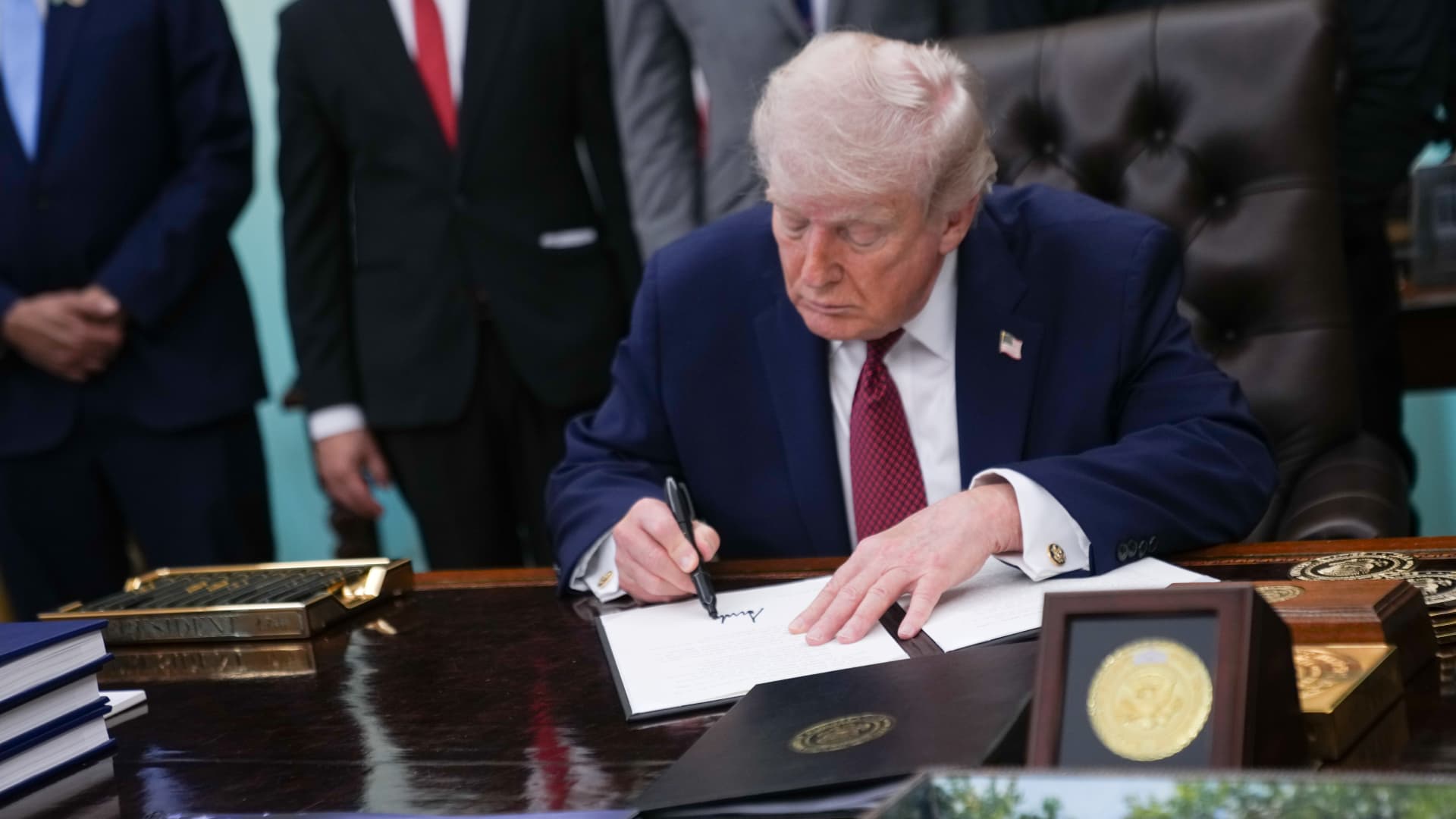
President Donald Trump said imported generic medicines will be spared new U.S. tariffs for two years, then face steep levies starting in 2028. For everyday investors, the plan puts fresh attention on pharmaceutical supply chains, especially companies tied to low-cost drugs made outside the United States.
Trump said in a Tuesday social media post that generic drugs brought into the U.S. will face a zero tariff rate for two years beginning Aug. 1. After that grace period, he said a 100% tariff will begin in August 2028, followed by a 200% tariff one year later.
A tariff is a tax charged on imported goods. In this case, the policy is designed to make foreign-made generics more expensive to import unless manufacturers shift production to the U.S. Trump described the future levies as a penalty for companies that do not build plants and facilities domestically during the two-year window.
Generics get a longer runway
Generic drugs are lower-cost versions of medicines whose original patents have expired. They make up a large share of everyday prescriptions, so the tariff schedule reaches a different corner of the drug market than branded pharmaceutical products.
Trump said tariffs on patented and branded drugs will remain unchanged. On April 2, he imposed a 100% levy on patented pharmaceutical products and ingredients under Section 232, a trade authority used for national security-related import restrictions. At that time, generic drugs, biosimilars and related ingredients were exempted.
The earlier pharmaceutical tariff order included phase-in periods for drugmakers. CNBC reported that larger drugmakers were given 120 days before the 100% rate applied, while smaller drugmakers that depend on contract manufacturers received 180 days.
The new generic-drug plan extends the administration’s use of tariffs as leverage over the pharmaceutical industry. Trump has also used a drug-pricing policy known as “most favored nation,” which links U.S. drug prices to lower prices charged in other high-income countries.
More than a dozen large drugmakers, including Eli Lilly, Pfizer and Novo Nordisk, have reached agreements with Trump to reduce prices on new and existing medicines, according to CNBC. Those deals are tied to the most-favored-nation policy and exempt the companies from tariffs for three years.
India and China are central to the supply chain
The plan could be especially relevant for India’s pharmaceutical sector. CNBC reported that Indian drug companies supply nearly 50% of generic medicines used in the U.S. Reuters has reported that the U.S. accounts for about one-third of India’s annual pharmaceutical exports, mostly lower-cost versions of widely used medicines.
China also plays a major role earlier in the drug supply chain. The Council on Foreign Relations has reported that Chinese companies dominate upstream supply of active pharmaceutical ingredients, the chemical components that make medicines work, including ingredients used in drugs such as amoxicillin and heparin.
For investors watching drugmakers, distributors and health-care costs, the key issue is timing. The tariff burden on imported generics would not begin immediately, based on Trump’s announced schedule, giving companies two years to decide whether to expand U.S. production, adjust supply chains or absorb future import costs.
This story draws on original reporting from CNBC.


