Trump forced labor tariffs face pushback from trade partners
U.S. partners challenged Trump’s new tariffs on forced-labor grounds, while most kept talks open instead of announcing retaliation.
By Dev Ramirez · Crypto Correspondent
· 3 min read
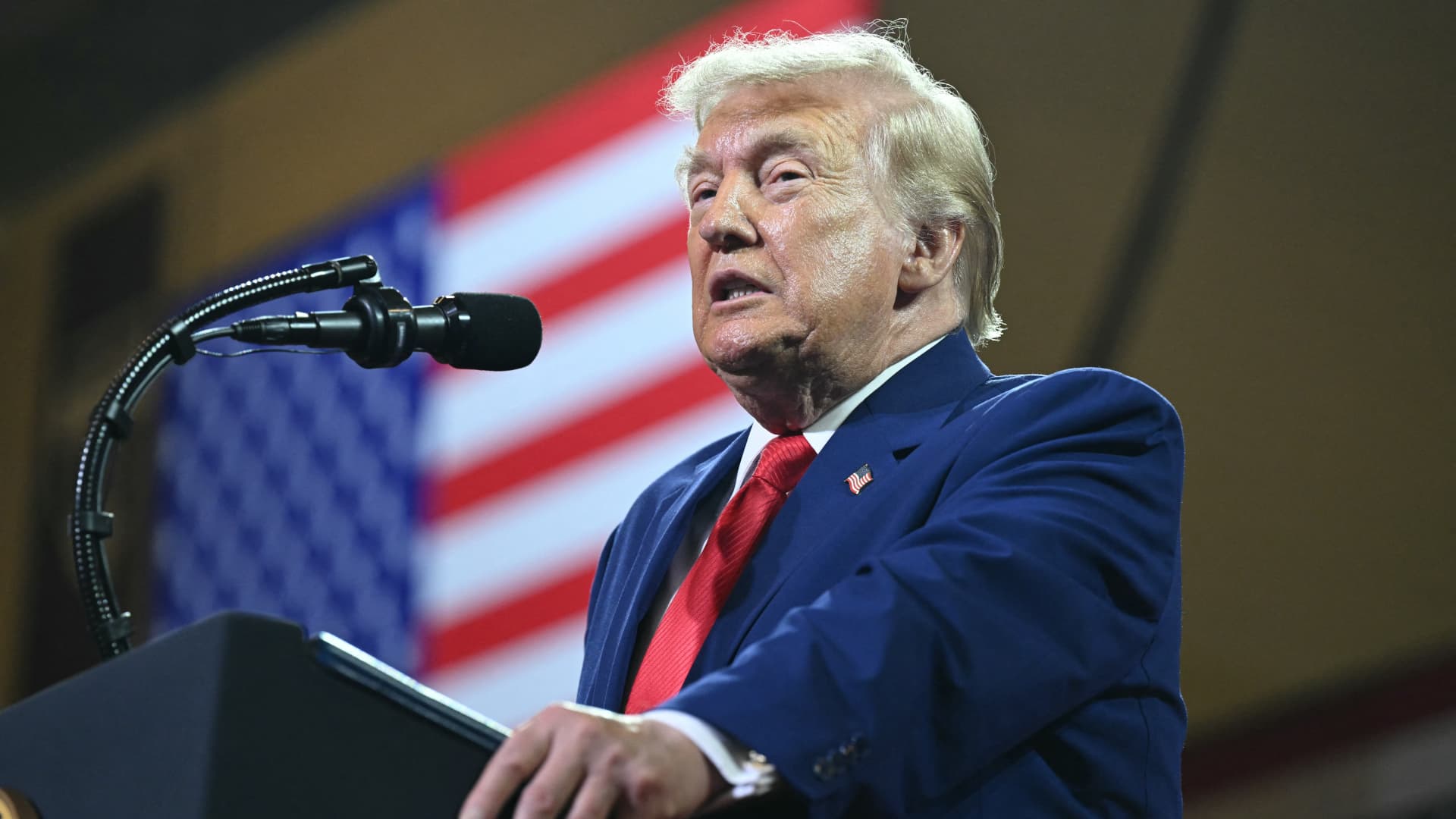
President Donald Trump’s forced labor tariffs are drawing objections from several U.S. trading partners, adding a new cost layer for companies that import goods into the American market. For retail investors, the issue is straightforward: tariffs are taxes on imports, and companies may absorb those costs, pass them to customers, or change supply chains.
The Office of the U.S. Trade Representative said Thursday it acted under Section 301 of the Trade Act of 1974 against 60 economies. Section 301 lets Washington respond to trade practices it views as unfair or discriminatory. In this case, USTR said the targeted economies failed to adopt and enforce import bans on goods made with forced labor.
The new duties apply to the top 60 U.S. trading partners and cover 99.4% of American imports, according to USTR. Countries that have adopted, or committed to adopt, import restrictions face a 10% tariff. Those that have not face a 12.5% tariff.
What are Trump forced labor tariffs?
The tariffs are a baseline duty tied to U.S. claims that trading partners have not done enough to block forced-labor goods from entering their own markets. The policy replaces a temporary 10% global tariff imposed under Section 122 of the Trade Act, which was set to expire July 24 after the Supreme Court ruled in February that Trump’s emergency-powers tariffs were unlawful.
That legal history matters because the administration is using a different trade-law route for the new duties. Analysts at the Peterson Institute for International Economics wrote this week that the forced-labor case is less a labor-standards action than a way to push other countries toward Washington’s ban on Chinese forced-labor goods and rebuild the tariff system the Supreme Court struck down.
Australia rejected the basis for the move. Trade Minister Don Farrell said the tariffs were unjustified, conflicted with Australia’s free trade agreement with the U.S., and should be removed. Farrell said Australia’s rules against forced labor and modern slavery are among the strongest globally and are recognized in the U.S.
Brazil’s government called the duties arbitrary and unjustified. President Luiz Inácio Lula da Silva said Brazil remained willing to negotiate, while also saying the country would look for other markets if it could not sell into the U.S. The new 12.5% levy comes on top of a separate 25% Section 301 tariff imposed on Brazilian goods this month, bringing the combined barrier to 37.5%.
Chile’s trade undersecretariat said the U.S. measure conflicted with Chile’s labor standards and with the evidence the country submitted during the investigation. The government also said the U.S. resolution did not claim Chile exports goods made with forced labor, and said it would seek exclusions for major export products.
Canada, which was placed in the 10% tier and received an exemption for goods that comply with the U.S.-Mexico-Canada Agreement, responded more cautiously. Dominic LeBlanc, Canada’s minister for Canada-U.S. trade, said the move was not unexpected, said Ottawa shares Washington’s goal on forced labor, and said Canada would keep engaging with U.S. officials.
New Zealand’s foreign ministry said in a market report that its trade minister told U.S. officials Wellington disagrees with the investigation’s findings. The report said exemptions already covering about 30% of New Zealand exports to the U.S., including beef and kiwifruit, remain in place.
No major U.S. trading partner has announced countermeasures in response to the forced-labor tariffs.
This story draws on original reporting from CNBC.


