Trump says Iran talks will resume Monday after planned strikes were paused
Trump said he paused planned U.S. strikes and expects Iran talks Monday, but no venue, participants or agreement have been announced.
By Jordan Bell · Startups & Deals Reporter
· 3 min read
President Donald Trump said Sunday that Trump Iran talks Monday would begin the following afternoon after he paused planned U.S. strikes on Iran. For investors watching energy markets, the announcement pointed to a possible diplomatic opening, but the terms, participants and location of any talks remained undisclosed, and no agreement had been reached.
Speaking to reporters aboard Air Force One on Aug. 2, Trump said Qatar, Saudi Arabia and the United Arab Emirates had urged him not to proceed with the strikes. He also said unnamed Iranian officials had asked for a pause. Trump described the planned operation as potentially the biggest attack since World War II, a characterization that has not been independently verified.
According to Associated Press reporting carried by WRIC, Trump said he chose to give diplomacy more time. That was an announced pause, rather than confirmation that negotiations had advanced or that a deal was imminent.
What would the proposed U.S.-Iran talks cover?
A regional official involved in mediation told the Associated Press that the reported framework would send Washington and Tehran back into negotiations over unresolved issues. The proposal would include reopening the Strait of Hormuz and stopping attacks across the region, including attacks by Iranian-backed militias in Iraq on Arab Gulf countries and Jordan.
In exchange, the official said, the United States would end its naval blockade on Iran and permit Tehran to export oil. The official stressed that mediation was still under way and that no deal had been completed.
Trump said an emerging arrangement would address the waterway and U.S. concerns over Iran’s nuclear program. He did not identify the people who would attend Monday’s expected talks or say where they would be held.
Iran’s Oman discussions are a separate track
Iran is also discussing shipping arrangements in the Strait of Hormuz with Oman, which lies across the waterway, but Iranian Foreign Ministry spokesperson Esmail Baghaei said there was no current discussion of reopening the strait, according to the AP report. Baghaei also said the waterway would not return to its status before Feb. 28, when the war began.
Those Oman discussions should not be read as a settled U.S.-Iran agreement. Reporting said the shipping route being discussed with Oman was separate from the question of whether the strait would reopen or remain closed.
Why the Strait of Hormuz remains central
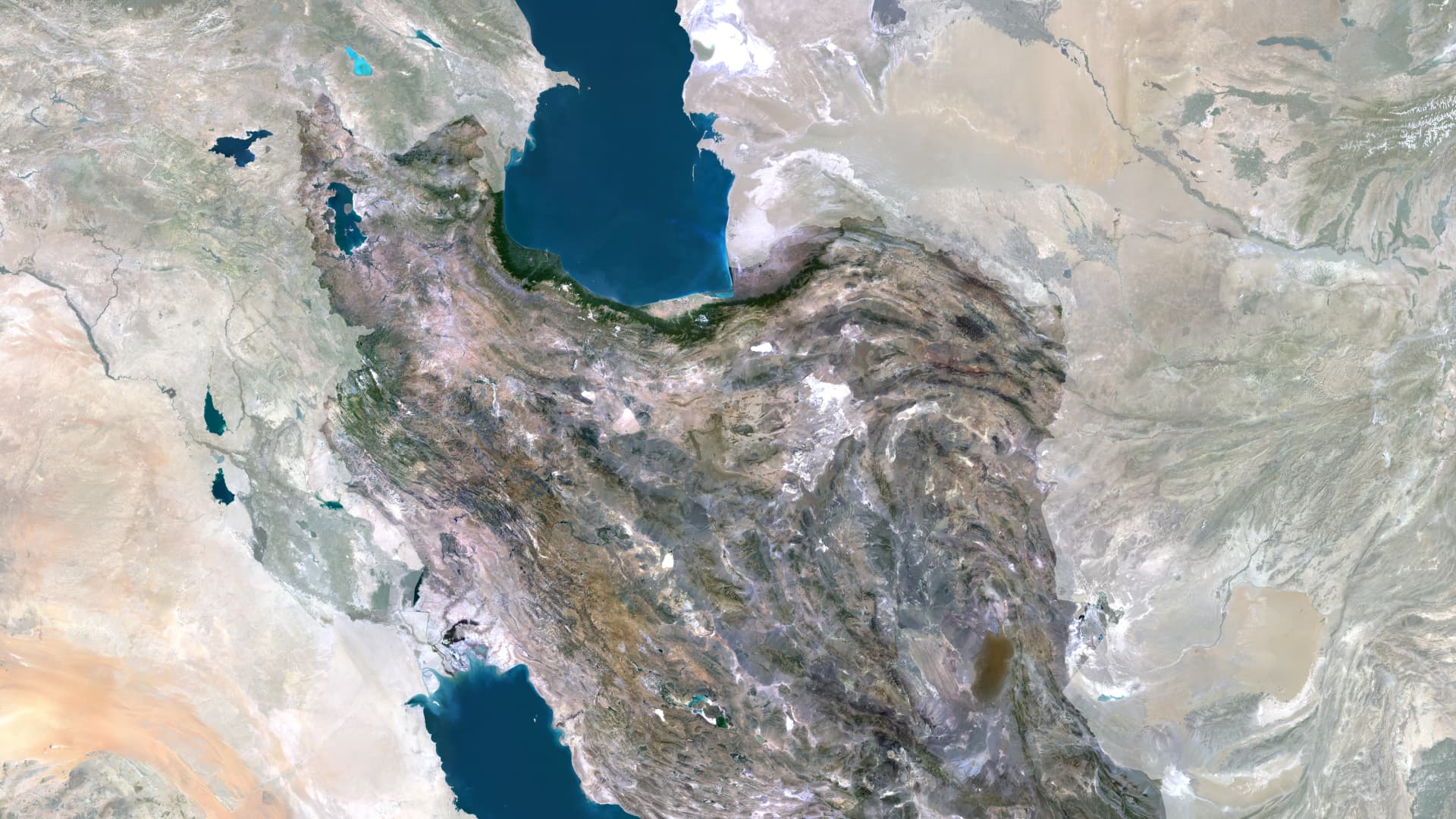
The Strait of Hormuz is a narrow shipping route used by oil and gas cargoes leaving the Gulf. The International Energy Agency says disrupted flows through the strait and attacks on regional energy infrastructure carry major consequences for energy security, affordability and the global economy. The agency says a full return of flows through Hormuz is the most important variable in relieving pressure on energy supplies, prices and the economy.
Crude prices fell on Monday as news of the planned talks raised hopes of a diplomatic outcome. CNBC reported that Brent crude was down 4.6% at about $83.96 a barrel and U.S. crude was down roughly 4.7% at $80.60. Shipping risks nevertheless continued: the U.K. Maritime Trade Operations said it received a report of an explosion near a tanker northeast of Khasab, Oman, on Sunday; the vessel and crew were safe and authorities were investigating.
This story draws on original reporting from CNBC.