Trump weighs federal options against NYC pied-à-terre tax
Trump said the NYC pied-à-terre tax must be stopped, but no federal action has been announced as a separate state case proceeds.
By Jordan Bell · Startups & Deals Reporter
· 3 min read
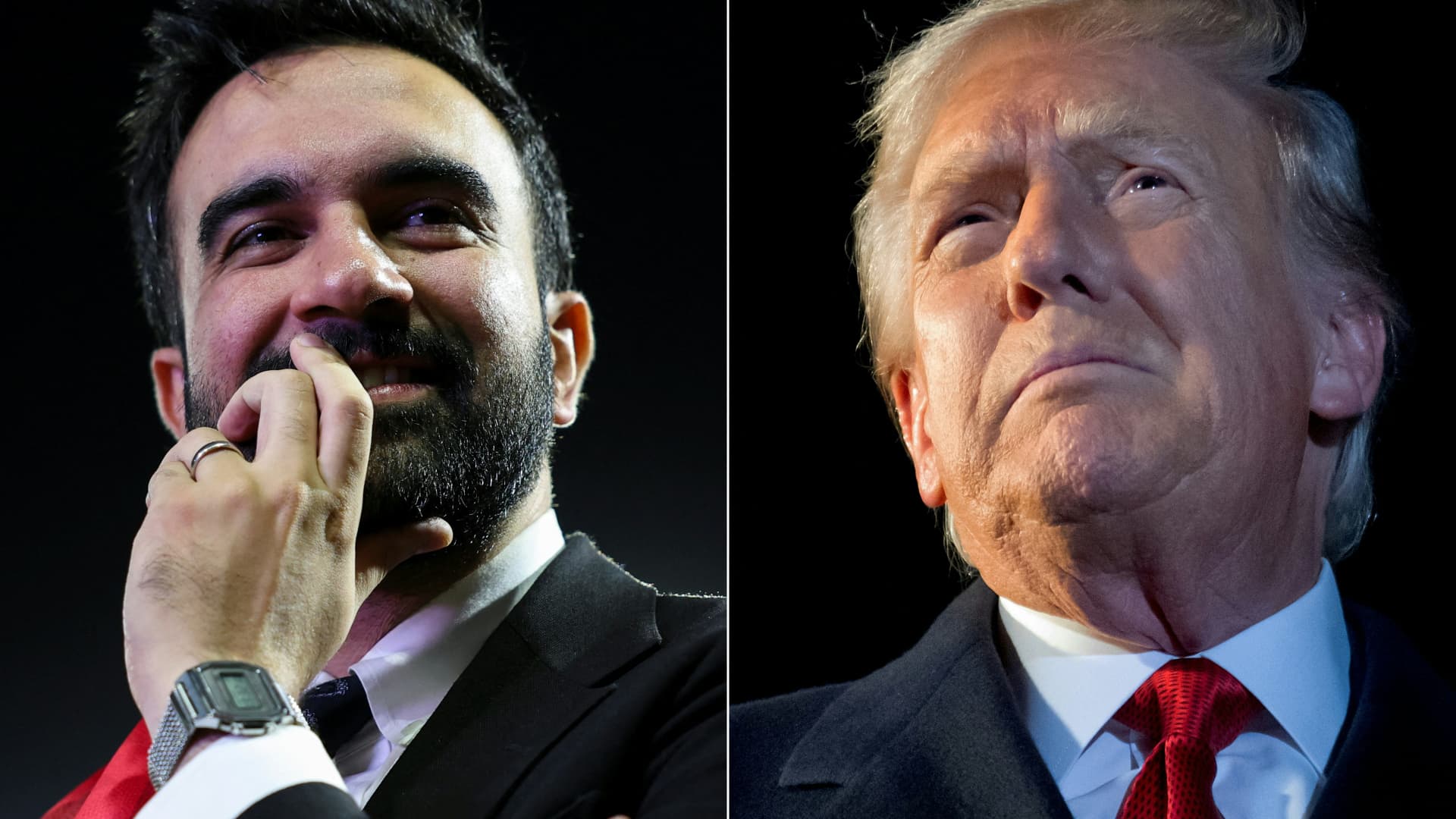
President Donald Trump said he is examining whether Washington can intervene against New York City’s new surcharge on non-primary homes, but the Trump NYC pied-à-terre tax dispute has not produced a federal lawsuit, order or other federal action. For investors and property owners, the immediate legal fight remains in New York state court and concerns how the city is putting the levy into effect.
In a Tuesday Truth Social post, Trump said the tax “must be stopped” and that he was looking into whether the federal government had legal authority to prevent it, according to CNBC. He also argued that the policy could drive people to lower-tax areas, an assertion he did not support with evidence in the post.
The surcharge was championed by Mayor Zohran Mamdani and passed by the New York State Legislature in late May, CNBC reported. The city calls it a non-primary-residence property surcharge, meaning it can apply when an owner has another home as their main residence.
Has Trump blocked the NYC pied-à-terre tax?
No federal block has been announced in the available reporting. Trump said only that he was considering whether the federal government has a legal path to act. Whether such intervention is legally available remains unresolved.
A separate lawsuit over the city’s rollout is already underway. Staten Island Judge Wayne Ozzi issued a temporary restraining order on Aug. 10 after homeowners challenged the administration of the surcharge, according to Politico. The city quickly appealed, which automatically suspended that order until a higher court reviews the matter.
The homeowners objected to the city’s publication of a list of more than 900,000 properties that could potentially be covered and notices sent to roughly 17,000 owners believed to be subject to the surcharge, Politico reported. Their suit alleges the city improperly placed the burden on residents to show they are exempt. Those are allegations, not court findings.
How does New York City’s surcharge work?
According to a July 23 announcement from the New York City mayor’s office, the policy can cover one- to three-family homes, condominiums and co-ops whose owners maintain a separate primary residence. The Department of Finance began sending notices to owners who may be covered and set up an online eligibility tool and documentation process for exemption requests.
The city said it added 13 Department of Finance jobs and 11 positions at the Office of Administrative Tax Appeals to administer the program. It has described the revenue as support for public services, including parks, schools and libraries.
Eligibility thresholds are not fully clear from the available materials. Reports describe different property-value cutoffs, so owners should use the city’s official eligibility process rather than rely on a broad media description. Mamdani initially estimated the policy could raise $500 million, while CNBC reported that Comptroller Mark Levine later put the range at $340 million to $380 million.
Mamdani has said the city will defend its position in court. The state appeal, rather than Trump’s possible federal response, is the active next step shown in current reporting.
This story draws on original reporting from CNBC.