Trump tariffs on 60 trade partners set to replace expiring global duties
New U.S. import duties of 10% to 12.5% are set for Friday, replacing expiring global tariffs and affecting most U.S. trade.
By Dev Ramirez · Crypto Correspondent
· 3 min read
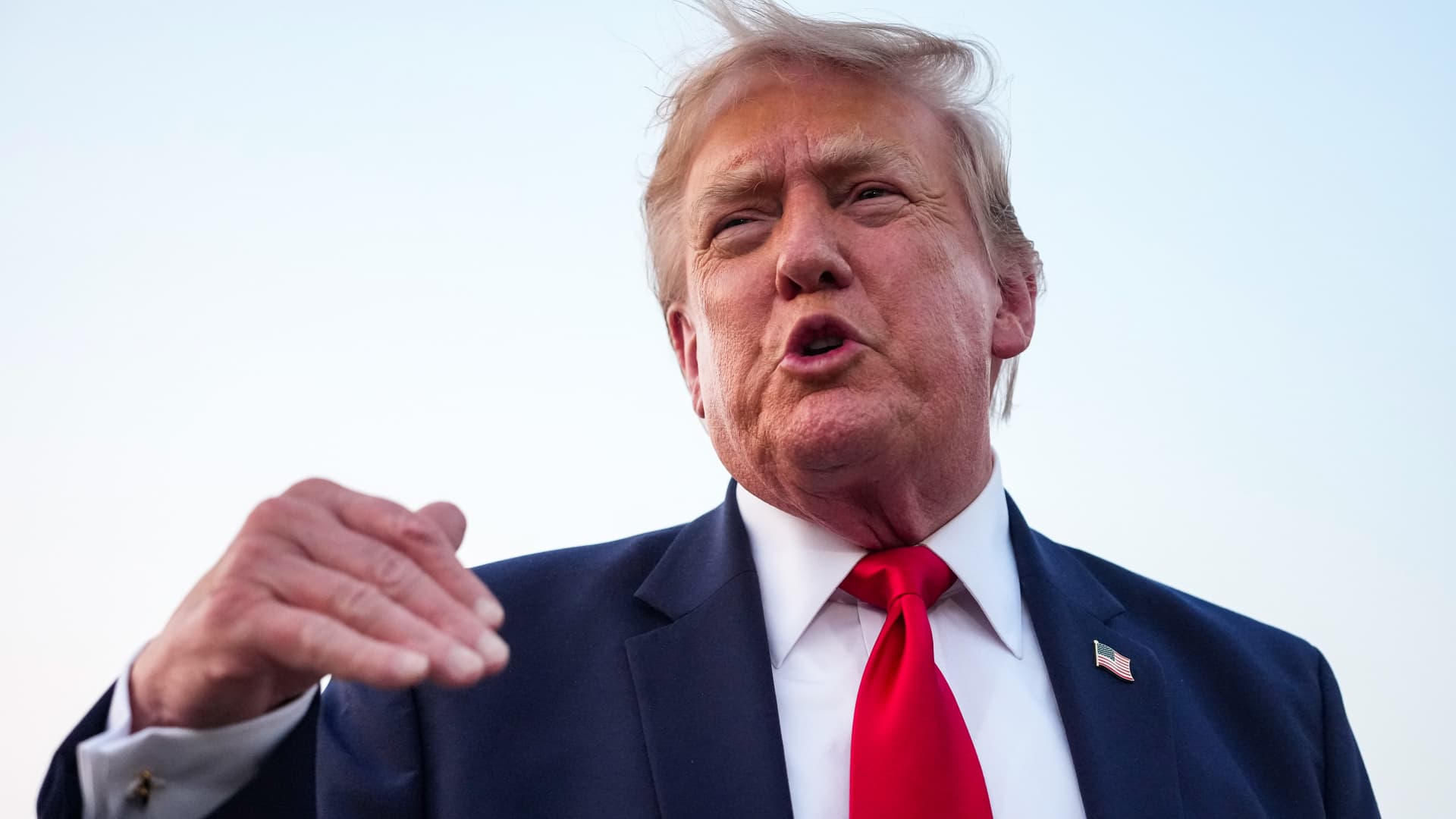
The Trump tariffs on 60 trade partners are set to begin at 12:01 a.m. ET Friday, replacing a temporary global tariff program that expires at the same time. For investors, the shift matters because tariffs are import taxes paid by U.S. importers, and critics cited in the trade debate say they can raise costs for companies and prices for consumers.
The new duties will range from 10% to 12.5%, according to a Federal Register notice and the Office of the U.S. Trade Representative. USTR said in a Thursday fact sheet that the measures apply to dozens of countries and the European Union, covering 99.4% of U.S. trade.
The administration is framing the action around alleged forced-labor violations. USTR said the tariffs follow investigations into whether the targeted trade partners failed to adequately ban forced-labor practices in trade with the United States.
What are Trump’s new tariffs on 60 trade partners?
The new tariffs are duties on imports from targeted trade partners, set under Section 301 of the Trade Act of 1974. Section 301 lets the U.S. respond to foreign trade practices that the government finds unfair or burdensome to American commerce.
A senior Trump administration official told reporters Thursday that the action is “the most sweeping international labor rights action the United States has ever taken,” according to CNBC. The official also said the new duties will not be added on top of existing steel and aluminum tariffs imposed under Section 232, a separate trade authority tied to national security.
USTR told CNBC it could not estimate how much revenue the new tariffs will raise. President Donald Trump has argued that tariffs bring in money for the government and give Washington leverage in trade talks. Critics cited by CNBC argue that the cost lands first on U.S. importers and can move through supply chains into higher consumer prices.
Why the timing matters
The Friday start time lines up with the expiration of Trump’s temporary 10% global tariffs. Those duties were imposed under Section 122 of the 1974 trade law after the Supreme Court struck down Trump’s earlier global “liberation day” tariffs on Feb. 20, according to CNBC.
Section 122 tariffs carried a 150-day limit, which runs out at 12:01 a.m. ET Friday. The new Section 301 tariffs effectively take their place, with rates slightly above the prior 10% level for some imports.
The move adds to a broader restart of Trump’s tariff agenda after legal setbacks earlier in the year. The White House recently put 25% tariffs on most U.S. imports from Brazil, which took effect Wednesday, and announced 50% tariffs on a wide range of Canadian goods scheduled to begin next month, according to CNBC.
What USTR says comes next
The forced-labor tariffs were proposed in early June after the Trump administration said the targeted economies had not done enough to address forced labor in trade with the U.S. In March, the administration also opened a separate Section 301 probe focused on excess manufacturing capacity in 16 economies, though CNBC reported that investigation has not been finalized.
U.S. Trade Representative Jamieson Greer told the Senate on Wednesday that the administration would keep using tariffs and trade negotiations to support U.S. industrial policy, protect workers, raise wages and reduce the trade deficit.
For public-market investors, the immediate question is which companies have the most exposure to imported goods from the affected trade partners. The announcement does not include a revenue estimate from USTR, and it does not by itself show how much of any added cost companies may absorb, pass along to customers or offset elsewhere.
This story draws on original reporting from CNBC.


