Trump threat puts Iran’s Pickaxe Mountain nuclear site in focus
The underground facility near Natanz is drawing new attention as Trump signals possible U.S. strikes and Iran warns of wider conflict.
By Dev Ramirez · Crypto Correspondent
· 3 min read
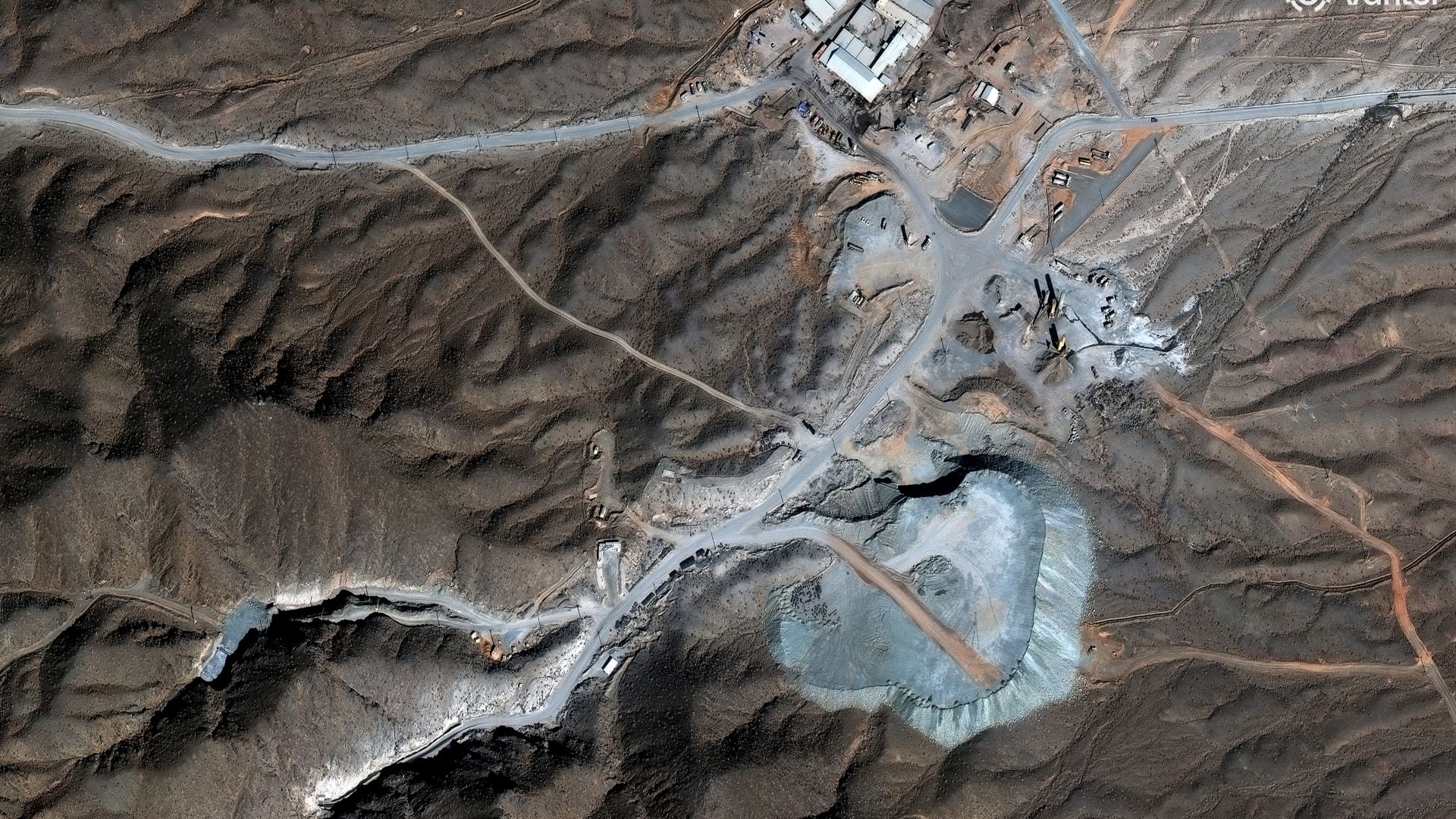
President Donald Trump’s threat to strike Pickaxe Mountain, an underground nuclear facility in Iran, has raised the stakes in the U.S.-Iran war and put a heavily protected site near Natanz back in focus. For investors, the pressure point is the Strait of Hormuz, where U.S. military action is tied to commercial shipping and broader market risk.
Trump told reporters in Washington on Tuesday that the U.S. military was likely to target the area soon. He described Pickaxe Mountain as a key underground site next to an Iranian nuclear facility and said the U.S. would hit it “very heavily.”
Iran’s Khatam Al-Anbiya military command said such an attack would amount to “an explosion of war in the region,” according to comments reported by the BBC from Iranian state broadcaster IRIB. The command also threatened strikes against “all the interests of America, the allies and supporters,” according to the report.
What is Pickaxe Mountain?
Pickaxe Mountain is located south of Iran’s Natanz enrichment plant. In Iran, the site is known as Kuh-e Kolang Gaz La, according to CNBC.
Construction began in 2020, according to the Institute for Science and International Security. At that time, Iran said the underground facility would replace a centrifuge plant at Natanz that had been destroyed, the institute said. A centrifuge is equipment used in uranium enrichment, the process at the center of disputes over Iran’s nuclear program.
The site’s underground design is part of why it is drawing attention. CNBC described Pickaxe Mountain as one of Iran’s most secure and protected facilities. A Vantor satellite image from Nov. 14, 2025, showed tunnel construction activity and a large spoil pile near the Natanz nuclear complex at Pickaxe Mountain, according to the image caption. A spoil pile is excavated material removed during digging.
How the threat fits into the wider conflict
U.S. Central Command has struck Iranian targets for 11 consecutive nights, CNBC reported. The targets have included military operations centers, drone storage sites and military logistics infrastructure.
The stated aim of the U.S. campaign is to weaken Iran’s ability to control commercial shipping in the Strait of Hormuz, CNBC reported. That makes the conflict relevant beyond military and diplomatic circles. Shipping disruptions can affect global trade, energy flows and inflation expectations, all of which can move markets.
The threat to Pickaxe Mountain also comes after a temporary diplomatic framework appeared to pause the fighting. The U.S. and Iran signed an interim memorandum of understanding on June 17, CNBC reported. An interim memorandum of understanding is a temporary written framework that outlines what each side has agreed to pursue while final terms remain unsettled.
That document halted military operations, called for the reopening of Hormuz and created a 60-day period for negotiations toward a permanent agreement, including terms related to Iran’s nuclear program, according to CNBC. The same document did not settle how the Strait of Hormuz would be managed in the future.
Trump’s latest comments shift attention from shipping pressure and military infrastructure to a nuclear-linked underground site. Iran’s response shows that Tehran is framing any strike on Pickaxe Mountain as a major escalation, while the U.S. has already been carrying out nightly attacks on Iranian targets.
This story draws on original reporting from CNBC.


