Trump-Warsh Fed calls renew scrutiny of central bank independence
Reports of repeated Trump calls to Fed Chair Kevin Warsh raise a credibility question, though no evidence shows rate-policy pressure.
By Maya Okafor · Markets Writer
· 3 min read
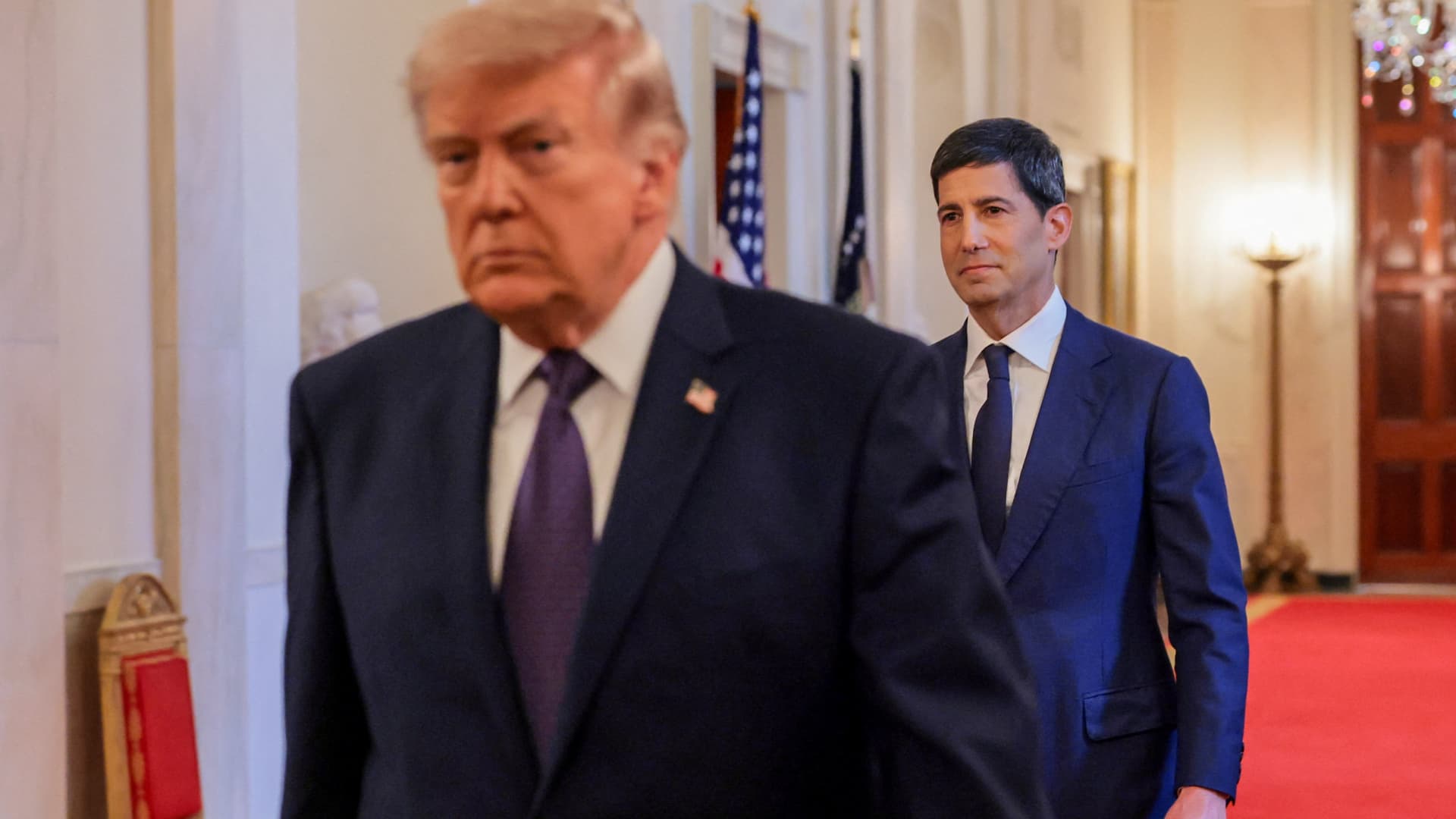
Trump-Warsh Fed calls are drawing attention because the Federal Reserve’s credibility depends on investors believing its rate decisions are driven by economic evidence, not presidential preference. The reported contact does not establish that President Donald Trump has tried to direct Chair Kevin Warsh’s policy decisions, but it renews scrutiny of how the Fed preserves its independence.
The Wall Street Journal reported Aug. 5, citing people familiar with the matter, that Trump has spoken repeatedly with Warsh since he became Fed chair. The calls reportedly come in clusters, with several over a period of days followed by quieter stretches. Trump has sought Warsh’s views on how the war in Iran and the rapid expansion of artificial intelligence are affecting the economy, according to the Journal.
There is an important limit to what is known. The Journal said it was unclear whether the two had discussed monetary policy. A person familiar with the conversations said Trump had not raised interest rates with Warsh since Warsh’s Senate confirmation.
Why do Trump’s calls with Kevin Warsh matter?
Congress gave the Fed two monetary-policy goals: maximum employment and stable prices. It also gave the central bank operational independence so its officials can make longer-term decisions based on data and objective analysis, according to the Federal Reserve.
That structure does not bar communication between a president and the Fed chair. But the Fed’s policy stance influences short-term interest rates and financial conditions more broadly. Those conditions, in turn, affect household and business spending, economic activity, employment and inflation, the Fed says.
For investors, the issue is therefore confidence in the decision-making process. If markets come to doubt that the Fed will act on inflation or growth based on its assessment of the data, that doubt can feed into financial conditions. CNBC reported that commentators questioned Warsh’s credibility after his second press conference last week, and that investors sold long-term government debt as a hedge against the possibility that he would not follow through on an inflation-fighting stance. CNBC presented that as market concern, not proof that Warsh had changed policy because of Trump.
What Warsh and the White House say
Warsh has publicly said he will make his own calls. During July testimony highlighted by PBS NewsHour, he said his commitment was to follow the law, the data and the Fed’s best judgment, including if the president publicly criticized him. He also said the Fed must consider developments such as wars and other conflicts before reaching its own decision.
The White House says Trump is respecting that boundary. Spokesman Kush Desai said Trump was giving Warsh the space needed to restore confidence and competence in Fed decision-making and respected his independence, CNBC reported. An unnamed White House official described Warsh as a sounding board for a president who consults people he trusts.
The contrast with Trump’s relationship with former Chair Jerome Powell is notable background, though it does not prove influence over Warsh. CNBC reported that Fed calendars showed one direct Trump-Powell meeting during Trump’s second term through Warsh’s May 22 swearing-in. The Journal described the newer line of communication as a break from recent practice.
Warsh’s test is straightforward: maintain decisions that are clearly grounded in the Fed’s mandate and explain them clearly enough that regular access to the White House does not become a reason for investors to question the institution’s independence.
This story draws on original reporting from CNBC.