Uber-Waymo D.C. robotaxi bill fight puts drivers at center
Uber is siding with labor groups on parts of a D.C. robotaxi bill as its Waymo partnership shows strain and driver job concerns grow.
By Dev Ramirez · Crypto Correspondent
· 4 min read
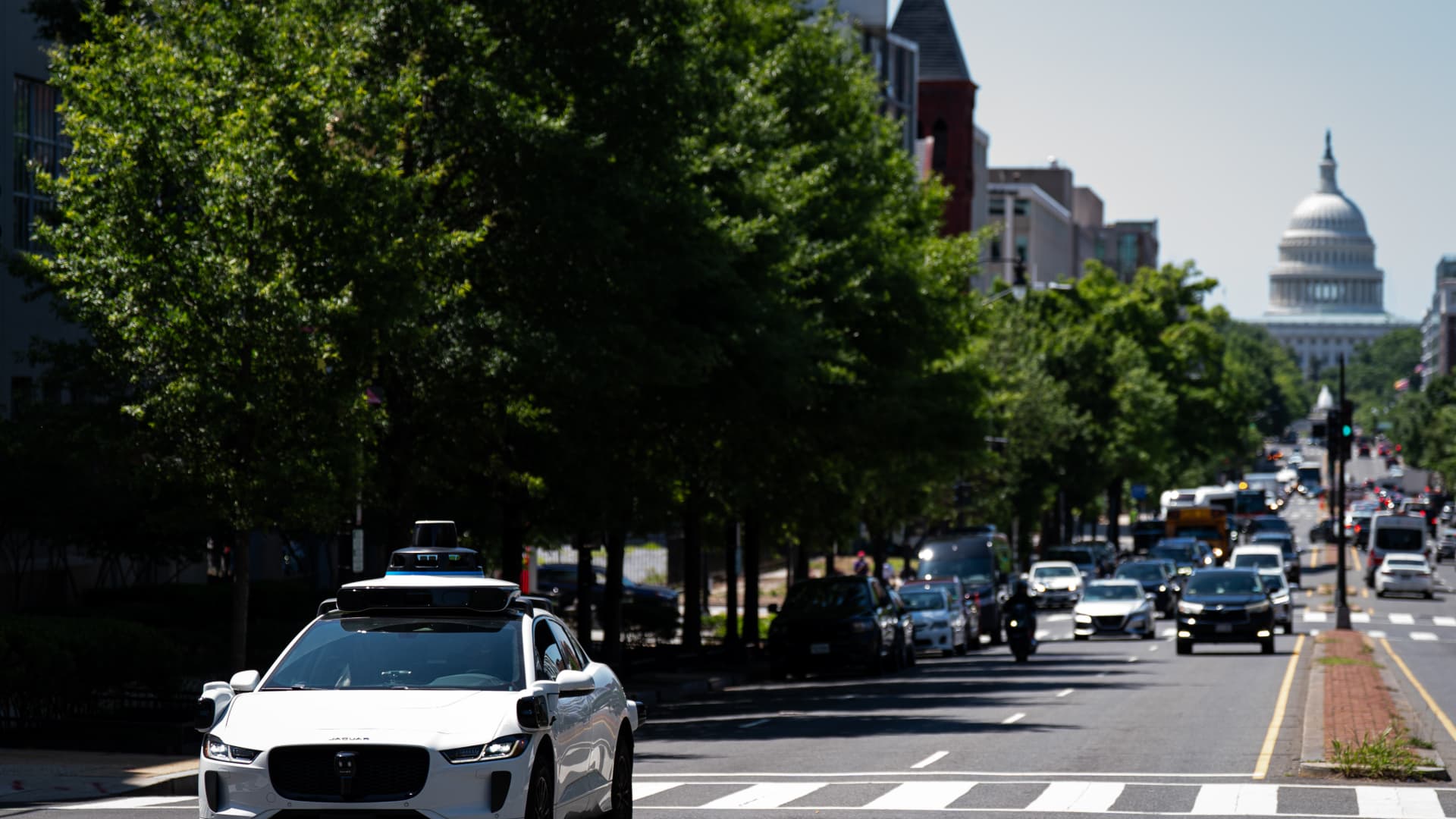
The Uber-Waymo D.C. robotaxi bill fight is turning a local transportation proposal into a bigger test for autonomous vehicles, gig work and two major tech players. For everyday investors, the debate shows how regulation and labor pressure can shape the rollout of robotaxis before the business model is fully settled.
Washington’s Council is considering the Autonomous Vehicle Deployment Authorization Amendment Act, which would permit broader use of autonomous vehicles, or AVs, to move passengers and goods in the District. An AV is a vehicle designed to drive itself without a human controlling every trip.
What is the D.C. autonomous vehicle bill?
The bill would create a path for wider deployment of driverless transportation in Washington, D.C. CNBC reported that labor groups have pushed back because they fear the technology could reduce wages and eliminate work for drivers in a city where app-based driving is a meaningful part of the job market.
Axios reported in 2024 that Washington had as many as 35,000 gig work drivers, equal to about 9% of its labor force. WJLA reported that the broader D.C. metro area lost more than 100,000 jobs over a year, largely tied to federal job cuts.
At a mid-July public comment session, Crystal Middleton, a part-time rideshare driver and member of 32BJ SEIU, said she did not understand why the council would consider allowing Waymo into the city during an unemployment crisis. She argued that the company could displace thousands of local drivers and that robotaxis would not contribute to the city in the same way residents do.
Why is Uber siding with labor groups on robotaxis?
Uber still supports autonomous vehicle technology. Harry Hatfield, Uber’s director of AV and AI policy, told the D.C. Council in prepared testimony that AVs could improve safety, speed up electrification, expand transportation access and lower costs.
Uber’s objection is aimed at how the rollout is structured. Hatfield said the bill does not give enough attention to workers affected by the shift and argued that human drivers and AVs should operate together in a hybrid network. He cited studies from San Francisco and Los Angeles showing that driver utilization and earnings fell as AV-only fleets competed with human drivers. According to Hatfield, one AV in California now does the work of about four drivers.
That position puts Uber near unions in the D.C. debate, even though the company has spent years clashing with organized labor over driver classification, working conditions and benefits. In California, Uber spent more than $59 million supporting Proposition 22 in 2020, the ballot measure that kept app-based drivers classified as independent contractors rather than employees after a state law had sought to reclassify them.
Uber has also invested heavily in autonomous transportation. CNBC reported that Uber Autonomous Solutions was created in February to help bring autonomous platforms to market. The Financial Times reported that Uber set aside $7.5 billion for robotaxi fleet development and another $2.5 billion for equity investments in AV developers including WeRide and Nuro.
Why are Uber and Waymo split over the bill?
The policy fight comes as Uber’s relationship with Alphabet’s Waymo is under pressure. The Financial Times reported that the partnership has soured, and CNBC reported that exclusivity arrangements in Austin and Atlanta are scheduled to end in 2028.
Uber CFO Balaji Krishnamurthy said in a post on X that Uber was responding to legislation it viewed as flawed. He said a New Jersey bill under consideration before Uber’s advocacy would have banned Tesla and Zoox, while the D.C. bill would have banned hybrid networks entirely.
Waymo has disputed that reading. In public comments, the company said the D.C. bill and similar proposals would not block hybrid networks, according to CNBC. A Waymo spokesperson told TechCrunch that the company would welcome changes making clear that different types of networks can operate in the District.
Matthew Walsh, Waymo’s regional head of state and local public policy for the U.S. East, told CNBC by email that Waymo wants to work with the committee, transportation officials and local stakeholders on a safer and more equitable transit system. Axios reported that Waymo said it would hire hundreds of employees in D.C. if the bill passes.
What are unions worried about?
Labor groups are focused on job losses and safety concerns, rather than taking sides in the corporate fight. ATU Local 689 told CNBC that AV expansion in the D.C. region could cost hundreds, if not thousands, of jobs and worsen congestion through more single-occupancy vehicles.
The union also warned that rideshare AVs could open the door to autonomous freight trucks, school buses or public buses, which it described as dangerous. For Washington, the decision is no longer only about whether robotaxis work on the road. It is also about who gets protected as the technology moves from pilot programs into daily transportation.
This story draws on original reporting from CNBC.


