Ukraine Caspian Sea strikes draw Iranian protest
Iran summoned Ukraine’s diplomat after a Caspian Sea attack it said killed one sailor, adding pressure to a tense oil market.
By Maya Okafor · Markets Writer
· 3 min read
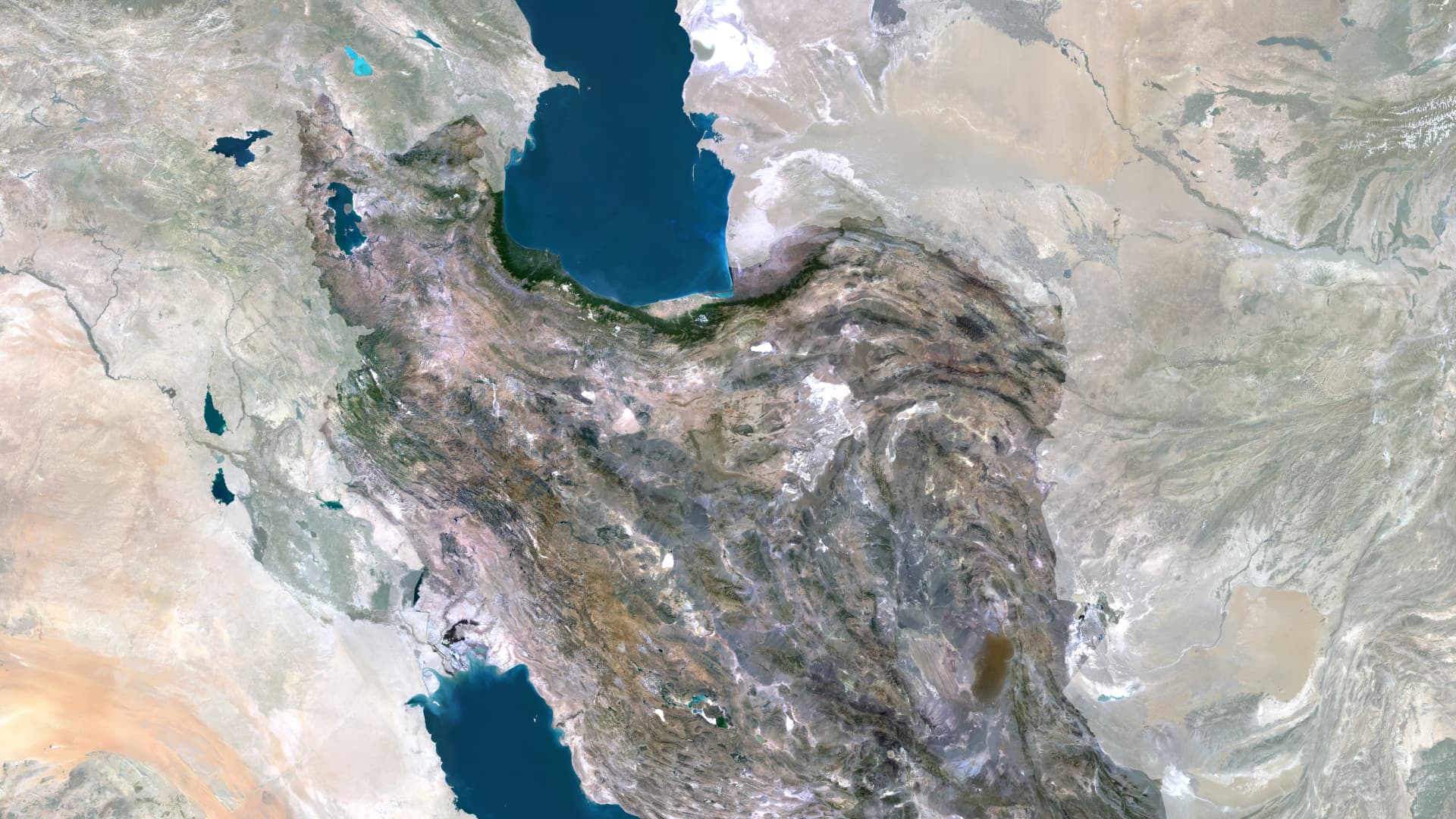
Ukraine Caspian Sea strikes have opened a new point of friction between Kyiv and Tehran, with Iran summoning Ukraine’s chargé d’affaires in Tehran on Sunday to protest an attack on an Iranian commercial vessel. For everyday investors, the issue is less about one ship and more about how military action near energy and shipping routes can feed into oil prices and market risk.
Iran said one sailor was killed and several others were injured in the attack. Iran’s Islamic Republic News Agency reported that the foreign ministry delivered what it called a strong protest over a “hostile and criminal act.”
What did Ukraine hit in the Caspian Sea?
Ukrainian President Volodymyr Zelenskyy said Saturday on X that Ukrainian forces had achieved strong results with long-range strikes in the Caspian Sea. He said the targets included vessels used in military cargo shipments involving Iran and a warship.
Zelenskyy’s comments came as Ukraine continues to target Russian assets far from the front line. Russia has used Iranian-designed Shahed drones in its war against Ukraine, a weapon analysts have described as a low-cost alternative to a cruise missile.
Iran framed the Caspian Sea incident as an attack on a commercial vessel. Ukraine framed the strikes as part of its campaign against military-linked logistics tied to Russia’s war effort.
How does this connect to the wider Middle East conflict?
The Caspian Sea attack came alongside fresh fighting tied to Iran-backed groups elsewhere in the region. Saudi Arabia carried out military strikes on Houthi targets in Yemen after the rebel group attacked Red Sea shipping in recent days. Saudi air defenses reportedly intercepted two ballistic missiles from Yemen on Saturday.
The fighting in the Red Sea and Caspian Sea occurred during a pause in U.S. strikes on Iran after 13 consecutive nights of attacks. Asked about the pause, a senior Trump administration official told Reuters that President Donald Trump prefers diplomacy, while saying he had shown Iran the consequences if it does not engage seriously.
The New York Times, citing administration officials, reported that Trump has put aside for now plans to sharply increase U.S. military attacks on Iran. The report said concerns included lower stockpiles of Patriot anti-missile interceptors and other air defense munitions.
What is happening around the Strait of Hormuz?
U.S. Central Command said late Saturday that its naval blockade against Iran remains in effect. CENTCOM said that as of July 25 it had redirected 12 commercial vessels trying to run the blockade, disabled two that did not comply and boarded two to check compliance.
Iran’s Islamic Revolutionary Guard Corps Navy said on Telegram early Sunday that it had established complete authority over the Strait of Hormuz. It said it forced six ships to anchor after warnings over the previous 24 hours.
Formal high-level talks between the U.S. and Iran have stalled, but Iranian Foreign Ministry spokesman Esmail Baghaei said technical discussions with Oman on the Strait of Hormuz continued over the weekend.
Oil traders reacted to possible diplomacy. Brent crude futures, the international benchmark, fell nearly 4% Friday to close at $96.78 a barrel, while U.S. West Texas Intermediate crude futures dropped 3% to settle at $89.31. Futures are contracts tied to oil delivery at a later date, and they often move quickly when traders reassess supply risk.
Reuters reported that three sources said Pakistan is seeking a way to restart U.S.-Iran talks, with the effort backed by China. That report helped push oil prices lower Friday, according to CNBC.
This story draws on original reporting from CNBC.


