Ukraine strikes Yaroslavl refinery in long-range drone attack
Ukraine said it hit two Russian refineries, while Yaroslavl officials reported a storage-tank fire and four injuries.
By Dev Ramirez · Crypto Correspondent
· 2 min read
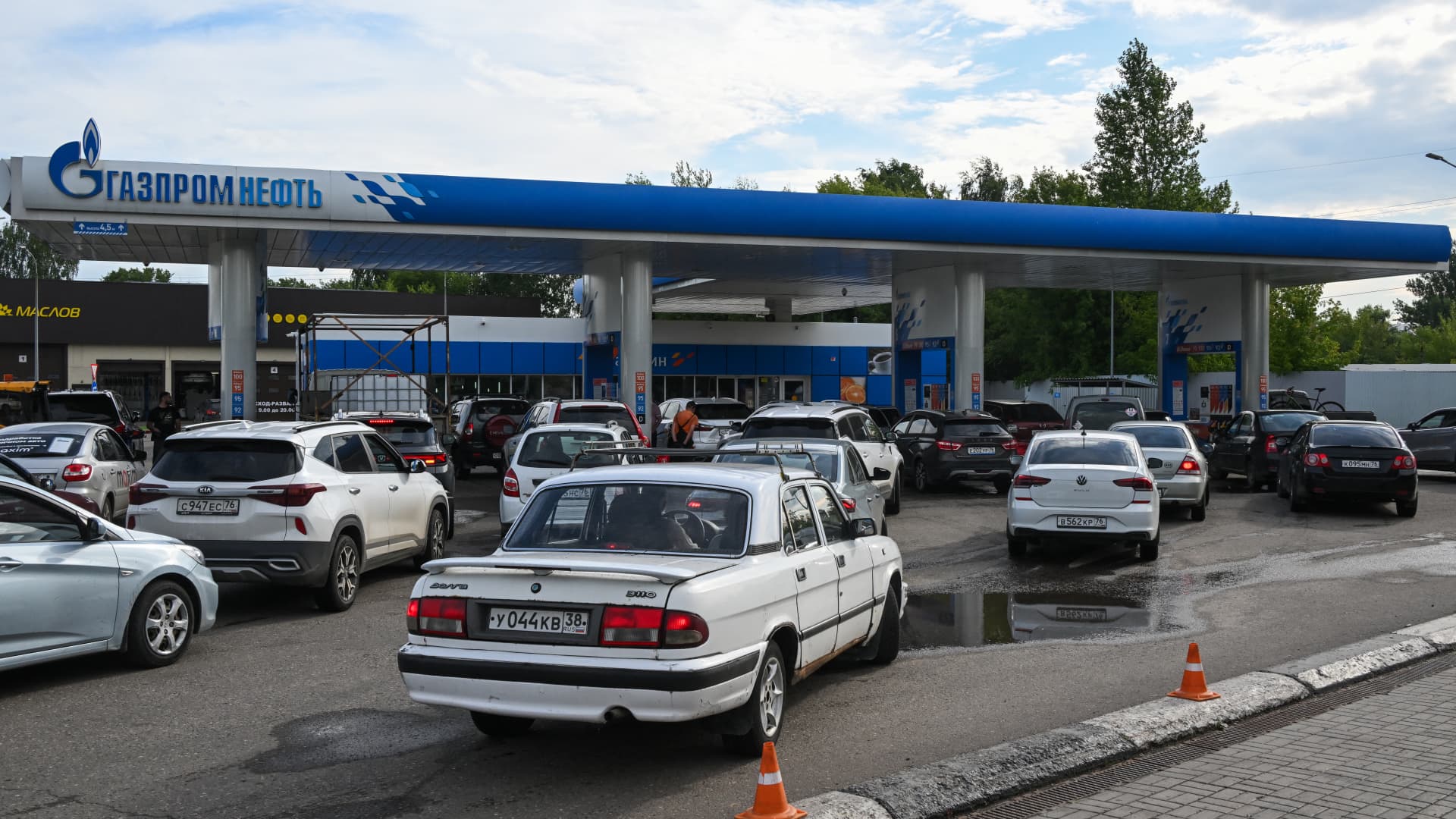
Ukraine strikes Yaroslavl refinery is the latest reported deep attack on Russian energy infrastructure, with President Volodymyr Zelenskyy saying Ukrainian forces also hit a refinery in Bashkortostan. For investors watching the war’s effect on energy assets, the immediate confirmed picture is narrower: Russian regional officials reported damage to storage tanks and a fire, not a refinery-wide shutdown or a measured loss of output.
Zelenskyy said Thursday that Ukraine carried out long-range drone strikes against Bashneft-Novoil in Bashkortostan and Slavneft-Yanos in the Yaroslavl region. He said the campaign was intended to reduce oil revenue that Russia uses to finance its war against Ukraine, according to CNBC.
The Slavneft-Yanos site is one of Russia’s largest refineries. It is located in Yaroslavl, about 170 miles, or 274 kilometers, northeast of Moscow and hundreds of miles from Ukraine’s border.
Yaroslavl Governor Mikhail Evraev said the region faced its largest drone attack to date. Air-defense and electronic-warfare systems destroyed 93 drones, he said. Falling debris struck refinery storage tanks, prompting emergency crews to fight a fire. Evraev reported no deaths and said four people were injured.
What damage was reported at the Yaroslavl refinery?
The reported damage was to oil-storage tanks after falling drone debris, according to Evraev. The available reporting does not establish whether crude-processing equipment was damaged, whether the refinery halted operations, or how much production, if any, was lost.
That distinction matters because a refinery converts crude oil into usable products such as gasoline, jet fuel and lubricants. A disruption to storage can affect logistics and create a fire risk, but it does not by itself show that processing capacity has been taken offline.
According to Slavneft-Yanos’ website, as cited by CNBC, the facility processes roughly 15 million tons of crude oil a year, employs more than 3,500 people and produces automotive fuel, aviation fuel and oils. CNBC also reported that the refinery had been targeted earlier in the conflict.
This was not the July attack on Omsk
The Yaroslavl operation should not be confused with Ukraine’s separate July strike on the Omsk refinery in western Siberia. In that earlier incident, Ukraine said it struck a facility nearly 2,500 kilometers from its territory. CNBC reported that Omsk is Russia’s largest refinery, with more than 21 million metric tons of annual refining capacity, and local Russian officials confirmed an attack there.
The latest claims fit Ukraine’s continuing effort to target Russian energy facilities at range. But the evidence currently available supports only the reported storage-tank damage and fire in Yaroslavl, leaving the longer-term operational and financial effects uncertain.
This story draws on original reporting from CNBC.


