Ukraine Wildberries attacks put pressure on Russia’s war economy
Ukraine’s drone strikes on Wildberries logistics sites target Russia’s supply chains as analysts warn Moscow’s economy is exposed.
By Jordan Bell · Startups & Deals Reporter
· 4 min read
Ukraine Wildberries attacks are becoming a new way for Kyiv to pressure Russia’s war economy, according to CNBC. For investors, the story is less about e-commerce and more about how strikes on logistics, possible state-bank support and sanctions risk can feed into broader market stress.
Wildberries, Russia’s largest online retailer, has been compared to Amazon because of its role in online shopping and delivery across the country. The company, founded in 2004, employs about 48,000 people, according to CNBC.
CNBC reported that Ukraine has moved from months of long-range drone strikes on Russian energy infrastructure toward attacks on logistics centers, including sites tied to Wildberries. The aim, as described by analysts, is to disrupt supply chains and raise costs for Russian businesses and banks while the war continues.
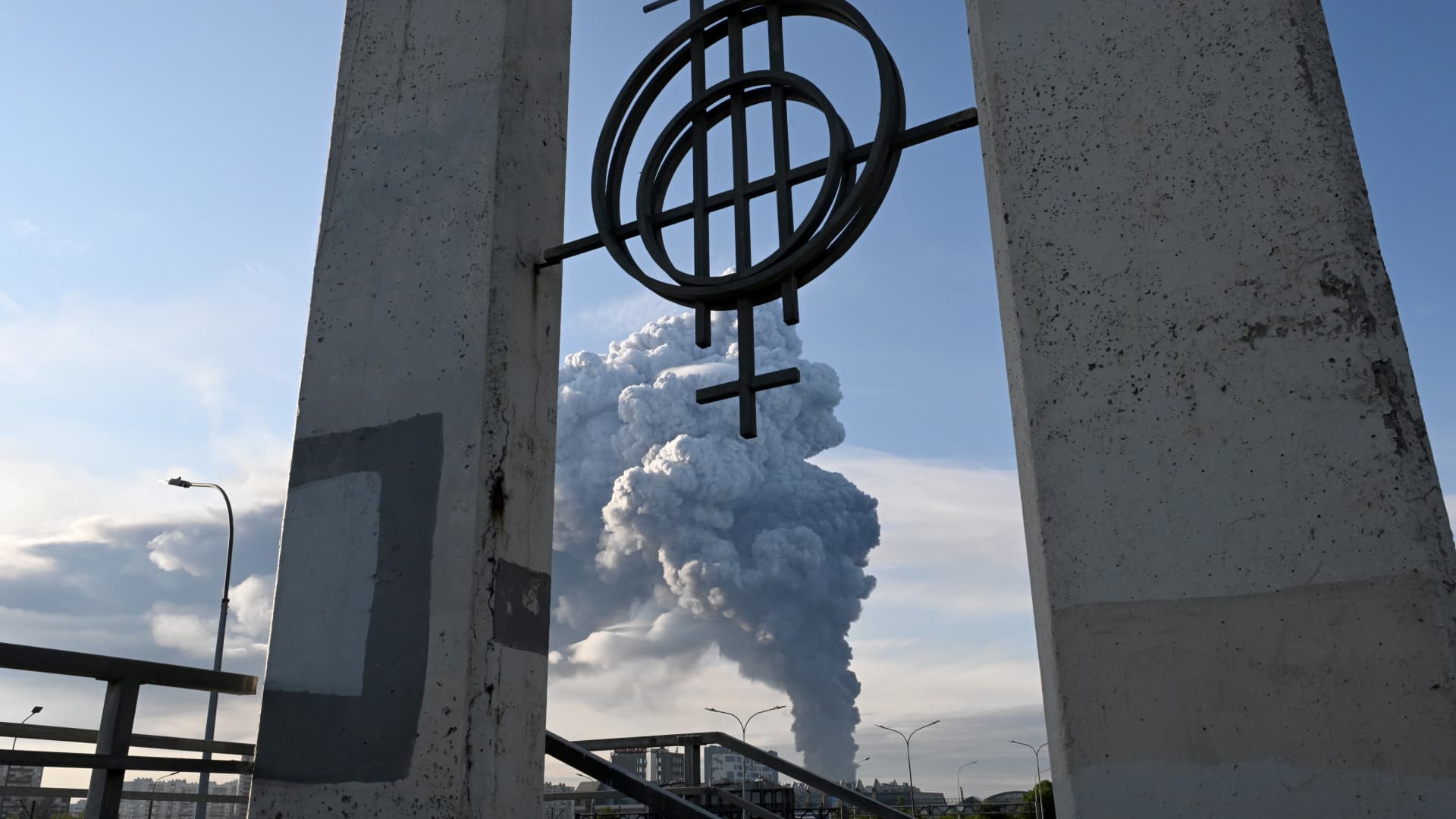
Wildberries said it evacuated a warehouse in Ryazan, in central Russia, on Wednesday morning after Ukrainian drones hit several industrial facilities, according to CNBC. A separate image distributed by Getty Images showed smoke over St. Petersburg after a Ukrainian drone strike targeting Wildberries logistics facilities on July 24.
Why is Ukraine attacking Wildberries?
Ukrainian President Volodymyr Zelenskyy has said warehouses hit by Ukrainian drones were connected to supplies for Russian forces, including drone parts, navigation equipment and other military components, CNBC reported. That claim frames the strikes as part of Ukraine’s effort to hit infrastructure it says supports Russia’s military campaign.
Natalya Kovaleva, a researcher in the Russia and Eurasia program at Chatham House, wrote that Russian businesses have already been hit by sanctions, higher taxes, internet outages, fuel shortages and inflation pressure. She said the Wildberries strikes represent a new stage in Kyiv’s attempt to increase economic pressure on Russian businesses and ordinary Russians.
Kovaleva said Ukraine’s hope is that higher war costs for companies could build domestic pressure on President Vladimir Putin and push him toward negotiations, or at least reduce attacks on Ukrainian cities. She also cautioned that the result is uncertain, saying Russian elites appear more dependent on, and more cautious of, the Kremlin than before.
How could Russia respond?
Reuters reported Tuesday, citing two unnamed sources, that the Russian government is considering support for Wildberries, with state-controlled lender VTB expected to have a major role. CNBC said Russia’s Foreign Ministry was not immediately available for comment.
For markets, state support would signal that attacks on civilian-facing logistics networks can become a financial issue for Russia’s banking system. A state-controlled bank is a lender ultimately influenced by the government, so any rescue can shift business damage closer to the public balance sheet.
What does this mean for sanctions and oil markets?
Analysts also pointed to U.S. sanctions as another pressure point. Elina Ribakova, a senior fellow at the Peterson Institute for International Economics, told CNBC’s “Europe Early Edition” that Russia’s economy has stalled and may grow zero percent this year at best. She said first-quarter economic contraction and weaker industrial output show that Russia is vulnerable.
Ribakova said proposed Russian energy sanctions could be extremely impactful for Putin’s war economy. Energy sanctions matter because oil and gas revenue can help fund government spending, including war costs.
The pressure campaign is unfolding alongside rising tension involving Iran. CNBC reported that Kyiv launched an attack Saturday on an Iranian commercial vessel in the Caspian Sea, and Tehran said one sailor was killed and several others were wounded. Ribakova said Iran’s ability to close the Strait of Hormuz could support oil prices, which would give Russia another source of cash to sustain its war in Ukraine.
Zelenskyy said Tuesday that he discussed Patriot interceptor production licenses and reviving diplomacy during what he called a good meeting with U.S. President Donald Trump at the Oval Office, according to CNBC. The meeting came as Congress renewed a push for tighter Russia sanctions, with legislation championed by the late Sen. Lindsey Graham clearing its first Senate hurdle.
This story draws on original reporting from CNBC.