U.S.-Iran peace talks get room as fighting pause holds
The U.S. and Iran have paused attacks while talks restart, but Hormuz shipping, oil prices and regional strikes keep markets on edge.
By Jordan Bell · Startups & Deals Reporter
· 3 min read
U.S.-Iran peace talks got a narrow opening Monday as a temporary pause in direct fighting appeared to hold, giving investors a reason to mark down near-term oil risk. CNBC reported that the U.S. military stopped two weeks of strikes on Friday while diplomats tried to create room for negotiations, and Iran has also avoided military operations against regional targets in recent days.
Iran has said it will respond in kind after a China-led effort to revive stalled diplomatic talks in Pakistan, according to CNBC. The pause matters for markets because the conflict has hit energy shipping routes, especially the Strait of Hormuz, a narrow waterway between Iran and Oman that carried about one-fifth of global oil supply before the war.
Oil prices fell around 6% early Monday, CNBC reported, while futures markets pointed to a stronger session for Wall Street. Futures are contracts tied to where investors expect an asset or index to trade later, so they often give an early read on market sentiment before regular trading begins.
Where do U.S.-Iran peace talks stand now?
The talks are active but fragile. CNBC reported that both sides have described the discussions as constructive, while analysts warned that a durable agreement faces difficult issues: Iran’s nuclear program, possible sanctions relief and Tehran’s backing of proxy groups in the Middle East.
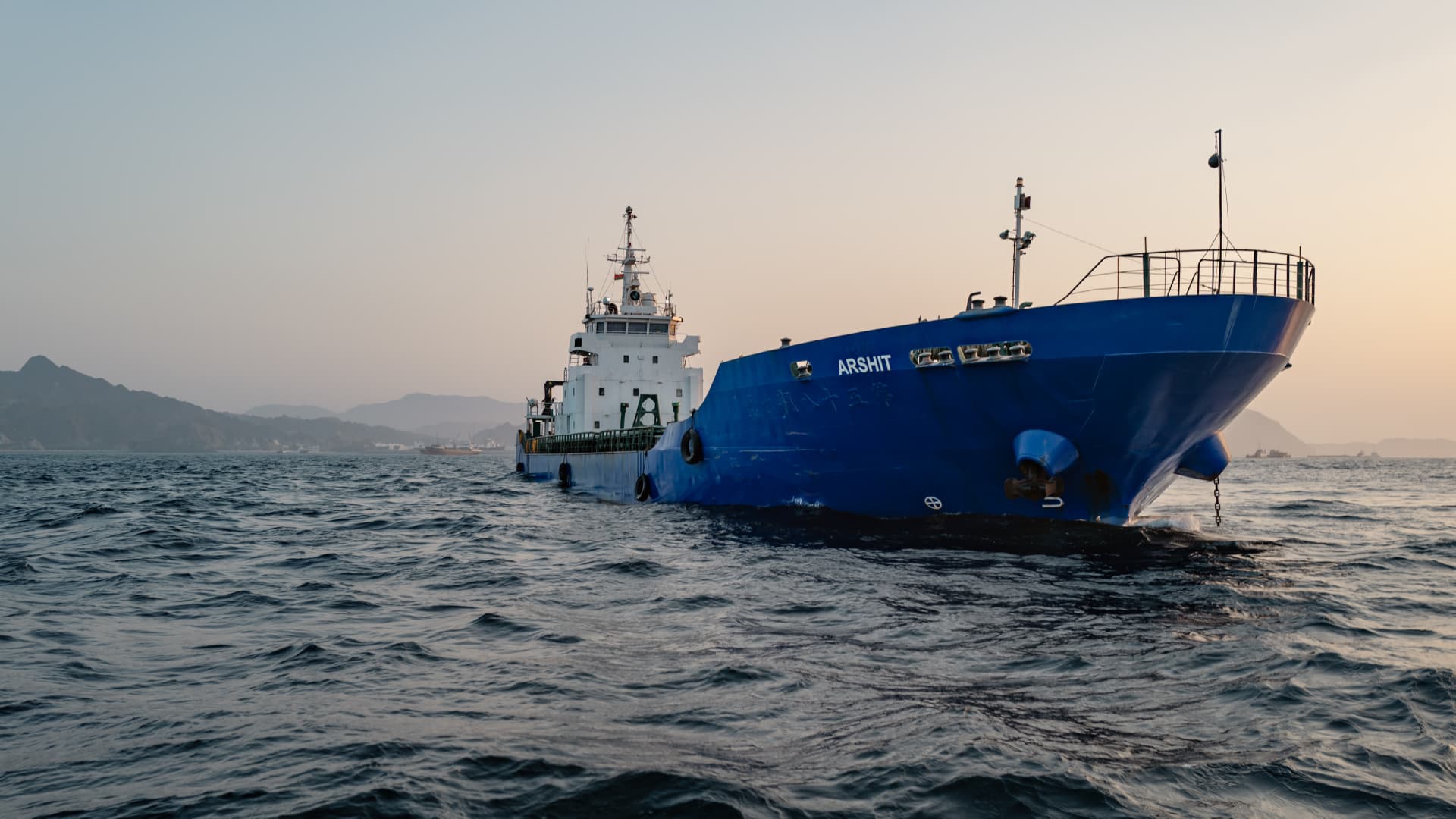
For markets, the shipping piece may be the most immediate concern. Negotiators are trying to address maritime security and the restoration of normal, toll-free, two-way traffic through the Strait of Hormuz, CNBC reported. The strait remains closed while the U.S. continues its blockade.
Oman has become a key participant because it sits across the strait from Iran. CNBC reported that an Omani delegation was in Tehran on Friday and Saturday to work on a provisional arrangement for managing ship traffic through the channel.
Why could the pause break down?
Other forces tied to the conflict kept fighting over the weekend, raising the risk that a wider clash could interrupt the diplomatic track. CNBC reported that Saudi Arabia struck Iran-backed Houthi targets in Yemen after the rebel group attacked Red Sea shipping in recent days.
Ukraine’s military also reportedly hit an Iranian commercial vessel in the Caspian Sea, killing one sailor and injuring another, according to CNBC. Kyiv said the ship was carrying military cargo for Russia’s invasion of Ukraine, while Tehran called the strike a “hostile and criminal act.”
Those side conflicts are a key reason analysts remain cautious. In a Monday note cited by CNBC, Deutsche Bank analysts wrote that “the main market risk remains the energy and shipping front,” pointing to severe disruption through Hormuz and an expanded conflict in the Red Sea.
The analysts added that disruption could affect both Gulf and Red Sea export routes at the same time. They described the pause by the main actors as welcome but fragile, especially while related battles continue.
For everyday investors, the takeaway is that lower oil prices reflect relief over the pause, while the main risk has not disappeared. Any move toward reopening Hormuz could ease pressure on energy markets, while renewed strikes or shipping attacks could quickly change the pricing of oil, transport costs and inflation expectations.
This story draws on original reporting from CNBC.