US strikes Iran again as Gulf tanker attacks lift oil prices
Brent and WTI rose after U.S. strikes and Iranian attacks raised new concerns about shipping through the Strait of Hormuz.
By Theo Nakamura · Staff Writer
· 3 min read
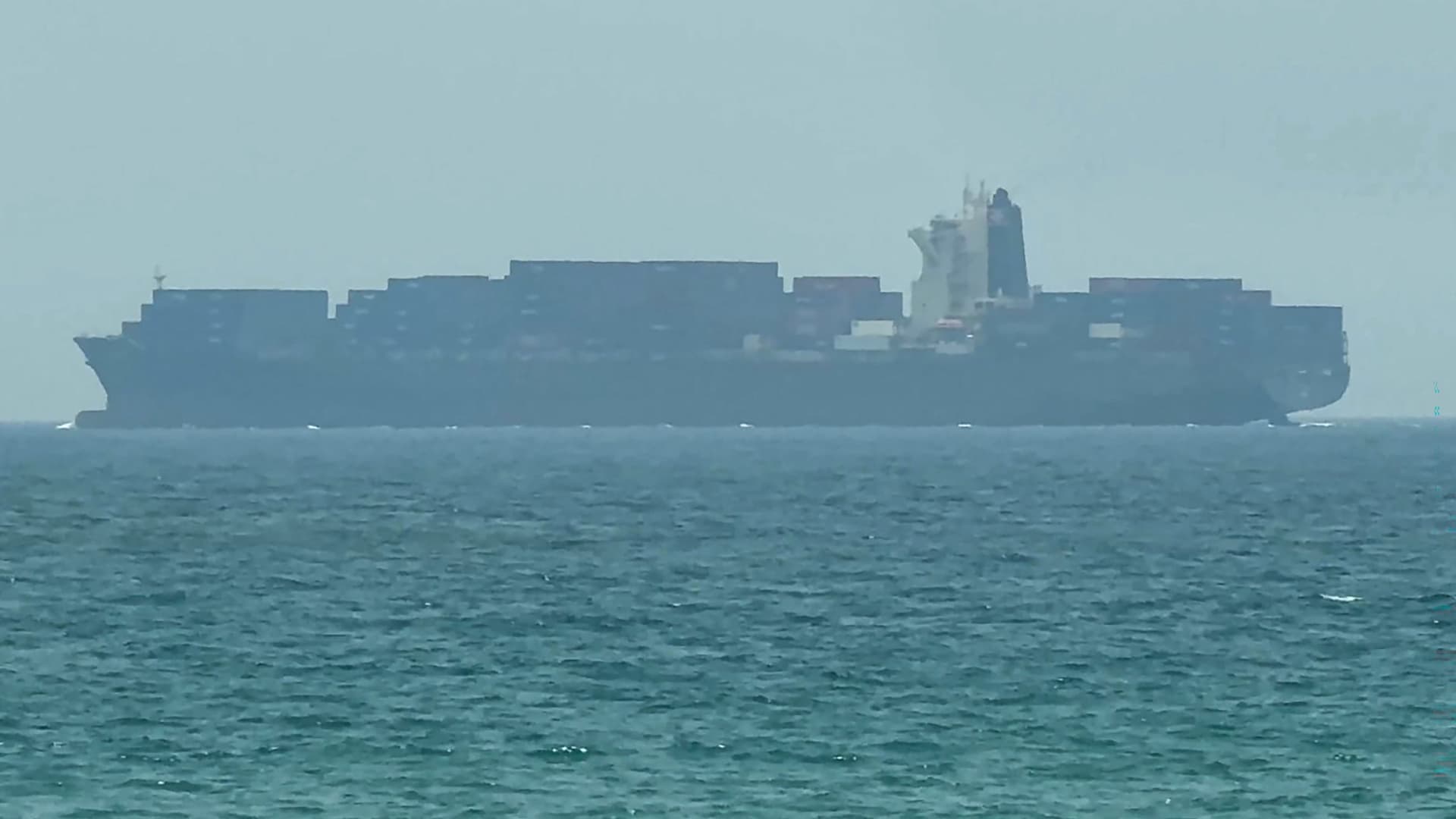
Oil prices climbed Tuesday after the U.S. struck Iran for a third straight night and Tehran retaliated against Gulf targets, raising fresh worries about one of the world’s most important energy chokepoints. For everyday investors, the immediate market issue is shipping risk: if tankers avoid or slow transit through the Strait of Hormuz, energy costs can move quickly.
U.S. Central Command said American strikes ordered by President Donald Trump were aimed at “imposing a heavy cost on Iranian forces” and reducing Tehran’s ability to attack commercial shipping in the Strait of Hormuz. The waterway is a narrow passage connecting the Persian Gulf with global markets and carried about one-fifth of the world’s oil and gas before the conflict, according to CNBC.
The latest U.S. action followed Trump’s order to reinstate a blockade on Iran in the strait at 4 p.m. ET Tuesday, CNBC reported. Trump also floated a 20% toll charge on ships moving through the waterway, according to CNBC.
Iran responded Tuesday morning with attacks aimed at Gulf countries, including the United Arab Emirates and Bahrain. The UAE Defense Ministry said two Iranian cruise missiles targeted the Emirati tankers Mombasa and AI Bahiyah in the southern lane of the strait, inside Omani territorial waters.
The UAE ministry said one Indian crew member on the Mombasa was killed, eight others were injured and both tankers suffered material damage after fires broke out on board. The ministry said the country would remain at its highest level of readiness and take necessary steps to respond to threats to its security and stability.
Bahrain, which hosts the U.S. Navy’s Fifth Fleet, also faced renewed attack, the Associated Press reported. Missile-alert sirens sounded there early Tuesday as Iran retaliated against the American strikes, according to AP.
Shipping data already show stress in the area. Kpler said confirmed crossings through Hormuz fell by about 52% week over week from July 10 to July 12, with traffic shifting toward more defensive routing patterns. Kpler said that included greater use of Iranian and dark routes, while ships avoided Omani corridors and routes authorized by the International Maritime Organization.
Lloyd’s List Intelligence said war risk premiums for the Strait of Hormuz are expected to rise sharply as markets react to the escalation. A war risk premium is the extra insurance cost charged when vessels enter a conflict zone or other high-risk area. Lloyd’s List Intelligence said shipowners and charterers have paused decisions on whether to transit the waterway.
The renewed fighting has undone a ceasefire tied to an interim U.S.-Iran agreement signed last month, CNBC reported. That deal was meant to reopen the strait and pause hostilities for 60 days of negotiations.
Energy markets reacted quickly. CNBC reported that Brent crude, the global oil benchmark, rose 2% to $85 a barrel Tuesday. U.S. West Texas Intermediate crude gained 2.3% to $80 as traders weighed renewed uncertainty over commercial shipping through Hormuz.
This story draws on original reporting from CNBC.


