Bessent says U.S.-Japan yen intervention aimed to steady Asia
Treasury Secretary Scott Bessent said Washington joined Japan’s yen purchases to curb disorderly moves and limit wider pressure on Asian currencies.
By Maya Okafor · Markets Writer
· 3 min read
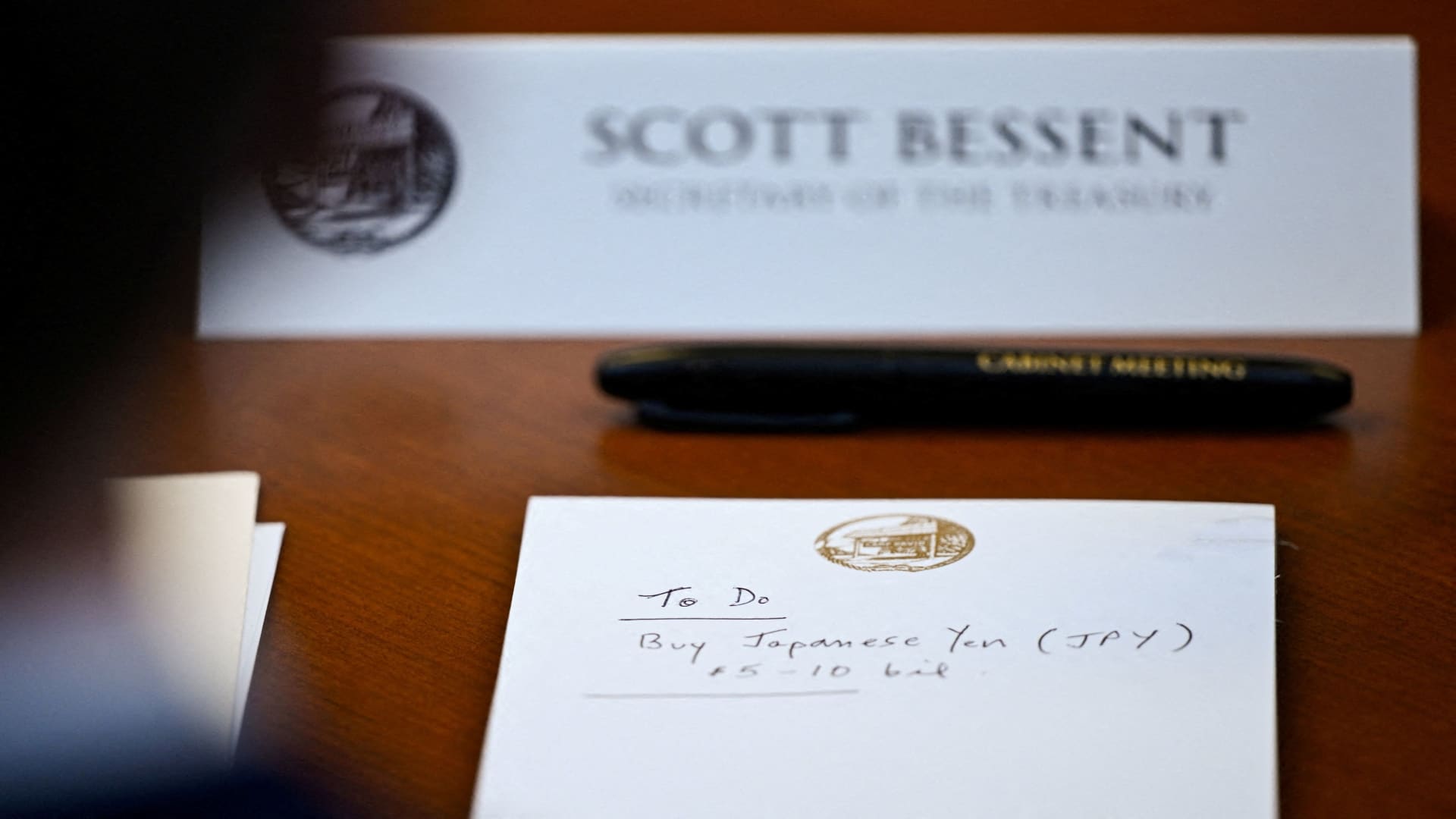
The U.S.-Japan yen intervention was intended to support more than Japan’s currency, according to Treasury Secretary Scott Bessent. He said Washington joined Tokyo’s coordinated yen purchases because further weakness could unsettle markets across Asia, a risk investors are watching after the yen’s slide to multi-decade lows.
Japan’s Finance Ministry and Bessent confirmed that the two countries jointly bought yen on Friday. The ministry said the action addressed excessive volatility and disorderly moves in the currency in recent months, Reuters reported.
Bessent told CNBC that a stable yen matters to the region’s trade and financial system. He warned that a sharply weaker yen could put pressure on other Asian currencies and contribute to competitive devaluations, while pointing to volatility in South Korea’s won and concerns over the yuan’s valuation.
Why did the U.S. join Japan’s yen intervention?
Bessent’s stated reason was regional stability. A weaker yen had become a wider concern because Japan is a large economy with extensive trade links and a central role in global savings markets, he said.
The yen had traded near 164 per dollar, a roughly 40-year low, before the intervention. It rose more than 1% to 155.20 per dollar after the joint operation was announced, then traded at 156.92 on Monday, according to Reuters. A lower dollar-yen exchange rate means the yen has strengthened against the dollar.
The scale of Washington’s participation remains unclear. Central-bank data indicated Japan may have spent as much as $36.58 billion buying yen during Friday’s operation, Reuters reported. Reuters also cited three people familiar with the matter who said the U.S. Treasury sold euros to buy yen, but the U.S. amount was not disclosed and a Treasury spokesperson did not provide details.
What can yen intervention accomplish?
Bessent said the operation could send a signal to currency markets, but he cautioned that it would not settle the yen’s direction on its own. Japan would need monetary and fiscal policies that support the currency, he said, while declining to say whether the Bank of Japan should raise interest rates.
That distinction is important for investors following the yen and Japanese assets. The IMF has said central banks can buy or sell foreign exchange to counter short-run exchange-rate swings and support orderly market conditions, but the results depend on the wider policy setting and market response.
Japanese Finance Minister Satsuki Katayama said authorities would not hesitate to take further coordinated action, a position Reuters said Bessent also echoed. Reuters described Friday’s move as the first coordinated intervention involving the two countries since the 2011 G7 action, which was designed to weaken the yen after Japan’s earthquake. CNBC separately described it as the first bilateral U.S.-Japan operation to buy yen since 1998, referring specifically to yen-buying rather than the broader 2011 coordination.
Outside analysts cited by CNBC said U.S. participation could also limit risks to Treasury markets if Japan can obtain dollar liquidity without selling U.S. government debt. That is analysts’ assessment, not the official rationale Bessent gave for the intervention.
This story draws on original reporting from CNBC.