U.S.-Japan yen intervention raises the risk for carry trades
Washington and Tokyo’s rare yen-buying operation may deter short-yen trades, but lasting support still depends on Japanese rate policy.
By Dev Ramirez · Crypto Correspondent
· 3 min read
The U.S.-Japan yen intervention has given currency traders a new risk to weigh: both governments have shown they are willing to act together when the yen slides sharply. For investors, the immediate move lifted the yen from a four-decade low, while the longer-term question is whether official support can change the forces that made borrowing in yen attractive in the first place.
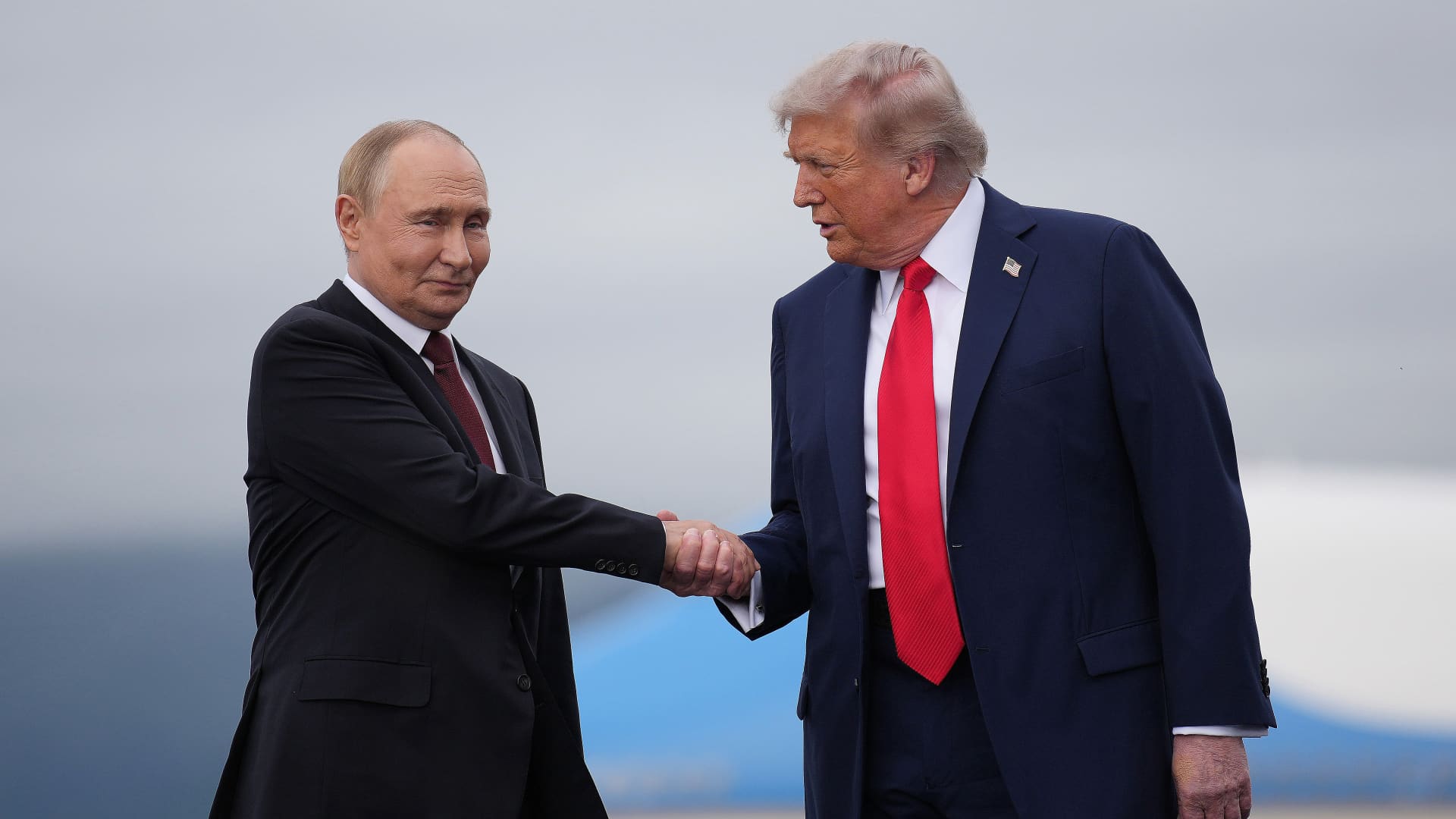
According to the Council on Foreign Relations, the United States sold euros from its international reserves and bought yen alongside Japan on July 31. Treasury Secretary Scott Bessent confirmed the joint effort on Aug. 3, saying it was intended to curb currency volatility and reduce risks in Asian markets. Reuters reported the yen had traded as low as 163.65 per dollar before rebounding to 159.09 on July 31; CNBC cited a move from 163.73 to 157.57 during the period.
The operation was the first U.S.-Japan joint yen-buying intervention since 1998, according to CNBC. It differs from the coordinated G7 action in 2011, which sought to restrain a rapidly strengthening yen after Japan’s earthquake and tsunami.
How could the U.S.-Japan yen intervention affect carry trades?
A carry trade involves borrowing in a currency with low interest rates and investing the proceeds in assets that offer higher yields elsewhere. The yen has long filled that funding role. The trade commonly leaves investors effectively short the yen, meaning they benefit if it weakens but can face losses if it rises.
Billy Leung, an investment strategist at Global X ETFs, told CNBC that the prospect of coordinated intervention could make investors more cautious about holding large short-yen positions. If market participants reduce those positions or look to currencies such as the euro for funding, the effect could reach beyond dollar-yen trading and alter positioning across major foreign-exchange markets.
Jesper Koll of Monex Group called the action a “weaponized” yen, his description of its deterrent value rather than an official policy label. His argument is that joint action places two sovereign balance sheets behind the same market signal, raising the perceived cost of betting against the currency. Masahiko Loo of State Street Investment similarly told CNBC that traders may need to account for governments’ likely reactions alongside interest rates and economic data.
Why does the Fed’s FIMA facility matter?
Analysts also see a U.S. Treasury-market rationale. Japan’s Finance Ministry said it planned to use the Federal Reserve’s FIMA repo facility for future interventions, CNBC reported. The facility lets foreign central banks obtain dollar liquidity against Treasury securities without selling those bonds outright.
Oxford Economics’ Louise Loo told CNBC that the emphasis on FIMA suggested Washington and Tokyo wanted to limit the risk of forced Treasury sales. That matters because large sales by Japan, described by CNBC as the largest foreign holder of U.S. government debt, could add pressure to U.S. funding markets.
The reported use of euros rather than dollars to buy yen has drawn disagreement. Robin Brooks of the Brookings Institution told CNBC that the choice could confuse markets and weaken the benefit of U.S. participation. Other analysts see the joint action itself as the stronger message.
That signal has limits. Brad Setser of the Council on Foreign Relations said higher Bank of Japan policy rates are the main requirement for sustained yen support. The Wall Street Journal likewise reported that analysts doubted the rebound would last without Japanese monetary tightening, given the continuing gap between U.S. and Japanese short-term rates. Intervention can alter near-term trading incentives; it cannot by itself settle the underlying interest-rate and policy pressures on the yen.
This story draws on original reporting from CNBC.